
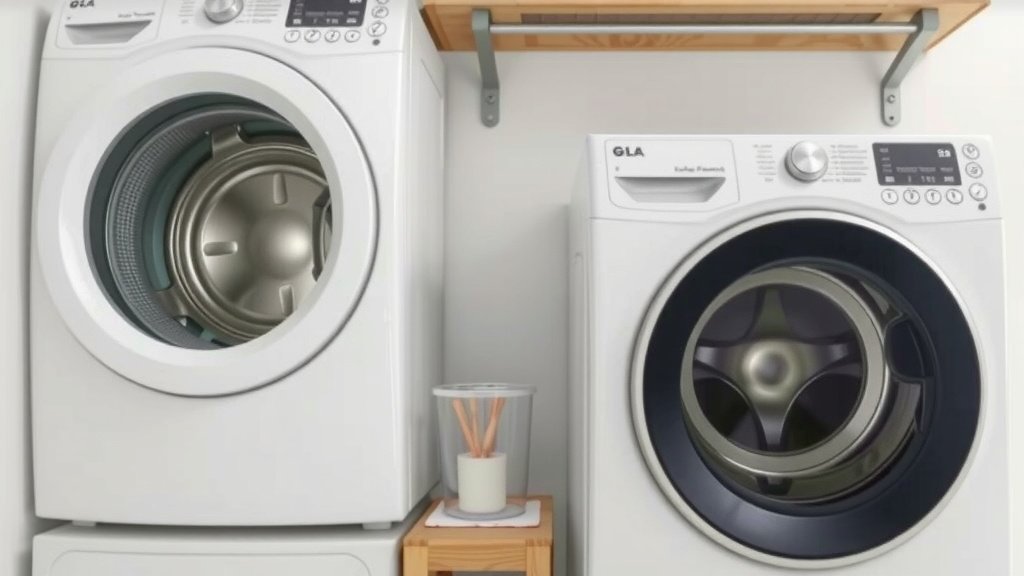
What Is a Combination Washer Dryer and How Does It Work
A combination washer and dryer is a single appliance that can both wash and dry your clothes. You load dirty laundry into it, and it handles the entire cleaning cycle. This space-saving solution is perfect for smaller homes or apartments.
These units are designed to be incredibly convenient for your laundry routine. They eliminate the need for two separate machines, saving you floor space and simplifying the washing and drying process. Many models offer smart features, too.
- It’s a two-in-one laundry machine.
- Washes and dries clothes in one drum.
- Great for saving space.
- Simplifies your laundry day.
- Ideal for small living areas.
Let’s walk through exactly how these all-in-one units work and if one might be the perfect fit for your home. Our guide to the best mid-size washer and dryer can help you find the right fit.
How a Combination Washer and Dryer Works
A combination washer and dryer is essentially a two-in-one laundry appliance. You load your clothes into a single drum. This drum then washes your garments and, after the wash cycle, it transitions to drying them. It’s a pretty neat trick of engineering that saves you a lot of hassle and space.
The Washing Process
Think of the washing part like any standard washing machine. You’ll add your detergent and fabric softener, just like you normally would. Then, you select your wash cycle based on the type of fabric and how dirty your clothes are. The machine fills with water, tumbles your clothes with the detergent, and drains the dirty water. Pretty standard stuff, right?
The Drying Transition
This is where things get interesting and a bit different from a traditional setup. After the wash cycle is complete, the machine will typically drain all the water out of the drum. Then, it begins the drying process. Most combination units use a ventless drying system. This means they heat the air and circulate it through the drum to evaporate the moisture from your clothes. Some models might have a small water reservoir that collects the condensed water from the drying process, which you’ll need to empty occasionally.
Ventless vs. Vented Drying
We found that most combination washers and dryers are ventless. This is a big reason why they are so popular for smaller living spaces. They don’t require external venting, which can be a challenge in apartments or older homes. Vented dryers, on the other hand, blow hot, moist air outside your home through a duct. While vented dryers can sometimes dry clothes a bit faster, ventless models are much more flexible in terms of placement.
The All-in-One Cycle
The real magic is the ability to run a complete wash and dry cycle without you lifting a finger. You can load your dirty laundry, select your desired settings, and walk away. The machine will complete the wash, and then immediately start the drying cycle. This hands-off approach is a huge time-saver and convenience. You’ll come back to clean, dry clothes ready to be put away.
Advantages of Having an All-in-One Laundry Unit
Why might you consider a combination washer and dryer for your home? Well, the benefits are pretty clear, especially if you’re a bit tight on space or just want to simplify your life.
Saving Precious Floor Space
This is the most obvious win. Instead of needing space for both a full-sized washer and a separate dryer, you only need room for one appliance. This can free up a significant amount of square footage in your laundry room, bathroom, closet, or wherever you decide to place it. Many experts agree that for smaller homes, this is a game-changing solution for essential appliance needs.
Convenience and Simplicity
Imagine laundry day without moving clothes from one machine to another. You just load, set, and forget. It’s incredibly convenient. This streamlined process can make laundry feel less like a chore and more like a simple task. We found that users often report feeling less overwhelmed by laundry when using these units.
Installation Flexibility
Because most models are ventless, they offer incredible flexibility in where you can install them. You don’t need to worry about cutting holes in walls or adhering to specific venting codes. This makes them ideal for apartment dwellers, RV owners, or anyone in a home where traditional dryer vents aren’t feasible. As long as you have access to a water hookup and a power outlet, you’re often good to go.
Water and Energy Efficiency
Many newer combination washer and dryer models are designed with energy efficiency in mind. Since they are typically smaller than separate units, they often use less water and electricity per load. Some models even have advanced sensors that detect the load size and adjust water levels accordingly. This can lead to lower utility bills over time, which is always a nice bonus (Energy Star).
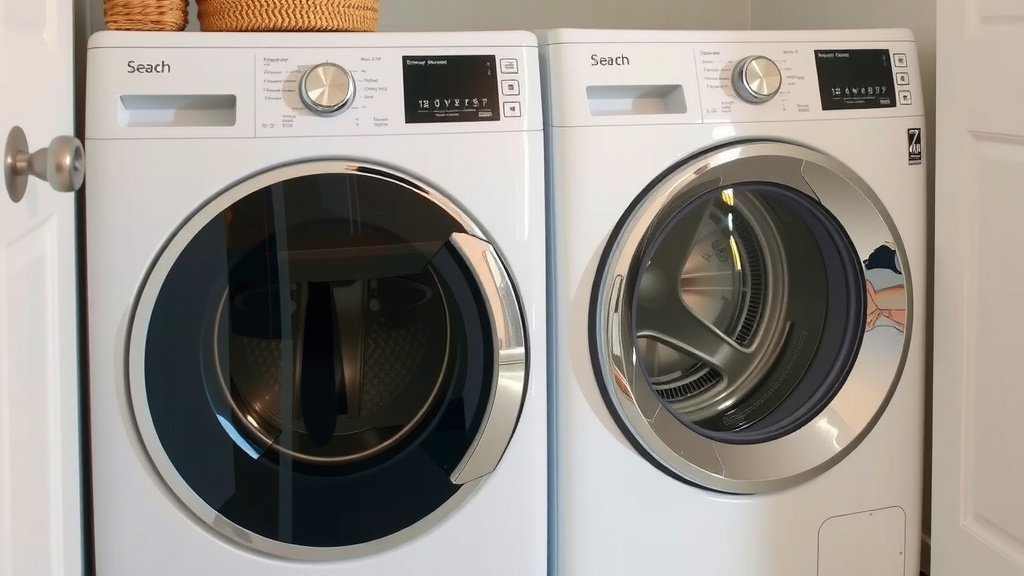
What to Consider Before Buying
While combination washer and dryers are fantastic, they aren’t perfect for everyone. It’s wise to consider a few things before you make the switch.
Capacity Limitations
This is a big one. Since the same drum washes and dries, the capacity for drying is often smaller than the capacity for washing. You might wash a full load, but then you’ll need to remove some items to dry them effectively. This means you might have to do multiple drying loads for one wash load, which can extend your laundry time. We found that many users adapt by doing smaller wash loads to maximize drying efficiency.
Drying Time
Ventless drying, especially in a combination unit, can take longer than a traditional vented dryer. Because the machine is recirculating air and condensing moisture, the process is a bit slower. A full wash and dry cycle can sometimes take 3-4 hours or even longer, depending on the load size and fabric type. If you have a large family or do a lot of laundry, this longer cycle time might be a drawback.
No Simultaneous Operation
You can’t wash one load while drying another. It’s an all-or-nothing operation. This means your laundry can take longer to complete overall if you have a lot of clothes to wash. You need to plan your laundry schedule accordingly. This is a key difference from having two separate machines where you can run them concurrently.
Maintenance and Cleaning
Like any appliance, these units require some regular maintenance. You’ll need to clean the lint filter (even in ventless models, lint can build up) and the rubber door seal. Some models also have a condensation filter or pump filter that needs occasional cleaning. Following the manufacturer’s guidelines is always recommended to keep your machine running smoothly (Consumer Reports).
Cost Considerations
Generally, combination washer and dryers can be more expensive upfront than a basic standalone washing machine. However, when you compare the cost of a high-efficiency washer and a separate high-efficiency dryer, the combination unit can sometimes be comparable or even a better deal. Also, factor in potential savings on energy and water bills.
Quick Checklist for Your Decision
Before you commit, ask yourself these quick questions:
- Do you have limited laundry space?
- Is installing a traditional dryer vent difficult or impossible?
- Are you okay with longer drying times?
- Do you typically do smaller loads of laundry?
- Do you value convenience over speed?
- Is simplifying your laundry routine a priority?
Conclusion
A combination washer and dryer is a smart solution for simplifying laundry and saving space. You get the convenience of washing and drying in a single unit, ideal for apartments or smaller homes. While drying times might be longer and capacities smaller, the ease of use and installation flexibility are huge benefits. We found that these all-in-one machines can significantly streamline your household chores. If you’re looking to cut down on clutter and make laundry day less of a hassle, consider if a combination unit fits your lifestyle and space.
Frequently Asked Questions
How long does a wash and dry cycle usually take in a combo unit?
A complete wash and dry cycle in a combination washer and dryer can typically take anywhere from 3 to 4 hours, sometimes longer. This is because ventless drying, which most combo units use, is a slower process than traditional vented drying. The exact time will depend on the load size, fabric type, and the specific model you own.
Can I wash and dry clothes at the same time with a combination unit?
No, you cannot wash one load while drying another with a combination washer and dryer. These are all-in-one machines, meaning the single drum must complete the wash cycle before it can begin the drying cycle. This is a key difference compared to having two separate laundry appliances.
Do combination washer and dryers require special installation?
Generally, installation is simpler than you might think, especially since most are ventless. You’ll need access to a standard water hookup and a power outlet, just like a regular washing machine. You won’t need to worry about installing an external dryer vent, which makes them very flexible for placement in apartments or smaller living spaces.
Are combination washer and dryers energy efficient?
Many newer combination washer and dryer models are designed with energy efficiency in mind. Since they are often smaller than separate units, they can use less water and electricity per load. Some even feature sensors to adjust water usage based on load size, which can lead to savings on your utility bills.
What is the main disadvantage of a combination washer and dryer?
The most significant disadvantage is often the drying capacity, which is typically smaller than the washing capacity. You may need to remove some items from a full wash load to dry the rest effectively. This, along with longer drying times, means your overall laundry process might take longer, especially for larger households.

![7 Best Compact Washer For Apartment [In 2026]](https://homeunderstandable.com/wp-content/uploads/2026/08/7-best-compact-washer-for-apartment-in-2026-featured-768x432.jpg)
![7 Best Impeller Top Load Washer [In 2026]](https://homeunderstandable.com/wp-content/uploads/2026/08/7-best-impeller-top-load-washer-in-2026-featured-768x432.jpg)