Choosing the Right Washing Machine for Your Home
Selecting the right washing machine for your home involves considering capacity, type, and energy efficiency. Your ideal machine will depend on your household size, laundry habits, and budget. Many experts recommend prioritizing a model that fits your space and meets your typical load needs.
Choosing a washing machine can feel overwhelming with so many options. We found that understanding the difference between top-load and front-load machines is a great starting point. Energy Star ratings are also important for saving money and reducing your environmental impact.
- Consider your laundry volume.
- Decide between top-load and front-load.
- Look for energy efficiency labels.
- Measure your available space carefully.
- Factor in your budget and desired features.
Let’s walk through the key factors to help you make the best choice for your family’s laundry needs.
Choosing the Right Washing Machine for Your Home
Finding the perfect washing machine is like finding a reliable friend for your laundry. It needs to handle your dirty socks and fancy tablecloths. We’ve researched what makes a washing machine a good fit for your household. Let’s break down the key decisions.
Understanding Washing Machine Types
The first big choice is between a top-load and a front-load washing machine. Both have pros and cons that affect your laundry day. Think about how you prefer to load and unload your clothes.
Top-Load Washing Machines
Top-load machines are often the familiar choice for many households. You simply lift the lid and drop your clothes in. They are generally easier to load and unload. You can also add items mid-cycle without much fuss.
Traditional Agitator Models
These have a central post, called an agitator, that twists and turns. It helps move clothes through the water. This method is tough on stains but can be harder on fabrics. We found they tend to use more water than other types (Consumer Reports).
High-Efficiency (HE) Top-Loaders
HE top-loaders don’t have that central agitator. Instead, they use a low-profile impeller at the bottom. This creates a washing action that’s gentler on clothes. They use less water and energy compared to agitator models. They also tend to fit more laundry.
Front-Load Washing Machines
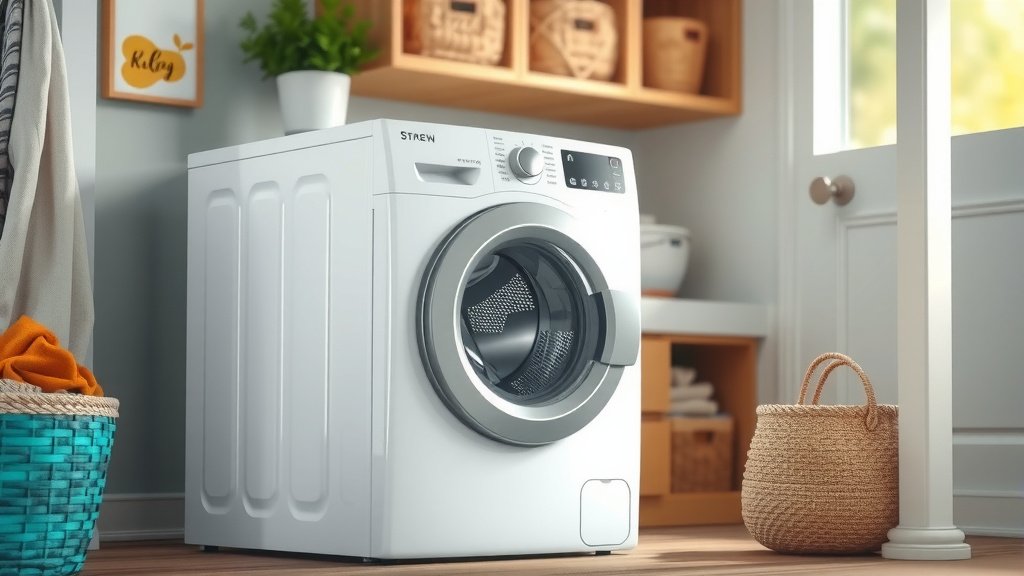
Front-load washers have a door on the front, like a dryer. You load clothes into the drum horizontally. They tumble clothes through a smaller amount of water. This tumbling action is very effective at cleaning and is gentler on your clothes.
Many experts point out that front-loaders generally offer superior cleaning performance. They also spin clothes at higher speeds. This extracts more water, leading to shorter drying times. This can save you money on your energy bill for drying.
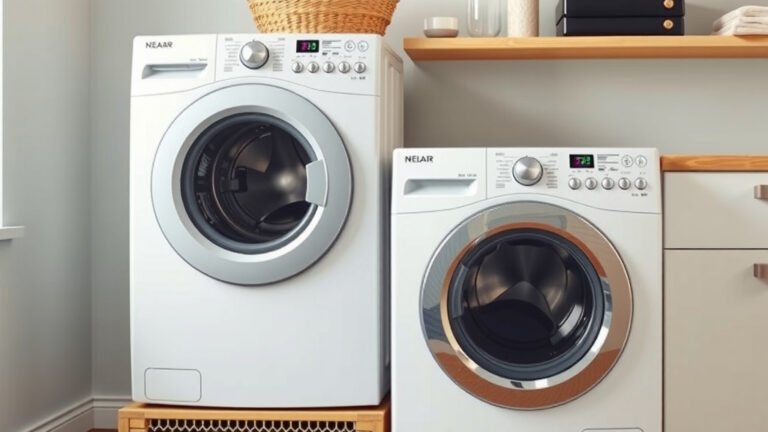
However, they can be more expensive upfront. Some people also find bending down to load and unload a bit challenging. You might consider buying a pedestal to raise the machine. This is a helpful tip for easier access.
Capacity: How Much Laundry Do You Do?
Washing machine capacity is measured in cubic feet. This tells you how much laundry it can hold. It’s a really important factor. You don’t want a machine that’s too small or too large for your needs.
Small Households (1-2 People)
If it’s just you or you and one other person, a smaller capacity machine might be perfect. Look for models around 2.0 to 3.5 cubic feet. This can handle about 6-8 pounds of laundry per load. It’s efficient for fewer washes.
Medium Households (3-4 People)
For a family of three or four, a medium capacity machine is a good bet. Aim for 3.5 to 4.5 cubic feet. This can typically hold around 10-12 pounds of laundry. It’s great for handling week’s worth of clothes.
Large Households (5+ People)
If you have a big family or just do a lot of laundry, you’ll want a large capacity washer. Look for models 4.5 cubic feet and up. These can easily manage 12-16 pounds of laundry or more. Some can even fit bulky items like comforters.
Research suggests that choosing the right capacity can lead to fewer wash cycles per week. This saves both time and energy.
Energy Efficiency: Saving Money and the Planet
Energy efficiency is more than just a buzzword; it’s about saving money. It also means you’re doing your part for the environment. Look for the ENERGY STAR label. This certification means the appliance meets strict energy efficiency guidelines set by the EPA.
Understanding Energy Star Ratings
ENERGY STAR certified washing machines use about 33% less energy than standard models. They also use roughly 30% less water. These savings add up over the life of the appliance. Many government resources highlight the long-term financial benefits (ENERGY STAR).
Water Usage Matters Too
Beyond energy, consider how much water a machine uses. HE models, both top and front-load, are designed to be water-wise. They use significantly less water per load than older, standard machines.
Smart Features and Extra Perks
Washing machines today come with all sorts of bells and whistles. Think about which ones you’ll actually use. Some features can make laundry day easier, while others might just add to the cost.
Steam Cycles
Steam cycles can help sanitize clothes and remove allergens. They can also be great for refreshing items that aren’t heavily soiled. Many find this feature quite useful for certain fabrics.
Smart Connectivity
Some machines connect to your home Wi-Fi. You can then control them with a smartphone app. You can start or stop a cycle, get notifications, or even download new wash programs. Is this a must-have for you? We found that convenience is key for many buyers.
Quiet Operation
If your laundry room is near a living area, you might want a quieter machine. Many manufacturers offer models designed for reduced noise and vibration. Look for models that mention quiet technology.
Considering Your Space and Budget
Before you fall in love with a particular model, measure your laundry space! You need to account for the machine’s dimensions, plus space for hoses and door clearance. Make sure it can fit through doorways and hallways too.
Measure Twice, Buy Once
This old saying is especially true for appliances. Measure the width, depth, and height of the space. Also, check where water hookups and the drain pipe are located. Ensure there’s enough room for the door to open fully on front-loaders. You don’t want any surprises!
What’s Your Budget?
Washing machines range from a few hundred dollars to over $1,500. HE top-loaders often fall in the middle price range. Front-loaders tend to be at the higher end. Remember to factor in the long-term savings from energy and water efficiency.
Quick Checklist for Your Washing Machine Purchase
- Confirm the capacity fits your household size.
- Decide on top-load vs. front-load based on your needs.
- Look for the ENERGY STAR label for efficiency.
- Measure your laundry space carefully, including door swing.
- Consider desired special features like steam or smart tech.
- Set a realistic budget, factoring in long-term savings.
Conclusion
You’re now equipped to choose the perfect washing machine for your home. We’ve seen how understanding types, capacity, and energy efficiency makes a big difference. Remember to measure your space carefully and consider features you’ll actually use. You want a machine that makes laundry day easier, not harder. Your next step is to take these points to the store or browse online. Compare models that fit your needs and budget. You’ll find a washer that works great for years to come.
Frequently Asked Questions
What is the biggest difference between top-load and front-load washers?
The main difference is how you load them and how they wash. Top-loaders have a lid on top and often use an agitator or impeller. Front-loaders have a door on the front and tumble clothes through water. Experts suggest front-loaders generally clean better and are gentler on clothes.
How do I know what washing machine capacity I need?
Capacity depends on your household size and laundry habits. For 1-2 people, 2.0-3.5 cubic feet is usually enough. Families of 3-4 might prefer 3.5-4.5 cubic feet. Larger families or those who do a lot of bulky items should look for 4.5 cubic feet or more. This ensures fewer wash cycles.
Are ENERGY STAR certified washing machines worth the extra cost?
Yes, they generally are. ENERGY STAR models use significantly less water and energy than standard machines. While they might have a higher upfront price, the long-term savings on your utility bills can make them more cost-effective over time.
Can I fit a washing machine if I have a small laundry space?
It’s definitely possible, but careful measuring is key! Always measure the width, depth, and height of your space. Also, consider clearance for the door swing (especially on front-loaders) and any required ventilation. Some compact models are designed for smaller areas.
What are “smart” features on washing machines, and do I need them?
Smart features allow you to control your washer via a smartphone app. You might be able to start or stop cycles remotely or get cycle notifications. Whether you need them depends on your lifestyle. Many find them convenient, but they can increase the machine’s cost.
![7 Best Small Washers [In 2026]](https://homeunderstandable.com/wp-content/uploads/2026/08/7-best-small-washers-in-2026-featured-768x432.jpg)
![7 Best Small Washer Dryer Combo For Apartment [In 2026]](https://homeunderstandable.com/wp-content/uploads/2026/08/7-best-small-washer-dryer-combo-for-apartment-in-2026-featured-768x432.jpg)