Choosing the Right Washing Machine: Your Guide
Choosing the right washing machine depends on your space, budget, and laundry habits. For most households, a high-efficiency (HE) top-loader or a front-loader offers the best combination of performance and water savings. If you’re short on space, a compact or stackable model might be your best bet.
We found that understanding the different types available is key. You’ll want to consider factors like capacity, energy usage, and special features like steam cycles or smart connectivity. Don’t forget to think about your current laundry load size and how often you do wash.
- Top-Loaders: Easiest to use, generally less expensive.
- Front-Loaders: More energy and water efficient, gentler on clothes.
- Capacity: Match the size to your household needs.
- HE Models: Use less water and detergent for better results.
Let’s break down what type of washing machine is perfect for your home.
Finding Your Perfect Washing Machine Match
Let’s dive into the different kinds of washing machines. We’ll help you figure out which one fits your life best. Think of it like choosing a new appliance best friend for your laundry room.
Top-Load Washers: The Classic Choice
These are the machines most of us grew up with. They load from the top, making them super easy to use. You can toss in clothes without bending over too much. This is a big win for your back!
Traditional Agitator Models
These washers have a central post, called an agitator. It twists and turns your clothes to get them clean. This method is powerful. It can handle tough stains and large loads effectively. However, it can be a bit rough on delicate fabrics. Many experts point to this as a good first step for heavy-duty cleaning (Consumer Reports).
High-Efficiency (HE) Top-Loaders
These are a newer, smarter version of the classic top-loader. They don’t have a central agitator. Instead, they use an impeller at the bottom. This spins your clothes around. We found these use less water and energy than older models. They are also much gentler on your clothes. HE models can often wash larger loads too. This is great for families or if you do a lot of laundry.
Benefits:
- Easy to load and unload.
- Generally less expensive upfront.
- Faster wash cycles on average.
- Can add forgotten items mid-cycle easily.
Front-Load Washers: The Efficiency Experts
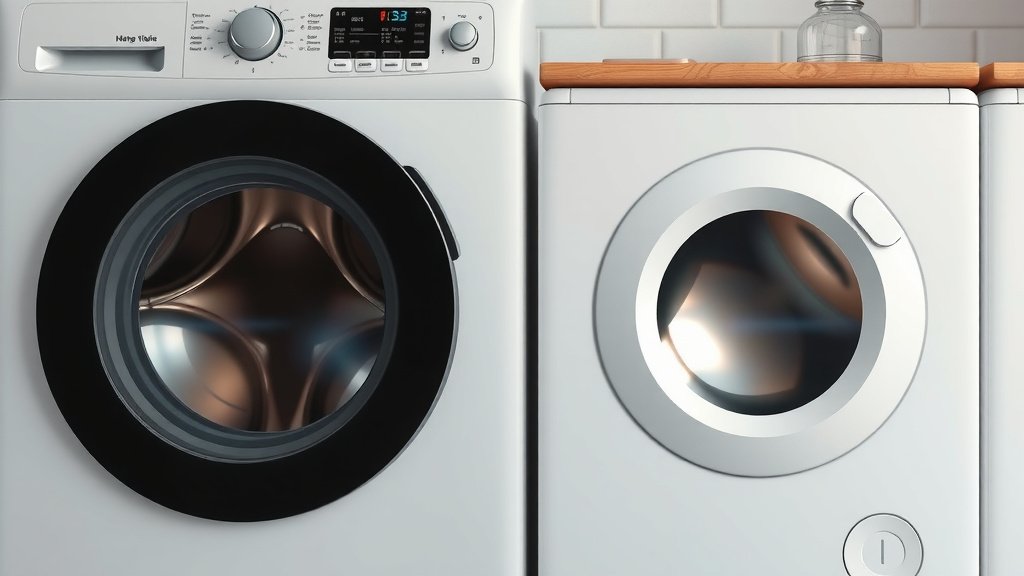
Front-loaders are known for their superior cleaning performance and efficiency. They have a door on the front that opens like a dryer. Clothes tumble inside, using gravity and water to get clean. We found that this tumbling action is very effective. It’s also much gentler on fabrics than agitator models.
Why Choose a Front-Loader?
These machines are champions of water and energy savings. They use significantly less water per load. This can lead to lower utility bills over time. Many studies show they use about 50% less water than traditional top-loaders (Energy Star). They also tend to spin clothes faster. This extracts more water. Your clothes will come out drier. This means less time in the dryer. It saves energy and wear on your clothes.
Performance Perks:
- Excellent cleaning and stain removal.
- Gentle on clothes, extending their lifespan.
- High spin speeds mean less drying time.
- Energy and water efficient, saving you money.
A potential downside is that some people find the bending to load and unload uncomfortable. However, many newer models offer pedestals to raise the machine. This makes loading and unloading much easier.
Capacity Matters: How Much Laundry Do You Have?
Washing machine capacity is measured in cubic feet. It tells you how large of a load the machine can handle. Choosing the right capacity is key to efficiency and convenience. If you have a large family, you’ll want a larger capacity machine. This lets you wash more clothes at once. You’ll do fewer loads, saving time and energy. Our guide to choosing the best washing machine explains washing machine capacity in detail.
Matching Capacity to Your Household
Small loads (under 3.5 cu. ft.): Good for singles or couples who do laundry often. You might not need this unless space is very limited.
Medium loads (3.5 – 4.5 cu. ft.): Ideal for families of 2-3 people. This is a common size that works well for many households.
Large loads (over 4.5 cu. ft.): Best for families of 4 or more. Or if you wash bulky items like bedding frequently.
We found that buying a machine that’s too small means you’ll be doing extra loads. A machine that’s too big might not clean small loads as effectively. It can also waste water and energy.
| Household Size | Recommended Capacity (Cubic Feet) | Typical Load Size |
|---|---|---|
| 1-2 people | 3.0 – 4.0 | Small to medium |
| 3-4 people | 4.0 – 5.0 | Medium to large |
| 5+ people | 5.0+ | Large to extra-large |
Special Features to Consider
Beyond the basic type, many machines offer features that can enhance your laundry experience. We looked at some of the most popular ones.
Steam Cycles
Some washers have steam settings. These can help sanitize clothes, remove allergens, and reduce wrinkles. It’s a nice perk for those with allergies or who want their clothes to look their best. Many experts suggest steam can help reduce the need for harsh chemicals (Cleveland Clinic).
Smart Technology
Yes, your washing machine can be “smart” now! These models connect to your Wi-Fi. You can control them from your smartphone. You might get notifications when a cycle is done. You can even download new cycles. It’s a convenience factor, especially if you’re often away from home.
Sanitize Settings
These cycles use higher temperatures to kill bacteria and germs. They are great for baby clothes or if someone in your household is sick. The CDC recommends using hot water and a proper wash cycle for sanitization (CDC).
Space-Saving Solutions
Not everyone has a sprawling laundry room. If space is tight, you have options!
Compact Washers
These are smaller units, often around 24 inches wide. They are perfect for apartments, small homes, or even RVs. They can be either top-loading or front-loading. Our guide to the best apartment stackable washer and dryer features these smaller units.
Stackable Washer/Dryer Units
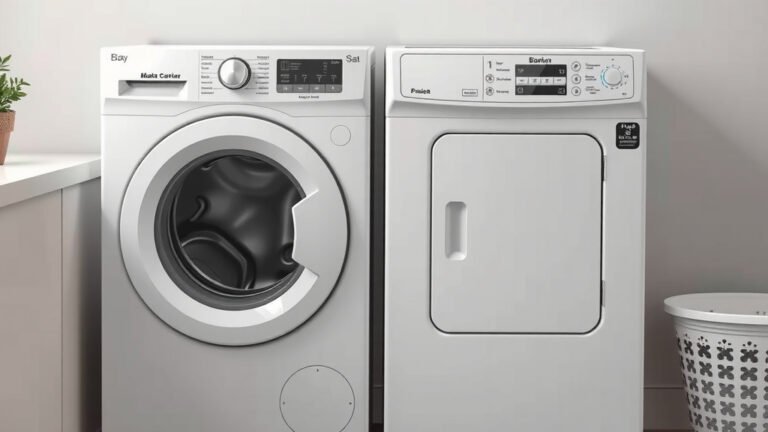
These are typically front-load machines designed to be stacked. The washer goes on the bottom, and the dryer goes on top. This uses vertical space efficiently. It’s a fantastic solution for narrow laundry closets.
Your Quick Checklist for Buying
Before you make your final decision, run through this quick checklist:
- Measure your laundry space carefully.
- Consider your typical load size and frequency.
- Decide if a top-loader or front-loader is best.
- Set a realistic budget, including potential installation.
- Think about any “must-have” special features.
- Check energy efficiency ratings to save money.
Conclusion
You’ve learned about the different washing machine types, from classic top-loaders to efficient front-loaders. Remember to match the machine’s capacity to your household size and consider special features like steam cycles. If space is a concern, compact and stackable options are readily available. By carefully measuring your space, considering your laundry habits, and setting a budget, you’re well on your way to finding the perfect washing machine. Your next step is to visit a local appliance store or browse online retailers to compare models based on what you’ve learned.
Frequently Asked Questions
How often should I clean my washing machine?
It’s a good idea to clean your washing machine about once a month. You can use a washing machine cleaner or a simple mix of vinegar and baking soda. This helps prevent odors and keeps your machine running efficiently. Regularly cleaning also ensures your clothes come out truly fresh.
Can a front-loader really get my clothes cleaner than a top-loader?
Yes, many studies and expert reviews suggest front-loaders generally offer superior cleaning performance. Their tumbling action is gentler on clothes while still being very effective at removing dirt and stains. They also tend to use less water, which can lead to better detergent action.
What’s the difference between an HE top-loader and a traditional agitator top-loader?
The main difference is the cleaning mechanism. Traditional top-loaders use a central agitator that twists clothes, which can be rough. High-efficiency (HE) top-loaders use an impeller at the bottom that spins clothes more gently. HE models also use significantly less water and are gentler on fabrics.
Are smart washing machines worth the extra cost?
Smart washing machines offer convenience features like remote control and cycle notifications. Whether they are “worth it” depends on your lifestyle and budget. If you frequently use your smartphone and value extra convenience, they might be a good investment. For others, the core washing functions of a non-smart machine are perfectly adequate.
How do I know if I need a large capacity washer?
Consider your household size and how often you do laundry. If you have a large family (four or more people) or often wash bulky items like comforters, a large capacity machine (over 4.5 cubic feet) would be beneficial. Doing fewer loads saves time and energy.
![7 Best Stackable Gas Dryer [In 2026]](https://homeunderstandable.com/wp-content/uploads/2026/09/7-best-stackable-gas-dryer-in-2026-featured-768x432.jpg)
![7 Best Laundry Center For Small Spaces [In 2026]](https://homeunderstandable.com/wp-content/uploads/2026/08/7-best-laundry-center-for-small-spaces-in-2026-featured-768x432.jpg)