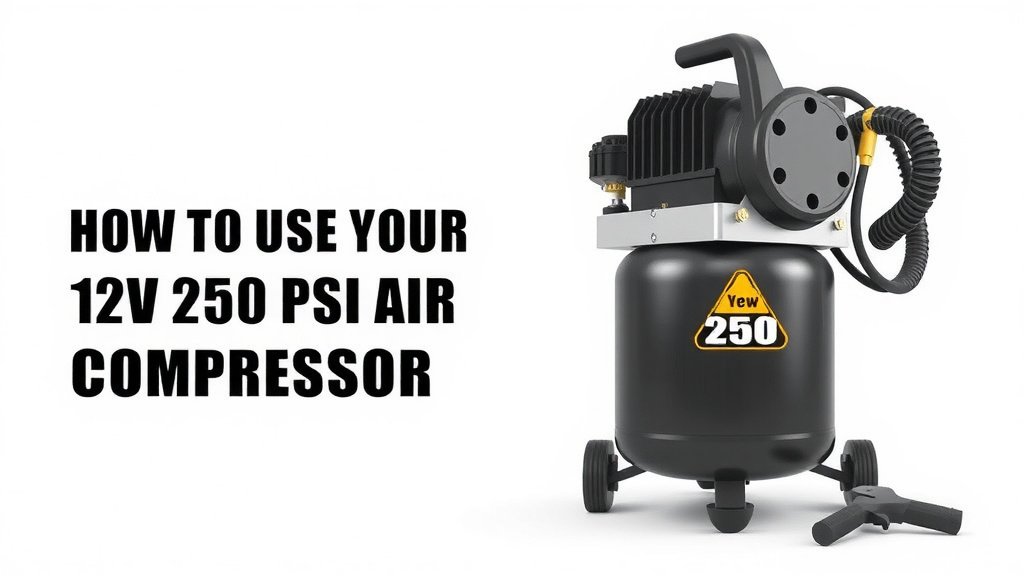
How to Use Your 12V 250 PSI Air Compressor
Using a 12v 250 psi air compressor is pretty straightforward once you know the basics. You’ll connect it to your vehicle’s power, attach the hose to your tire, and power it on to inflate. It’s a handy tool for emergencies and keeping your tires properly inflated, which is key for fuel efficiency and a smoother ride.
This type of portable air compressor is designed for convenience on the go. Its compact size makes it easy to store in your trunk or glove compartment. We found that having one ready means you can tackle low tire pressure situations yourself, saving time and hassle. It’s a real lifesaver when you’re far from a gas station.
TL;DR:
- Connect compressor to your car’s 12v power outlet.
- Attach the air hose securely to your tire valve.
- Turn on the compressor to inflate your tire.
- Monitor the tire pressure to avoid overinflation.
- Disconnect and store the compressor when done.
Let’s walk through exactly how this works step by step, so you can feel confident using your 12v 250 psi air compressor.
Getting Your 12v Air Compressor Ready to Inflate
So you’ve got a 12v 250 psi air compressor, and you’re wondering how to get it working. It’s simpler than you might think! We found that most of these units work by tapping into your car’s 12-volt power outlet, often called a cigarette lighter socket. This makes them super convenient for roadside use.
The “250 psi” part just tells you its maximum pressure capability. For typical car tires, you’ll rarely need to go that high. Most car tires are best inflated between 30-40 psi. This compressor is powerful enough to handle truck tires or even some tougher jobs, but for your daily driver, it’s more than capable.
Connecting to Your Vehicle’s Power
First things first, you need to power your compressor. Locate your vehicle’s 12v power outlet. It’s usually near the dashboard or center console. Make sure your car’s engine is running. This provides a stable power source and prevents draining your car battery.
Now, take the compressor’s power plug and firmly insert it into the outlet. You should feel a snug connection. Some compressors have a light on the plug or the unit itself that might turn on, letting you know it’s receiving power. If nothing happens, double-check that the plug is fully seated and that the outlet is working. Sometimes, the outlet might only have power when the ignition is on.
Attaching the Air Hose to Your Tire
With power established, it’s time to connect to your tire. Find the air hose that came with your compressor. One end will connect to the compressor unit, and the other end attaches to your tire’s valve stem. Ensure the hose is securely attached to the compressor – usually, it screws on or has a quick-connect fitting.
Next, go to the tire you need to inflate. Unscrew the valve cap from the tire’s valve stem. Keep this cap somewhere safe; you’ll need it again later. Now, take the nozzle at the end of the air hose and press it firmly onto the valve stem.
Securing the Nozzle
There are a few ways these nozzles attach. Some are simple push-on types. You’ll just push it straight down and hold it there while it inflates. Others have a lever or a screw-on mechanism. If yours has a lever, push the nozzle onto the stem and flip the lever up to lock it in place. If it screws on, carefully twist the nozzle onto the stem until it feels snug.
We found that a good seal is crucial. If you hear air hissing out when you attach the nozzle, it’s not sealed properly. You might need to try pushing harder or repositioning it. A leaky connection means you’re losing air, and the compressor will take much longer to do its job.
Inflating Your Tire Safely
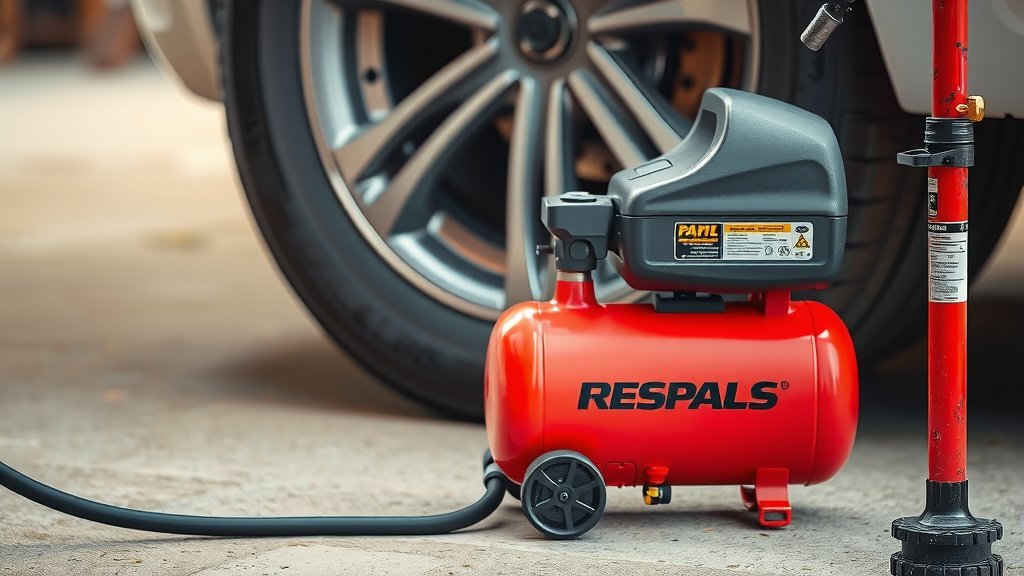
Now for the main event! Once the hose is securely attached, find the power switch on your air compressor. Flip it on. You should hear the motor start and feel the air pumping. It’s a good idea to have a tire pressure gauge handy. You can usually buy one separately or sometimes they are built into the compressor unit.
Monitor the tire pressure as it inflates. Your compressor might have a built-in gauge, or you might need to use a separate one. If you’re using a separate gauge, you might need to briefly disconnect the compressor hose to get an accurate reading, then reattach it to continue inflating.
Understanding Tire Pressure Recommendations
What pressure should you aim for? Your vehicle’s recommended tire pressure is usually found on a sticker inside the driver’s side doorjamb or in your owner’s manual. It’s important to hit this target. Overinflating can lead to a harsher ride and uneven tire wear. Underinflating is bad for fuel economy and can even be dangerous.
We found that many sources, like the National Highway Traffic Safety Administration (NHTSA), strongly recommend checking your tire pressure regularly. This isn’t just for safety; properly inflated tires also mean better gas mileage. This can save you money at the pump.
Knowing When to Stop
Inflate your tire until it reaches the recommended PSI. If your compressor has a gauge, watch it closely. If you’re using a separate gauge, check it every minute or so once you get close to the target pressure. As soon as you hit the correct PSI, turn off the compressor.
Be careful not to overinflate. It’s easier to add a little more air than it is to let some out. If you do overinflate slightly, you can press the center pin inside the tire valve stem with a fingernail or a small tool to release air in short bursts. Then re-check the pressure.
Disconnecting and Storing Your Compressor
Once your tire is properly inflated, turn off the compressor. Carefully detach the air hose nozzle from the tire valve stem. You might hear a small puff of air as you disconnect it – that’s normal.
Replace the valve cap on your tire stem. This keeps dirt and moisture out. Then, unplug the compressor’s power cord from your car’s 12v outlet. Coil the air hose and the power cord neatly. Most compressors come with a carrying case or bag, which is perfect for keeping everything organized in your trunk.
A Quick Checklist for Success
Here’s a simple checklist to keep handy:
- Engine running? Check.
- Compressor plugged in securely? Check.
- Hose attached tightly to the tire valve? Check.
- Inflating to recommended PSI? Check.
- Compressor turned off and unplugged? Check.
- Valve cap replaced? Check.
Following these steps will ensure you can use your 12v 250 psi air compressor with confidence every time. It’s a reliable tool for any vehicle owner.
Conclusion
You’ve now got a solid understanding of how to use your 12v 250 psi air compressor. We’ve covered connecting to your car’s power, securing the hose to your tire, inflating safely, and proper storage. This tool is your reliable roadside companion for maintaining optimal tire pressure, which contributes to better fuel efficiency and a safer drive. Don’t let low tire pressure catch you off guard again. Keep your compressor in your vehicle and check your tire pressure regularly – you’ll thank yourself later!
Frequently Asked Questions
How long does it take to inflate a car tire with a 12v compressor?
The time can vary based on the compressor’s power and how low the tire pressure is. Generally, inflating a typically underinflated car tire can take anywhere from 5 to 15 minutes. We’ve found that starting with the engine running helps speed things up.
Can I use a 12v air compressor to inflate bike tires?
Yes, you usually can, but check if your compressor came with adapters. Many portable compressors include attachments for Schrader valves, common on car tires and some bicycles. You might need a Presta valve adapter for road bikes.
My 12v compressor isn’t turning on, what should I check?
First, ensure your car’s engine is running and the 12v power outlet is functional. Double-check that the compressor’s plug is firmly inserted. Sometimes, a blown fuse in your car or the compressor might be the issue; consult your vehicle’s manual for fuse box locations.
Is 250 psi too much pressure for my car tires?
For most standard car tires, 250 psi is much higher than needed. Car tires typically inflate to between 30-40 psi. Your 12v compressor’s 250 psi rating simply indicates its maximum capacity; you’ll only be using a fraction of that for your car. Always inflate to your vehicle’s recommended PSI.
Can I leave the 12v air compressor running unattended?
It’s generally not recommended to leave any powered device unattended. While inflating, keep an eye on the tire pressure gauge to prevent overinflation. We found that staying nearby ensures you can shut it off promptly when the correct pressure is reached.