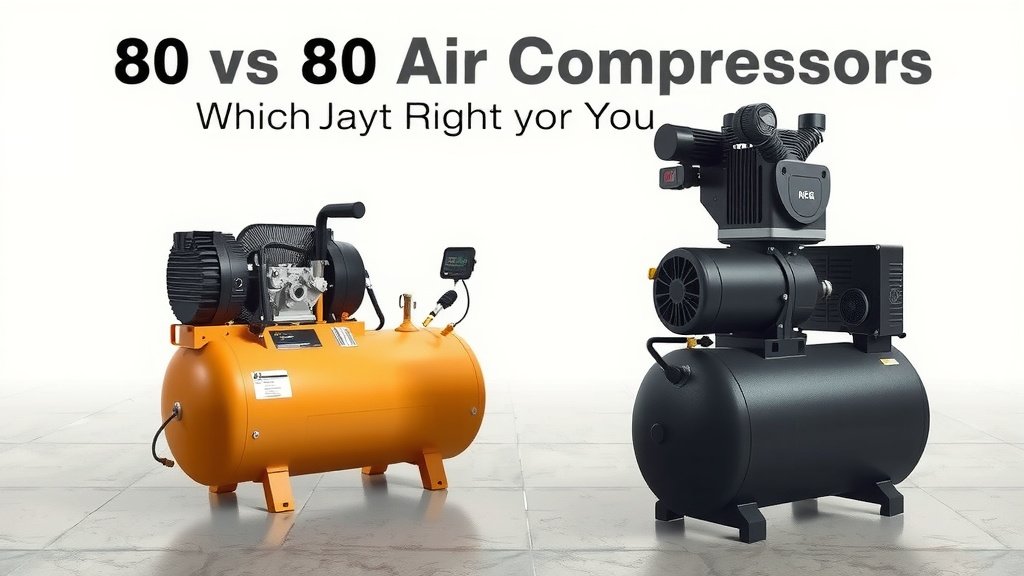
60 vs 80 Gallon Air Compressor: Which is Right for You
When choosing between a 60-gallon vs. 80-gallon air compressor, the 80-gallon model is generally better for continuous, heavy-duty use. You’ll get longer run times and more consistent air delivery. A 60-gallon compressor is still a solid choice for many workshops. It can handle many tasks, but might require more frequent rest periods.
Think of it this way: your compressor’s tank size directly impacts how long it can supply air before the motor needs to kick back on. A larger tank means more stored air pressure. This is vital if your tools are air hogs or if you work on projects that demand a steady airflow. We found that for serious DIYers and professionals, the 80-gallon size often provides that extra buffer.
- 80-Gallon: Best for frequent, long-duration tasks. Offers more consistent air.
- 60-Gallon: Good for moderate use. Might need more breaks.
- Consider your most demanding air tools The size of your air compressor hose also matters for these most demanding air tools. and how often you use them.
- Runtime and recovery time are key differences.
Let’s dive a bit deeper and figure out which one is the real winner for your specific needs.
Comparing Air Compressor Tank Sizes: 60 vs. 80 Gallons
When you’re looking at air compressors, the tank size is a big deal. It’s like the fuel tank in your car. A bigger tank means you can go longer before you need to refuel. For air compressors, that means a larger tank holds more compressed air. This lets your tools run for longer periods. Many DIYers and professional mechanics ask about the difference between 60-gallon and 80-gallon models. We found that the choice often comes down to your specific projects and tools.
How Tank Size Affects Air Compressor Performance
Think of your air compressor’s tank as a reservoir. It stores air that the pump compresses. When you use an air tool, it draws air from this tank. The larger the tank, the more air it can hold at a given pressure. This means the compressor motor doesn’t have to run as often. We found that consistent air pressure is key for many tools to work their best.
Runtime and Recovery Time Explained
Runtime refers to how long your tools can operate before the tank pressure drops too low. Recovery time is how long it takes for the compressor’s motor to refill the tank back to its maximum pressure. A larger tank, like an 80-gallon one, generally offers a longer runtime. It also means the motor will cycle on less frequently. This is a major benefit for extended use.
The Impact on Tool Performance
Some air tools are much thirstier than others. Things like impact wrenches, sanders, and spray guns can use a lot of air. If your compressor tank is too small for these tools, the pressure can drop. This can cause your tools to work inefficiently or even stop altogether. We found that a larger tank helps maintain steady airflow, leading to better tool performance.
Who Needs a 60-Gallon Air Compressor?
A 60-gallon air compressor is a solid workhorse for many home workshops. It’s a good step up from smaller portable units. You can tackle a variety of tasks with it. Think about tasks like powering a nail gun for framing, using an impact wrench for tire changes, or running a small sander for short bursts.
Ideal Projects for a 60-Gallon Tank
- Light to medium-duty auto repair.
- Occasional woodworking projects.
- Running multiple nail guns for trim work.
- Inflating tires and other items.
- Light-duty painting with HVLP sprayers.
When a 60-Gallon Might Fall Short
If your work involves long, continuous air use, a 60-gallon tank might struggle. Imagine sandblasting or using a large orbital sander for an hour straight. The compressor will likely need frequent breaks to catch up. We found that users often feel frustrated by the constant cycling of the motor. This can lead to increased wear and tear over time.
Why an 80-Gallon Air Compressor Might Be Your Best Bet
An 80-gallon air compressor is designed for more demanding applications. It provides a substantial reserve of compressed air. This makes it ideal for professional settings or serious DIYers. If you rely on air tools for your livelihood or for large, ongoing projects, this size offers a significant advantage.
Applications Suited for 80 Gallons
An 80-gallon compressor excels where air demand is high and continuous. This includes professional auto shops where impact wrenches are used all day. It’s also great for large-scale woodworking, metal fabrication, and industrial painting. We found that the extended runtime reduces downtime significantly.
The Benefits of a Larger Reserve
The sheer volume of stored air in an 80-gallon tank is a game-changer. You’ll experience longer tool operation without pressure drops. The motor will cycle on less often, leading to a quieter work environment. It also means the compressor may last longer due to reduced strain. Many experts say this leads to better overall efficiency (American Society of Mechanical Engineers).
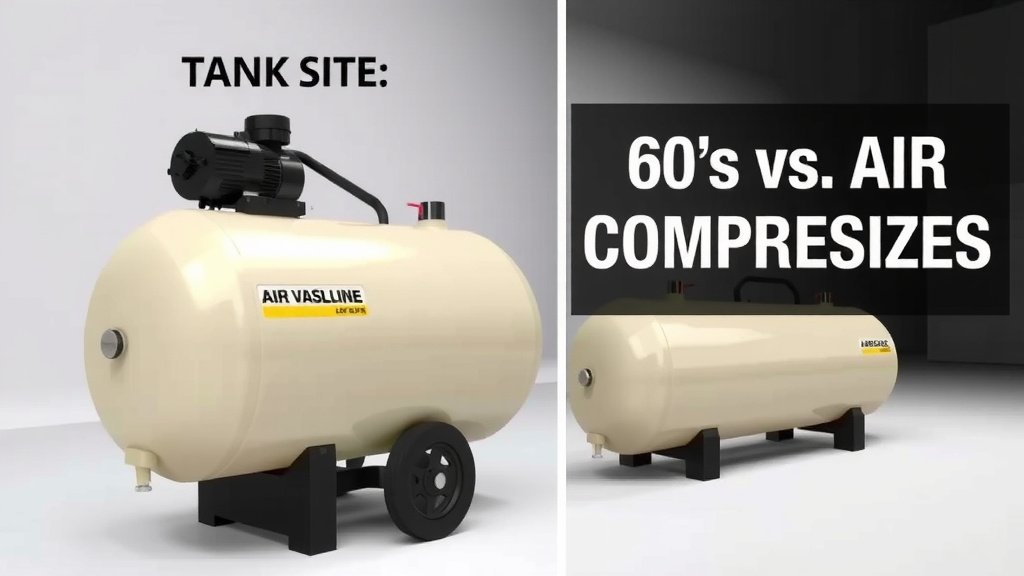
Key Differences at a Glance
Let’s break down the core differences you’ll experience. The tank size is the most obvious distinction. But it translates into practical differences in how you’ll use the compressor.
| Feature | 60-Gallon Compressor | 80-Gallon Compressor |
|---|---|---|
| Runtime | Moderate; good for shorter tasks. | Extended; ideal for continuous use. |
| Recovery Time | Shorter recovery period. | Longer recovery period between cycles. |
| Air Delivery Consistency | Can fluctuate with heavy use. | More consistent, steady airflow. |
| Ideal Use Cases | Home workshops, light-to-medium DIY. | Professional shops, heavy-duty DIY, industrial. |
| Noise Level (Motor Cycling) | Motor cycles on more often. | Motor cycles on less often. |
| Footprint & Power Needs | Generally smaller footprint, might require less power. | Larger footprint, typically requires more power. |
Space and Power Considerations
An 80-gallon compressor is usually larger and heavier than a 60-gallon unit. You’ll need to ensure you have enough space in your workshop. Also, larger compressors often require more electrical power. Many need a 240V circuit. Always check the power requirements before purchasing. We found that many homeowners overlook this detail.
Making Your Final Decision: A Quick Checklist
To help you decide, ask yourself these questions:
- What are the most air-hungry tools you own or plan to buy?
- How often will you use these tools for extended periods?
- Do you need consistent airflow for precision work?
- What is your workshop’s available space and electrical capacity?
- Is budget a primary concern, or is performance the main driver?
- How important is minimizing compressor noise and motor cycling?
By answering these, you’ll have a much clearer picture of which tank size suits your needs best. We found that thinking through these points early saves a lot of headaches later on.
Conclusion
You’ve seen how both 60-gallon and 80-gallon air compressors have their place. For most home garages and DIYers with moderate tool use, a 60-gallon unit offers a great balance of power and practicality. However, if your work demands continuous airflow, like for professional auto shops or heavy-duty woodworking, an 80-gallon compressor is the clear winner. It prevents those frustrating pressure drops and motor interruptions. Before you buy, think about your most demanding tools and how often you’ll run them for long stretches. This will guide you to the compressor that truly fits your workshop’s needs.
Frequently Asked Questions
What kind of tools will push me towards an 80-gallon compressor?
Tools that consume a lot of air quickly are the main drivers. Think about things like large impact wrenches, sandblasters, die grinders, or professional spray guns. If you plan to use these for extended periods, you’ll appreciate the reserve an 80-gallon tank provides.
Will a 60-gallon compressor constantly need to run its motor?
It depends on your tools and usage. For short bursts, like using a nail gun for trim, it should be fine. But if you’re using an air-hungry tool like a random orbital sander for more than a few minutes at a time, you might notice the motor cycling on more often.
Are 80-gallon compressors much louder than 60-gallon ones?
The compressor unit itself might not be louder, but the 80-gallon’s motor will cycle on less frequently. This means you’ll experience fewer periods of sustained motor noise compared to a 60-gallon model that needs to refill its tank more often.
Do I need a special electrical outlet for an 80-gallon compressor?
Most 80-gallon compressors, and many 60-gallon ones, require a 240-volt circuit. Standard household outlets are usually 120-volt. Always check the compressor’s specifications to ensure your workshop’s electrical system can support it.
Can a 60-gallon compressor be enough for a professional mechanic?
It’s possible for very light-duty professional work, especially if you primarily use tools like nail guns for trim or occasional impact wrench use. However, for daily, heavy use of air-hungry tools in an automotive shop, an 80-gallon tank is usually a much better fit to keep you working without interruption.