Air Compressor HP vs CFM: What You Need to Know
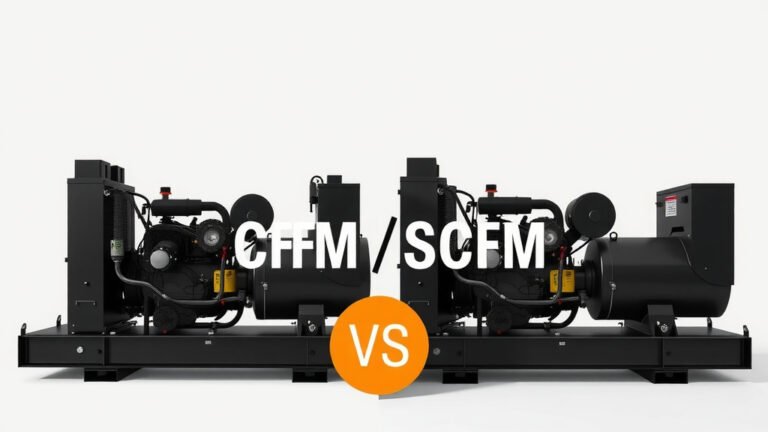
When choosing an air compressor, understanding the difference between HP and CFM is key. HP (horsepower) tells you about the motor’s power, while CFM (cubic feet per minute) tells you how much air it can deliver. For most tools, CFM is the more important number to consider for performance.
Think of HP as the engine size and CFM as the fuel flow. You need enough air supply (CFM) to keep your tools running without interruption. Too little CFM, and your tools will sputter and perform poorly, no matter how powerful the motor (HP).
- HP measures motor strength.
- CFM measures air volume.
- CFM is more important for tool performance.
- Match CFM to your tool’s needs.
So, let’s clear the air on air compressor specs and figure out what you really need for your projects!
Alright, let’s talk about what truly matters when you’re looking for an air compressor: the difference between horsepower (HP) and cubic feet per minute (CFM). While horsepower gets a lot of attention, CFM is often the real hero of the story for your tools.
Understanding Air Compressor Power: HP vs. CFM
Think of horsepower (HP) as the muscle behind the motor. It tells you how much raw power the electric motor or gas engine can produce. More HP generally means a stronger motor. But here’s the thing: a powerful motor doesn’t automatically mean a lot of air delivery.
What Exactly is Horsepower (HP)?
Horsepower measures the rate at which the motor can do work. It’s like comparing the engines in cars. A bigger engine (more HP) can potentially do more, but it’s not the whole picture for getting your tools to work right.
What is Cubic Feet Per Minute (CFM)?
CFM measures how much air the compressor can deliver over time. This is the critical number for keeping your air-powered tools running smoothly. If you need to run an impact wrench or a sander, you need a consistent flow of air, and that’s where CFM shines.
Why CFM Matters More for Tools
Your tools have specific air requirements. They need a certain amount of air volume to operate at their best. If your compressor can’t keep up with that demand (meaning its CFM is too low), your tool will lose power. You might hear it sputter or stop working altogether. It’s like trying to drink a thick milkshake through a tiny straw – the flow just isn’t there.
Matching CFM to Your Tool’s Needs
This is where you really need to pay attention. Most air tools come with a recommended CFM rating. You’ll find this in the tool’s manual or on its specifications plate. To ensure your tool works as intended, you need a compressor that can deliver at least that much CFM.
The Relationship Between HP and CFM
While CFM is usually king, HP does play a role. Generally, a higher HP motor is capable of producing more CFM. Think of HP as the potential, and CFM as the actual output. A 5 HP compressor *might* produce more CFM than a 2 HP one, but not always. The design and efficiency of the compressor pump are just as important.
Don’t Just Look at the HP Number
We’ve seen many shoppers get tripped up by high HP numbers without checking the CFM. A compressor with 6 HP might sound amazing, but if it only delivers 3 CFM, it won’t run a demanding tool that needs 5 CFM. Always check the CFM rating at a specific PSI (pounds per square inch) as well, as this is how tools are typically rated.
Calculating Your CFM Needs for Different Tasks
To figure out what you need, gather all your air tools. For each tool, find its CFM requirement. Then, add them up. If you plan to run multiple tools at once, you’ll need to sum their CFM needs. Many experts suggest adding a buffer of 20-30% to this total. This ensures you have enough air even during peak demand.
Common Air Tool CFM Requirements
Different tools have vastly different appetites for air. Here’s a general idea:
- Nail Guns: Typically low, often under 1 CFM.
- Impact Wrenches: Can range from 4-7 CFM, depending on size and power.
- Sanders (Orbital, Belt): Usually require 6-12 CFM.
- Paint Sprayers (HVLP): Can be high, often 8-15 CFM or more.
- Air Ratchets: Around 3-5 CFM.
Remember, these are estimates. Always check your specific tool’s manual for the most accurate CFM requirements. It’s better to have a little extra CFM than not enough!
Compressor Tank Size: Another Piece of the Puzzle
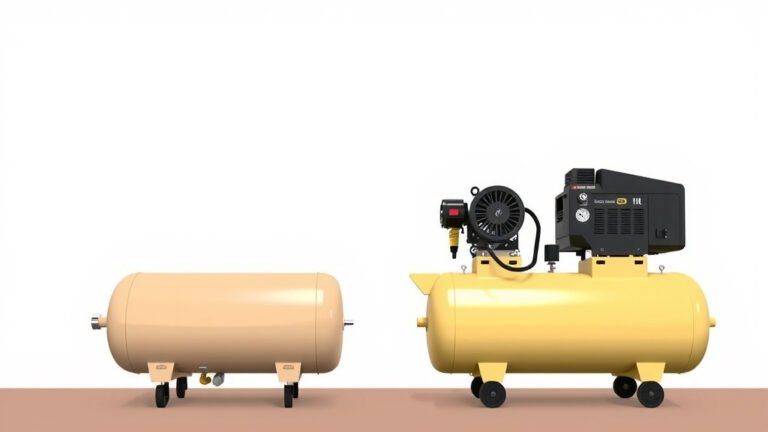
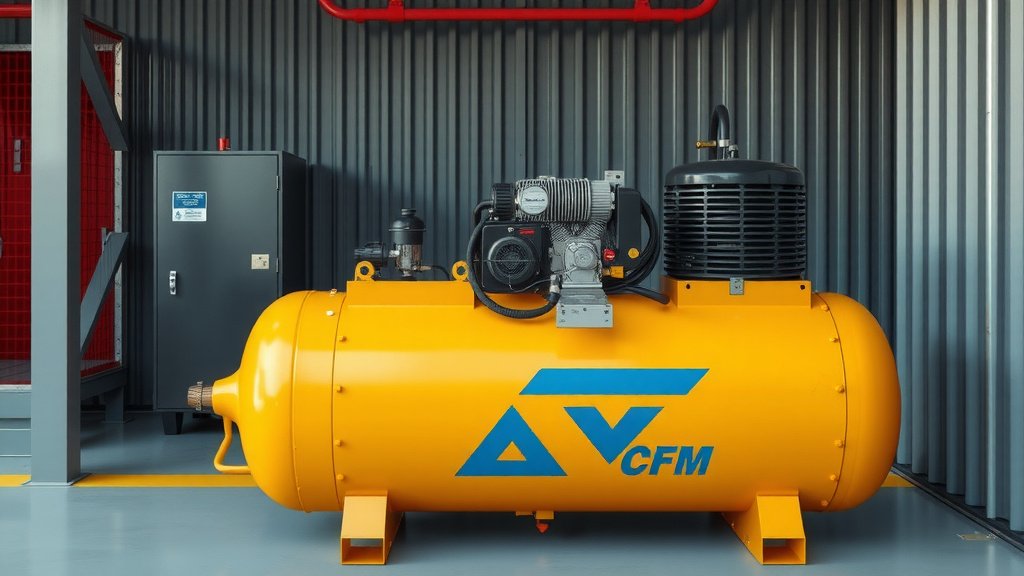
While CFM tells you how much air is delivered, the tank size tells you how much air the compressor can store. A larger tank acts as a buffer, allowing you to use air for a longer period before the motor needs to cycle on again. For tools that use a lot of air intermittently, like a nail gun, a larger tank can be very helpful. While CFM tells you how much air is delivered, the tank size tells you how much air the compressor can store.
When Tank Size Really Matters
If you’re doing a lot of painting or using tools that have a continuous high air demand, a larger tank won’t solve a CFM deficit. The compressor still needs to *produce* enough air. However, for tasks that are stop-and-go, a bigger tank can make your compressor feel more powerful and reduce motor cycling.
Putting It All Together: Your Air Compressor Checklist
Ready to make an informed choice? Here’s a quick rundown to help you zero in on the right compressor for your needs:
- List your tools: Write down every air tool you own or plan to buy.
- Find the CFM needs: Check the manual or spec sheet for each tool.
- Calculate total CFM: Add up the CFM for tools you might use simultaneously. Add a buffer (20-30%).
- Compare to compressor ratings: Look for compressors that meet or exceed your calculated CFM requirement.
- Consider HP as a secondary factor: Ensure the HP is sufficient to deliver the needed CFM.
- Think about tank size: Match it to the nature of your typical projects.
Conclusion
You’ve learned that while HP measures a motor’s strength, CFM is the real performance driver for your air tools. Don’t get swayed by high HP numbers alone. Always match the compressor’s CFM output to your tools’ needs. Remember to add a buffer for peak demand. By prioritizing CFM and considering tank size, you can confidently select an air compressor that powers your projects effectively. Your next step? List your tools and calculate your specific CFM requirement!
Frequently Asked Questions
Will a higher HP air compressor always give me more CFM?
Not necessarily. While higher HP motors often produce more CFM, compressor pump design and efficiency are also critical factors. You must compare the CFM rating at a specific PSI for an accurate comparison.
What happens if my air compressor’s CFM is too low for my tool?
If your compressor’s CFM is too low, your air tool will likely perform poorly. You might experience sputtering, reduced power, or the tool may stop working altogether. It simply can’t get the volume of air it needs to function correctly.
How do I find the CFM requirement for my specific tool?
You can usually find the CFM requirement in your air tool’s owner’s manual or on a specification plate directly on the tool itself. Always refer to the manufacturer’s guidelines for the most accurate information.
Is it okay to have a higher CFM compressor than what my tools require?
Yes, it’s generally better to have a compressor with a higher CFM than your tools need. This provides a comfortable buffer, ensures consistent performance, and prevents the compressor from constantly running to keep up, which can extend its lifespan.
Does the air compressor’s tank size affect its CFM output?
No, the tank size doesn’t directly affect the CFM output. CFM is about how much air the compressor can deliver per minute. The tank size is about storing compressed air, acting as a reservoir to smooth out demand and reduce motor cycling, but it doesn’t increase the rate of air production.