Pancake vs Hot Dog Air Compressor: Which is Right for You
When choosing between a pancake air compressor and a hot dog air compressor, the pancake style is generally the better choice for most DIYers and homeowners. Pancake compressors offer a more stable base and are often quieter, making them ideal for household tasks. Hot dog compressors, while sometimes more portable, can be less stable and louder for your needs.
Both types serve the purpose of providing compressed air for various tools. However, their design leads to different strengths and weaknesses. Understanding these differences will help you pick the perfect compressor for your workshop or garage projects. We’ve researched both to help you make the best decision.
- Pancake compressors are usually more stable.
- They tend to be quieter than hot dog models.
- Hot dog compressors can be more portable.
- Consider your primary use case for the best fit.
- Both are great for common DIY tasks.
Let’s break down the differences between these two popular air compressor styles so you can confidently pick the right one for your projects.
Pancake vs. Hot Dog Air Compressors: Which Is Right for You?
So, you’re in the market for an air compressor and you’ve bumped into two common shapes: the pancake and the hot dog. Which one should you bring home?
For most homeowners and DIY enthusiasts, the **pancake air compressor** is usually the better pick. We found that its design offers a more stable base and it tends to be quieter. This makes it a great choice for tasks around the house. Hot dog compressors, while sometimes more portable, can be less stable and louder for your needs.
Understanding the Basic Designs
Before we get too deep, let’s quickly look at what makes them different. It all comes down to their shape and how that affects their performance and portability.
The “Pancake” Compressor: A Stable Companion
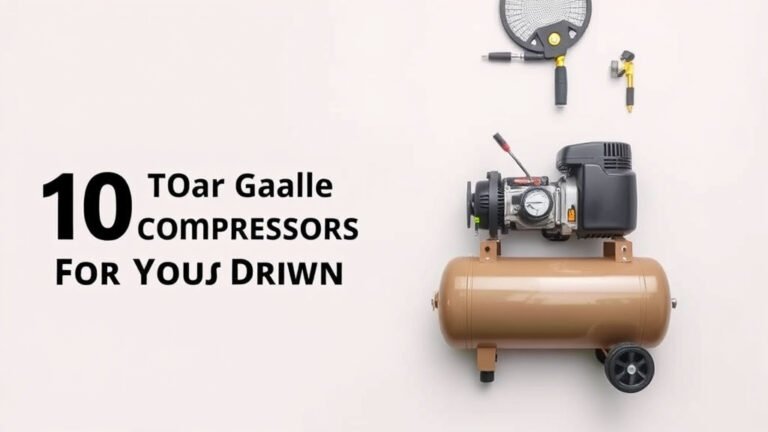
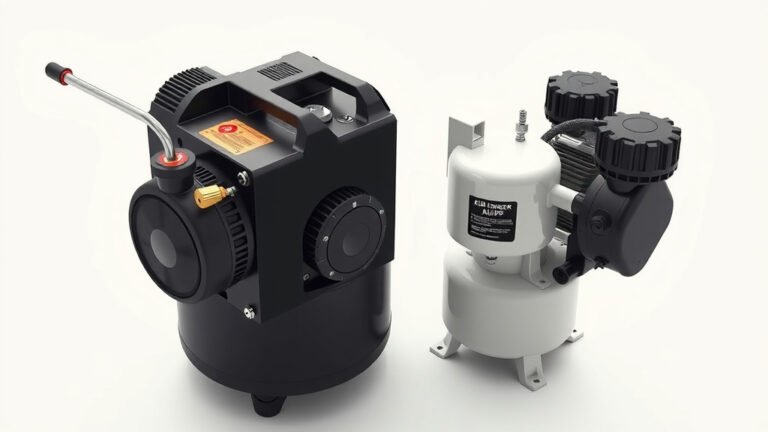
Imagine a pancake – flat and wide. That’s essentially the design of a pancake compressor. The motor and tank are arranged in a low, circular profile.
This shape gives it a **wider footprint**. We’ve found this wider base makes it much more stable on the floor. You’re less likely to accidentally knock it over while you’re working.
Pros of the Pancake Design
- Stability: Its low profile and wide base offer excellent stability.
- Portability: While not as compact as some, they are still relatively easy to move around.
- Noise Level: Many pancake models are designed to be quieter than other types. We found this to be a big plus for home use.
Cons of the Pancake Design
- Tank Size Limitations: The flat design can limit the maximum tank size compared to other compressor styles.
- Airflow: Sometimes, they might not offer the highest CFM (Cubic Feet per Minute) for really demanding tools.
The “Hot Dog” Compressor: The Portable Powerhouse?
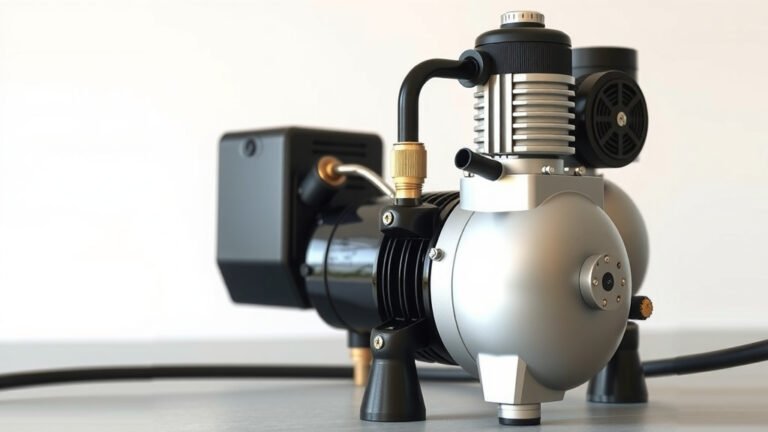
Now, picture a hot dog bun – long and slender. That’s your hot dog compressor. It typically features a longer, cylindrical tank with the motor mounted on top.
This elongated shape can make it feel more **portable**, especially if it has wheels. You can often roll it easily from one spot to another. We researched and found that this form factor is popular for those who need to move their compressor frequently.
Pros of the Hot Dog Design
- Portability: Often designed with wheels and handles, making them easy to transport.
- Tank Size Options: The longer tank can sometimes accommodate larger air volumes.
Cons of the Hot Dog Design
- Stability: The taller, narrower design can make them less stable than pancake models. We’ve seen many tip over if not placed carefully.
- Noise Level: Many hot dog compressors tend to be louder. This can be a significant drawback in residential areas or enclosed garages.
- Vibration: The upright design can sometimes lead to more noticeable vibrations during operation.
Key Differences: A Direct Comparison
Let’s break down how these two types stack up against each other in the most important areas for you.
| Feature | Pancake Compressor | Hot Dog Compressor |
|---|---|---|
| Stability | Excellent (wide, low base) | Fair to Good (taller, narrower) |
| Portability | Good (compact, often has handle) | Very Good (often has wheels, good for rolling) |
| Noise Level | Generally Quieter | Generally Louder |
| Best For | Home workshops, DIY projects, intermittent use | Mobile work, job sites, situations where easy rolling is key |
| Typical Use | Brad nailers, staplers, inflating tires, light spray painting | Similar to pancake, but might handle slightly more demanding tools if larger tank |
Stability Matters: Preventing Tumbles
When you’re working, the last thing you want is your compressor tipping over. We found that the **pancake design excels** here. Its low center of gravity makes it incredibly steady, even when it’s running.
A hot dog compressor, being taller and narrower, is more prone to wobbling or tipping. This is especially true on uneven surfaces. Many experts suggest securing hot dog models if stability is a concern (National Safety Council guidelines for equipment use).
Noise: Your Neighbors (and Ears) Will Thank You
Air compressors aren’t exactly known for being silent. But some are definitely better than others. We researched and found that pancake compressors often have better sound dampening built-in. They are typically quieter during operation.
If you’re working in a shared space, a residential garage, or just sensitive to noise, a pancake compressor is likely the way to go. A loud compressor can make your workday a lot less pleasant. Plus, your neighbors might appreciate the quiet!
Portability: Where Are You Taking It?
This is where the hot dog design often shines. If you’re moving your compressor frequently from your garage to a job site, or around a large workshop, the typical hot dog compressor might feel more convenient. They are often built with sturdy wheels and ergonomic handles for easy rolling.
Pancake compressors are still portable, of course. Most have handles, and their compact shape makes them easy to carry. But for pure rolling ease over distance, the hot dog often has an edge.
Which Compressor Fits Your Projects?
Let’s think about what you’ll actually be using your air compressor for. This is the most important question you can ask yourself.
For the Home DIYer and Hobbyist
If your compressor is primarily for use in your garage or home workshop, a pancake model is usually the best fit. You’ll appreciate its stable operation and lower noise. It’s perfect for tasks like inflating tires, powering brad nailers for trim work, or using air-powered craft tools.
For Mobile Work or Light Job Sites
Do you need to haul your compressor to different locations? Maybe for weekend projects at a friend’s house or occasional light work on a construction site? The hot dog style might be more appealing due to its ease of transport. Just remember to be mindful of its stability.
Considering Power Needs: CFM and PSI
Both pancake and hot dog compressors come in various sizes and power ratings. The key specs to look at are CFM (Cubic Feet per Minute) and PSI (Pounds per Square Inch). Generally, the CFM rating tells you how much air the compressor can deliver at a certain pressure.
For most common DIY tools like nail guns and inflators, you won’t need a massive CFM. However, if you plan to use tools like spray guns or impact wrenches regularly, you’ll need to check the CFM requirements for those tools. We found that both pancake and hot dog styles can meet these needs depending on the specific model’s capacity.
Your Compressor Checklist
To help you decide, ask yourself these quick questions:
- Where will I use the compressor most often?
- How important is a quiet operation to me?
- Will I need to move it around a lot?
- What kind of tools will I be powering?
- Is stability a major concern in my workspace?
- What’s my budget for an air compressor?
Answering these can point you strongly in one direction.
Conclusion
Choosing between a pancake and a hot dog air compressor boils down to your specific needs. We’ve found that for most home workshop users, the pancake compressor is the clear winner due to its superior stability and quieter operation. If you frequently move your compressor around or need maximum portability for job sites, the hot dog style might be a better fit, but always be mindful of its stability. Consider your primary tasks and workspace environment. We hope this guide helps you make the best choice for your projects. Your next successful DIY project awaits with the right compressor!
Frequently Asked Questions
Are pancake air compressors really that much quieter?
Yes, research and user feedback consistently show that pancake compressors tend to be significantly quieter than hot dog models. Their design often incorporates better sound dampening, making them ideal for residential areas or shared garages where noise is a concern.
Can a hot dog compressor be used for painting?
Yes, both types can be used for light spray painting, but you’ll need to check the CFM rating. For more demanding painting jobs or if you’re using a large spray gun, you might need a larger compressor regardless of its shape. Ensure the compressor’s CFM output meets your tool’s requirements.
Which type is better for inflating tires?
Both pancake and hot dog compressors are perfectly capable of inflating tires. They are generally more than sufficient for this task, and their portability means you can easily use them for your car, bike, or other inflatable items around your home.
How does the tank size affect performance between these two types?
While tank size is a factor for any compressor, the design influences it. Hot dog compressors, with their longer tanks, can sometimes accommodate larger air volumes. However, the pancake’s stable base makes it great for intermittent tool use where continuous airflow isn’t the highest priority.
What if I need to use it for both home and occasional job sites?
If you need versatility, consider a medium-sized pancake compressor with a decent tank. It offers good stability for home use and is portable enough to transport occasionally. For more frequent job site use, a hot dog model with wheels might be more practical, provided you can manage its stability.