Air Compressor Tank vs Regulated Pressure Explained
Air compressor tank pressure and regulated pressure are definitely not the same thing. Think of your tank pressure as the raw power stored up, ready to go, while regulated pressure is the precise, controlled amount you actually use for your tools. It’s like the difference between a water tower and your faucet – you need both, but they serve distinct purposes in getting work done.
Understanding this difference is key to getting the best performance from your tools and protecting your equipment. We found that many folks confuse these two, leading to issues like underpowered air tools or even damage. Getting this right means your compressor works efficiently and your tools perform as they should, every single time.
- Tank pressure is the total air stored.
- Regulated pressure is the controlled output for your tools.
- They are different and serve distinct functions.
- Understanding the difference prevents tool damage and ensures efficiency.
Let’s break down exactly what each pressure means and how they work together.
“`htmlUnderstanding Compressor Pressure: Tank vs. Regulator
You’ve got your air compressor, and it’s humming along. But what’s the deal with the numbers you see? There’s the pressure inside the tank, and then there’s the pressure coming out to your tools. These two numbers are critically different. Think of it like your car’s gas tank versus the engine’s actual power output. One stores the fuel, the other uses it precisely.
The pressure inside your compressor tank is its stored potential. It’s the maximum amount of air pressure the compressor can hold before it needs to refill. This stored pressure is what allows you to use air tools intermittently without the compressor running constantly. We found that understanding this stored energy is key to knowing your compressor’s capabilities.
What is Tank Pressure?
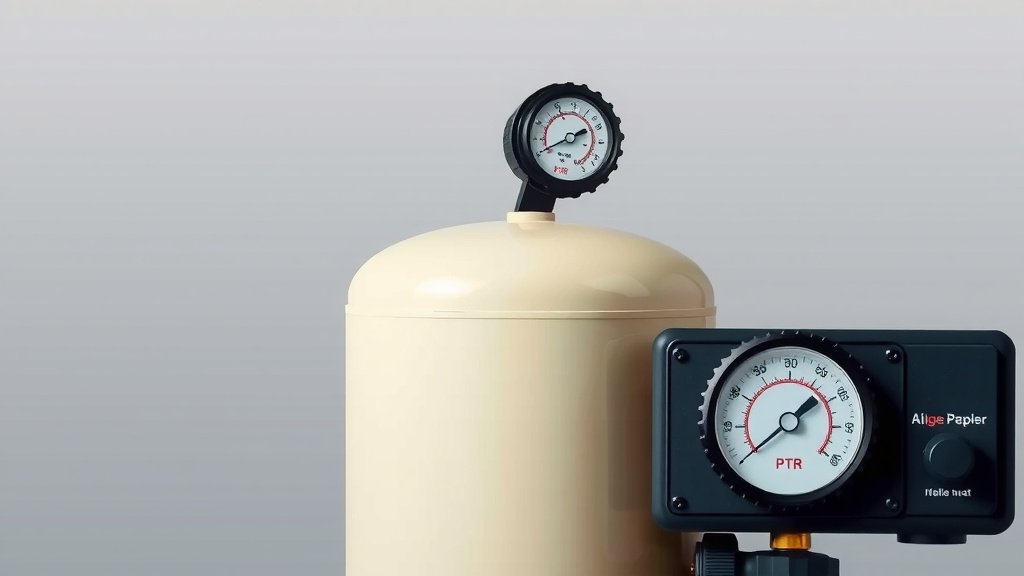
Your air compressor tank acts as a reservoir. It stores compressed air at a high pressure. This stored air is ready to be released when you need it. The tank’s maximum pressure rating is usually indicated on a gauge attached to the tank itself. This is often referred to as the cut-in or cut-out pressure. When the tank reaches the cut-out pressure, the compressor motor stops. When the pressure drops to the cut-in pressure, the motor starts up again to refill the tank.
The Role of the Pressure Switch
A pressure switch controls this cycle. It’s the brain of your compressor’s filling system. This small but mighty device monitors the tank pressure. It automatically turns the compressor motor on and off. We found that this switch is essential for preventing over-pressurization and saving energy. It ensures the tank stays within its safe operating range.
Why is High Tank Pressure Important?
Having a higher tank pressure means your compressor can supply air for longer periods. This is especially useful for demanding tools. Tools that use a lot of air, like impact wrenches or sanders, require a good reserve. A larger tank also means fewer cycles for the motor. This can lead to a longer lifespan for your compressor. Many manufacturers suggest a tank size based on the CFM (Cubic Feet per Minute) output and the type of tools you’ll use.
What is Regulated Pressure?
Regulated pressure is the amount of air pressure that actually goes to your tool. It’s the controlled output. You adjust this using a pressure regulator, often found on your compressor’s control panel or as a separate inline unit. Think of this regulator as a gatekeeper. It takes the high pressure from the tank and dials it down to the exact level your tool needs to operate safely and effectively.
The Function of the Pressure Regulator
Every air tool has a recommended operating pressure. Using a regulator ensures you meet this requirement. Over-pressurizing a tool can cause it to malfunction or break. Under-pressurizing means it won’t perform as intended. For example, a delicate paint sprayer needs much lower pressure than a heavy-duty nail gun. The regulator allows you to set this precise output. We found that setting the regulator correctly is a common step many users overlook. It’s a simple adjustment that makes a big difference.
Common Regulator Settings
Here’s a look at typical regulated pressure ranges for common tools:
- Paint Sprayers: 20-50 PSI
- Nail Guns/Staplers: 70-100 PSI
- Impact Wrenches: 90-120 PSI
- Air Blow Guns: 30-60 PSI
- Tire Inflators: 30-60 PSI
Why You Need Regulated Pressure
Using regulated pressure protects your tools. It also ensures consistent performance. Imagine painting a car. If the pressure fluctuates wildly, your paint job will show it. A steady, regulated output provides a smooth and professional finish. Many experts say that consistent air supply is a hallmark of professional work (Industrial Equipment Review). Furthermore, running tools at their correct pressure can prevent unnecessary wear and tear.
How Tank Pressure and Regulated Pressure Work Together
These two pressures are partners in getting your work done. The tank holds the power, and the regulator controls its delivery. You need enough tank pressure to ensure your compressor doesn’t constantly have to run. But you also need the regulator to step down that pressure to a safe and usable level for your specific tool. It’s a balanced system. Without a properly functioning regulator, the high pressure from the tank could be directly sent to your tools, likely causing damage. We found that many issues with air tools stem from incorrect pressure settings.
The Flow of Air Pressure
Here’s a simplified view:
- The compressor motor pumps air into the tank, increasing tank pressure.
- When tank pressure reaches its limit, the motor shuts off.
- You open the air valve to your tool.
- The pressure regulator takes the high pressure from the tank.
- It reduces and stabilizes it to the desired regulated pressure for your tool.
- The tool operates using this controlled air stream.
- As you use air, tank pressure drops, eventually triggering the motor to restart.
Troubleshooting Common Pressure Issues
Are your tools not performing well? Is your compressor running more than it should? The problem might be with your pressure settings. Here’s a quick checklist:
- Check your tank gauge: Is it holding pressure between cycles?
- Verify regulator setting: Is it set to your tool’s recommended PSI?
- Inspect for leaks: Air leaks anywhere in the system reduce efficiency.
- Listen to your compressor: Is it constantly running without reaching cut-out pressure?
- Confirm tool requirements: Does your tool need more CFM than your compressor can supply?
We found that regular checks of your compressor’s gauges and regulator can save you a lot of headaches. It’s better to catch a small issue early before it becomes a major repair. Keeping your system optimized ensures you have reliable air power when you need it.
| Feature | Tank Pressure | Regulated Pressure |
|---|---|---|
| Purpose | Stores compressed air; provides reserve power | Controls and stabilizes air output for tools |
| Location | Inside the main air tank | Controlled by the regulator knob/dial |
| Measurement | Shown on the tank pressure gauge | Shown on the regulator gauge (output gauge) |
| Typical Range | Often 90-175 PSI (varies by compressor) | Adjustable, typically 0-120 PSI (tool-dependent) |
| Control | Managed by the pressure switch | Managed by the user via the regulator knob |
Understanding the distinct roles of tank pressure and regulated pressure is essential for anyone using an air compressor. It’s not just about having air; it’s about having the right amount of air delivered safely and efficiently to your tools. By paying attention to both gauges, you’ll ensure your equipment lasts longer and your projects get done right.
“`Conclusion
You now understand the vital difference between your air compressor’s tank pressure and its regulated output. Tank pressure is your stored energy, the reserve that keeps your compressor from constantly cycling. Regulated pressure is the precise, controlled air your tools need to operate safely and effectively. By properly setting your regulator and understanding your tank’s capacity, you ensure optimal tool performance and extend the life of your equipment. Always check your gauges before starting a project to make sure everything is set correctly for the job at hand.
Frequently Asked Questions
Why does my air tool feel weak even though the tank pressure is high?
This usually means your regulated pressure is set too low. The high tank pressure is there, but the regulator isn’t allowing enough of it through to power your tool effectively. Double-check the recommended PSI for your specific tool and adjust the regulator accordingly.
Can I just connect my tool directly to the tank without a regulator?
We strongly advise against this. Connecting directly to the tank bypasses the regulator, exposing your tool to the full, uncontrolled tank pressure. This can easily over-pressurize and damage your tool, potentially causing it to fail catastrophically.
How often should I check my air compressor’s pressure settings?
It’s good practice to check both your tank pressure and regulated pressure settings before each use. Small adjustments can sometimes be needed, and it helps you catch any potential leaks or issues early on.
What’s the difference between the two gauges on my regulator?
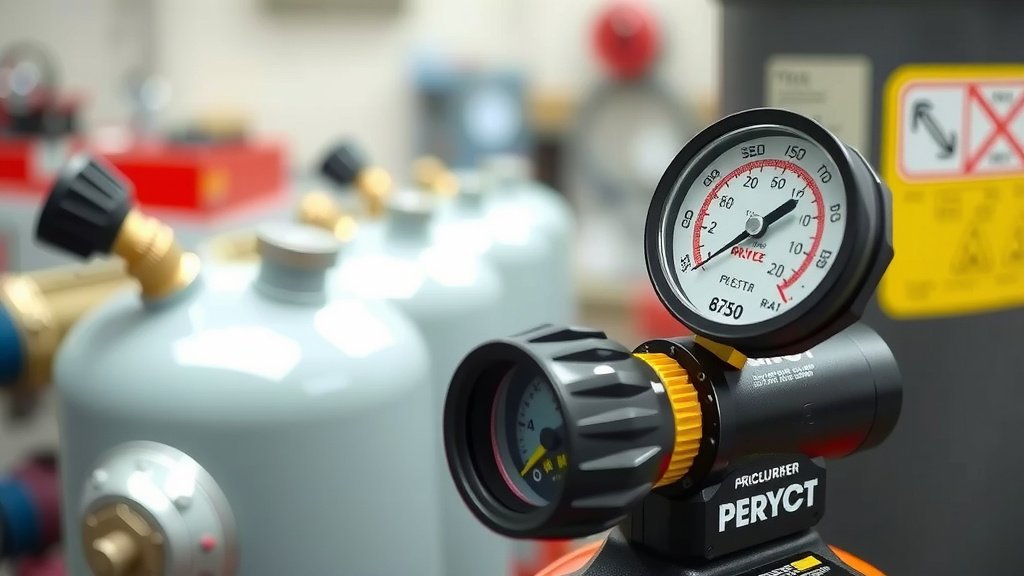
Typically, one gauge shows the incoming pressure from the tank, while the other, usually on the right, shows the regulated output pressure that’s going to your tool. You’ll adjust the regulator knob to control the reading on the output gauge.
My compressor keeps running and never shuts off. What could be wrong?
If your compressor is running constantly and not reaching its cut-out pressure, it could indicate a few things. You might have a significant air leak somewhere in your system, or your compressor might be struggling to keep up with the demand, possibly due to using a tool that requires more CFM than your compressor can supply.