Air Compressor vs Air Pump: What’s the Difference
When you’re trying to inflate something, an air compressor and an air pump might seem similar, but they work very differently. An air compressor uses electricity to create high-pressure air, while an air pump relies on manual effort for lower pressure. For most tire and ball inflation, an air pump is sufficient. For heavier jobs like powering tools, you absolutely need a compressor.
Choosing the right tool depends on your needs. An air pump is great for quick top-ups on your car tires or bouncing a basketball. An air compressor, on the other hand, is a more powerful machine designed for tasks requiring sustained airflow and higher PSI, like painting or running pneumatic tools.
- Air compressors use electricity for power.
- Air pumps require manual effort.
- Compressors create high-pressure air.
- Pumps create lower-pressure air.
- Choose based on your task needs.
Let’s dive into the specifics of each and help you decide which one is the best fit for your garage or toolkit.
Understanding the Difference: Air Pump vs. Air Compressor
You’ve seen them, maybe even used them, but what truly separates an air pump from an air compressor? Think of it like this: a bicycle pump is your trusty sidekick for everyday tasks. An air compressor is more like a power tool, ready for bigger jobs. We’re here to break down how they work and what each is best suited for.
How an Air Pump Works: Your Manual Powerhouse
An air pump is your go-to for simple inflation needs. It works by manual action. You push and pull a handle, which draws air into a chamber. When you push the handle back, that air is forced out through a valve. This process requires your physical effort. It’s a direct transfer of your energy into air pressure.
Common Types of Air Pumps
You’ll find several kinds of manual air pumps. The most familiar is the bicycle pump. These come in various designs, from small portable ones that fit on your bike to larger floor pumps. Another common type is the foot pump, often used for inflatable mattresses or rafts. You press down with your foot to create pressure.
Then there are handheld bellows-style pumps. These are great for small inflatables like beach balls or small pool toys. They are lightweight and easy to store. All these rely on your own two hands (or feet!) to get the job done. They are perfect for situations where you don’t need a lot of air quickly.
When to Choose an Air Pump
An air pump shines when you need convenience and portability. They don’t need an outlet or batteries. You can take them anywhere. For topping off your car tires before a long trip, a portable bike pump is often sufficient. Inflating a basketball or a yoga ball is also a breeze with a pump.
Think of small, quick jobs. If you have a slow leak in your tire, a pump can help you get enough air to reach a repair shop. Many people find them useful for children’s toys or camping gear. They are a budget-friendly option for basic inflation needs.
What is an Air Compressor? Your High-Power Solution
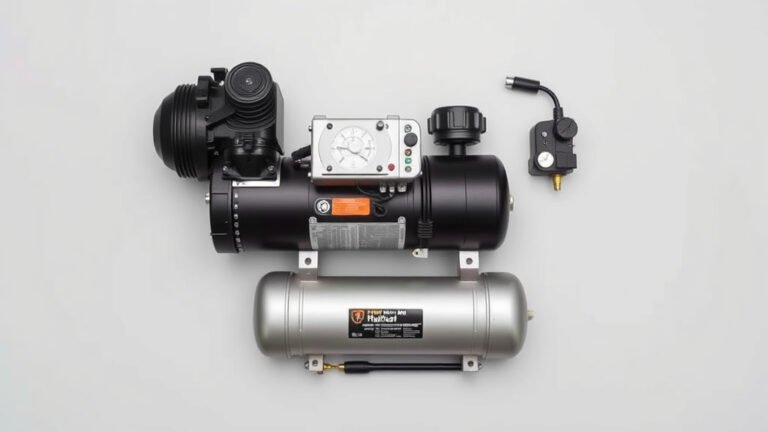
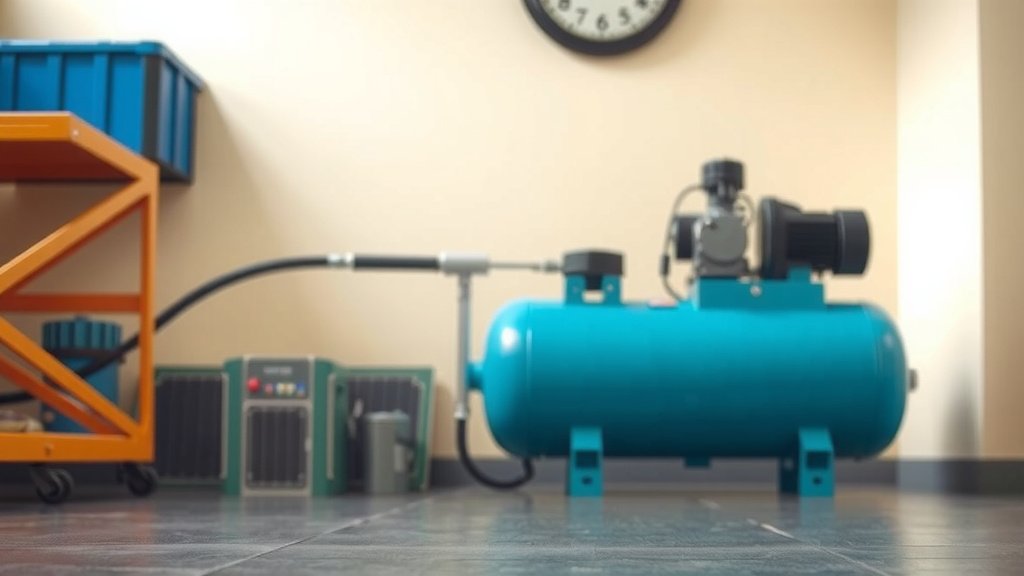
An air compressor is a much more powerful machine. It uses electricity or gasoline to drive a motor. This motor powers a mechanism that compresses air. It stores this high-pressure air in a tank. This means it can deliver a consistent and powerful stream of air on demand.
The Mechanics Behind the Power
Air compressors work by drawing in ambient air. A motor then compresses this air into a storage tank. This compression increases the air’s pressure. When you open a valve, the stored, high-pressure air is released. This release can be controlled for various applications. Many compressors have regulators to set the exact pressure you need.
Different Compressor Technologies
There are two main types of compressors: reciprocating and rotary screw. Reciprocating compressors are common for smaller, portable units. They use pistons to compress air, much like an engine. Rotary screw compressors are larger and more industrial. They use rotating screws to compress air more continuously.
For home use, you’re likely looking at reciprocating compressors. They can be oil-lubricated or oil-free. Oil-free models are generally quieter and require less maintenance. They are often a good choice for DIYers. Research indicates oil-free compressors are becoming more popular for their ease of use (U.S. Department of Energy).
When is an Air Compressor Necessary?
Air compressors are essential for tasks that require sustained airflow or high pressure. If you plan on using pneumatic tools, like nail guns or impact wrenches, a compressor is a must. These tools need a constant supply of compressed air to operate effectively.
They are also vital for tasks like spray painting. A compressor can provide the steady stream of air needed to atomize paint and create a smooth finish. You might also use one for inflating tires on heavy-duty vehicles like trucks or RVs, where higher pressures are needed. It’s the power behind many professional jobs.
Key Differences Summarized
Let’s boil down the core distinctions between these two tools. It all comes down to power source, pressure output, and intended use.
| Feature | Air Pump | Air Compressor |
|---|---|---|
| Power Source | Manual (human effort) | Electric motor or gasoline engine |
| Pressure Output | Lower pressure, variable | High pressure, consistent and controllable |
| Airflow | Intermittent, requires continuous effort | Continuous, stored supply |
| Portability | Highly portable, no power needed | Can be portable, but usually larger and needs power |
| Primary Use | Bicycle tires, balls, small inflatables, occasional car tire top-ups | Powering pneumatic tools, spray painting, inflating large items, heavy-duty tire inflation |
Making Your Choice: What’s Right for You?
Deciding between an air pump and an air compressor comes down to your specific needs and projects. Ask yourself what you’ll be using it for most often. Do you just need to keep your car’s tires properly inflated, or do you dream of tackling DIY projects that involve power tools?
For the Everyday User
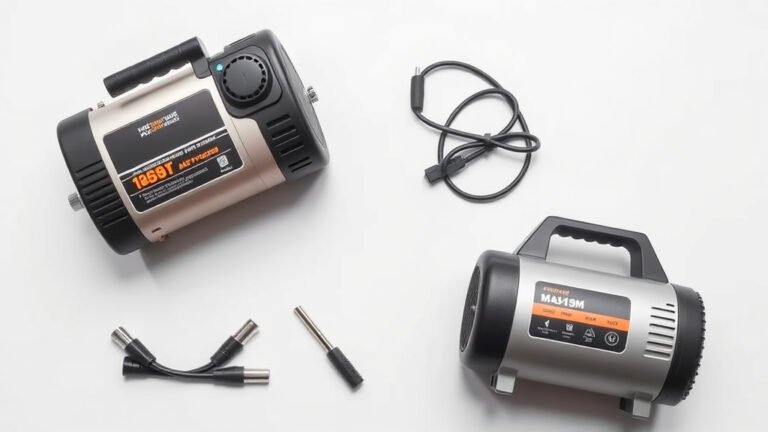
If your needs are simple, like inflating sports equipment or maintaining your car’s tire pressure, an air pump is likely your best bet. They are affordable, easy to use, and require no external power. A good quality bicycle floor pump can handle most car tire needs effectively. Many find a small, portable 12-volt compressor (which plugs into your car’s accessory outlet) bridges the gap nicely for car owners too.
For the DIY Enthusiast and Prosumer
If you’re getting serious about home improvement or working with tools, you’ll probably need an air compressor. Consider the types of tools you want to use. Nail guns, for example, require a certain CFM (cubic feet per minute) rating. Many experts recommend starting with a 2-gallon to 6-gallon compressor for common DIY tasks (Home Depot resource). Make sure it can meet the CFM requirements of your tools.
Think about the space you have, too. Compressors can be bulky. If you plan on doing a lot of painting, you might need a larger tank and a higher CFM rating. For occasional use with lighter tools, a smaller, portable compressor might be perfect. It’s about matching the tool’s capability to your ambitions.
A Quick Checklist for Your Decision
To help you finalize your choice, run through this quick checklist:
- What is your primary inflation need?
- Do you need high pressure or just a little boost?
- Will you be powering tools?
- How portable does the device need to be?
- What is your budget for this purchase?
- Do you have access to an electrical outlet for a compressor?
Conclusion
You’ve learned that air pumps and air compressors serve different needs. An air pump is your simple, portable solution for quick inflations. It’s perfect for sports gear and occasional tire top-offs. An air compressor brings serious power for larger projects. It’s essential if you plan to use pneumatic tools or paint.
Your choice depends on your projects. For basic needs, stick with a pump. For ambitious DIY or tool use, invest in a compressor. Consider your primary tasks and power availability to make the right decision for your toolkit. Now you’re ready to choose wisely!
Frequently Asked Questions
Can I use an air pump to power pneumatic tools?
No, you cannot use a standard air pump to power pneumatic tools. Air pumps generate much lower pressure and don’t provide the continuous airflow needed for tools like nail guns or impact wrenches. You will need an air compressor for these applications.
How often should I check my car’s tire pressure?
It’s recommended to check your car’s tire pressure at least once a month. You should also check them before long road trips. Properly inflated tires improve fuel efficiency and safety, and an air pump or a small portable compressor can help you maintain them.
Are oil-free air compressors better for home use?
Oil-free air compressors are often preferred for home use because they require less maintenance and are generally quieter. They are also cleaner, as there’s no risk of oil contamination in the air supply, which can be important for certain tasks like painting.
What is CFM and why is it important for air compressors?
CFM stands for Cubic Feet per Minute, and it measures the volume of air a compressor can deliver. Many pneumatic tools have specific CFM requirements to operate correctly. Ensuring your compressor’s CFM rating meets or exceeds your tool’s needs is vital for performance.
Can a portable air compressor inflate large items like air mattresses?
Yes, most portable air compressors can easily inflate large items like air mattresses. They deliver a higher volume and pressure of air much faster than a manual pump. Just ensure you use the correct nozzle attachment for your mattress.