Air Compressor vs Air Inflator: Which Is Best For You
When you need to add air to something, you might wonder if an air compressor or an air inflator is the right tool. For most common tasks like filling tires or sports balls, an air inflator is your best bet because it’s smaller, portable, and easier to use. Air compressors are more powerful and are typically used for larger jobs or with air-powered tools.
Choosing between them depends on the job’s size and power needs. An air inflator is perfect for quick top-offs on the go. A powerful air compressor is for when you need consistent, high-pressure air for extended periods or demanding applications. Think of it like using a screwdriver versus a power drill; both serve a purpose, but one is for lighter, more frequent tasks.
- Air inflators are best for small, portable jobs like car tires.
- Air compressors are for larger, high-pressure needs and powering tools.
- Think portability vs. power when deciding.
- Inflators are usually simpler and more affordable for everyday use.
Let’s break down what each tool can do and help you figure out which one is the perfect fit for your needs.
Choosing the Right Tool: Air Compressor vs. Air Inflator
You’ve got a low tire, a deflated basketball, or maybe a project that needs a bit of a boost. The question is, which air-providing gadget do you grab? Many people find themselves wondering about the difference between an air compressor and an air inflator. It’s a common question, and understanding their unique strengths will help you pick the right one for the job at hand.
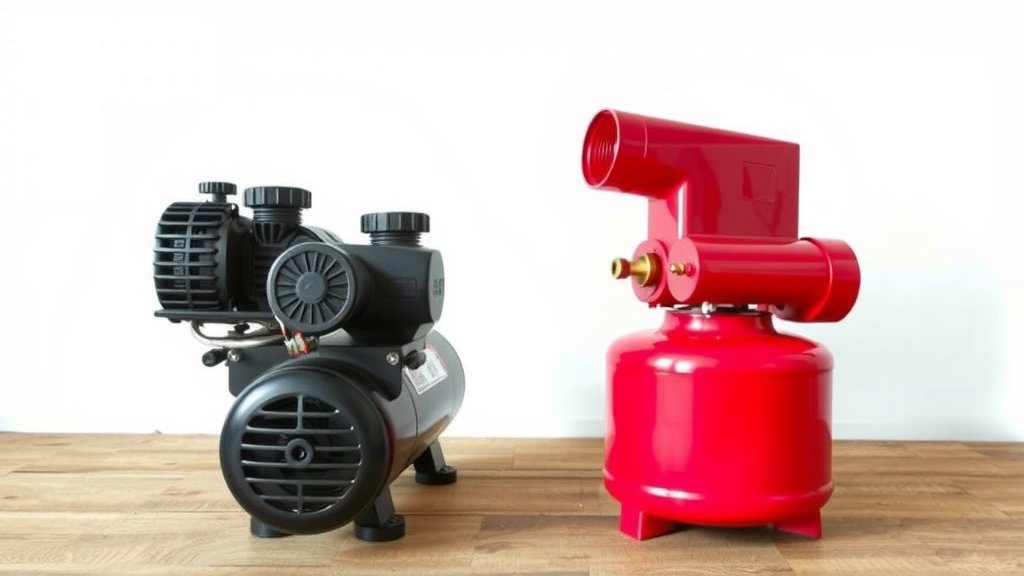
Think of it this way: an air inflator is like your handy pocket knife. It’s small, portable, and great for everyday tasks like topping off your car’s tires. An air compressor, on the other hand, is more like a power tool in your workshop. It’s built for bigger jobs and more demanding applications.
Let’s dig a bit deeper into what makes these two tools different. This will help you make an informed decision without any confusion.
What is an Air Inflator?
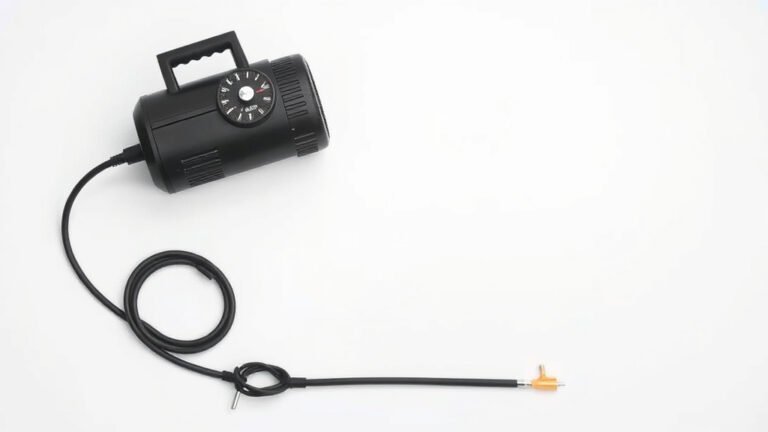
An air inflator, often called a tire inflator or portable air compressor, is a compact device designed for convenience. Its primary purpose is to quickly add air to low-pressure items. You’ll find they are quite common and easy to operate.
Common Uses for Air Inflators
The most frequent use for an air inflator is topping off car tires. Driving with properly inflated tires is essential for safety and fuel efficiency. We found that many drivers keep one in their car for emergencies or regular checks.
- Filling car, truck, and RV tires.
- Inflating bicycle tires.
- Adding air to sports equipment like basketballs, footballs, and soccer balls.
- Blowing up pool toys or small inflatable items.
How They Work and What to Expect
Most portable air inflators are electric. They plug into your car’s 12V outlet or a standard household wall socket. Some newer models are battery-powered, offering even more freedom.
They work by drawing in ambient air and pushing it through a hose. The pressure is usually displayed on a built-in gauge. While they can get the job done, they aren’t built for continuous, high-pressure output.
Many experts suggest that inflators are best for intermittent use. Trying to run them for extended periods might cause them to overheat. Their power is limited, so filling a large truck tire might take a little patience.
What is an Air Compressor?
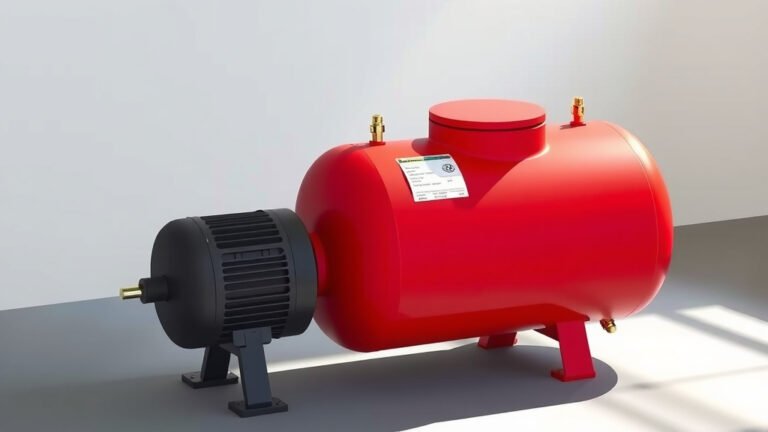
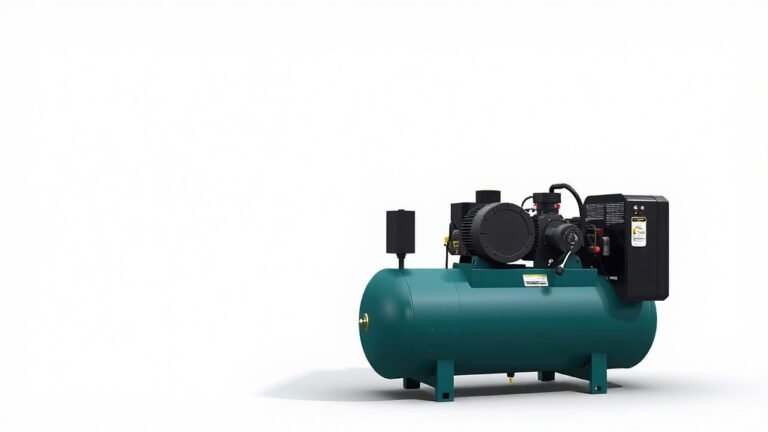
An air compressor is a more robust machine. Its main function is to convert power into potential energy stored in compressed air. This stored air can then be released to perform work.
Unlike inflators, compressors can generate much higher pressures and larger volumes of air. This makes them suitable for a wider range of applications, from DIY projects to industrial tasks.
Versatile Applications of Air Compressors
The power of an air compressor opens up a world of possibilities. They are a staple in many workshops and garages.
One of the biggest advantages is their ability to power air tools. Think of impact wrenches, spray paint guns, or nail guns. These tools require a consistent supply of high-pressure air to function correctly.
- Powering air-powered tools like nail guns and sanders.
- Inflating large tires, such as those on tractors or heavy machinery.
- Industrial cleaning with an air blow gun.
- Running pneumatic equipment in workshops.
Types of Air Compressors
Air compressors come in various sizes and types. The most common for home use are either Learn more about piston compressors and their tank sizes in our guide to 1-gallon vs 2-gallon air compressors.piston compressors or rotary screw compressors for larger industrial needs. Piston compressors are what most DIYers will encounter.
Piston compressors use a reciprocating piston to compress air. They are available in different tank sizes, from small portable units to larger stationary ones. The tank size dictates how much compressed air you have stored and ready to use.
We found that for home garage use, a 20-60 gallon tank is often a good balance of power and space. Smaller tanks are more portable but require more frequent cycling of the motor to maintain pressure.
Key Differences at a Glance
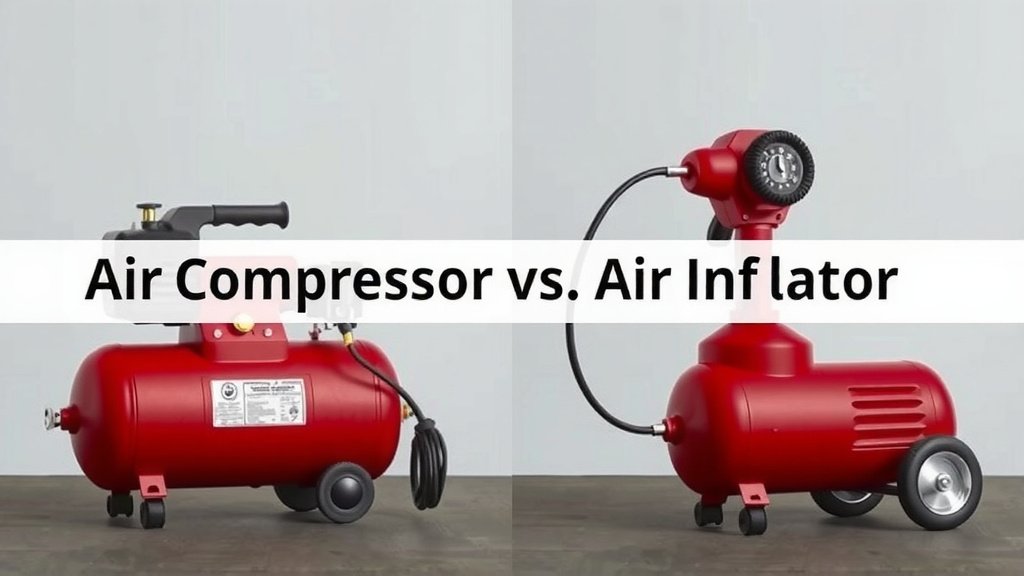
To make things super clear, let’s break down the main distinctions in a simple table. This should help you visualize the core differences between an air compressor and an air inflator.
| Feature | Air Inflator | Air Compressor |
|---|---|---|
| Portability | Very portable, often fits in a glove compartment. | Can range from portable to stationary and heavy. |
| Power Output | Low to medium pressure, suitable for tires and balls. | High pressure and volume, suitable for tools and large tasks. |
| Primary Use | Tire inflation, small inflatables, sports balls. | Powering air tools, large inflations, professional use. |
| Runtime | Best for short, intermittent use. | Can run for extended periods depending on size. |
| Complexity | Simple operation, plug-and-play. | Can be more complex, requires understanding of PSI and CFM. |
Which Tool is Right for You?
Now that you know the basics, let’s figure out which tool best suits your needs. The answer really depends on what you plan to do with it.
When to Choose an Air Inflator
If your primary need is to keep your car’s tires properly inflated, or if you need to quickly top up a basketball, an air inflator is likely your best choice. They are affordable and easy to use. Many drivers find having one offers great peace of mind.
Research suggests that properly inflated tires can improve your car’s handling and fuel economy. For these everyday tasks, an inflator gets the job done without unnecessary complexity or cost.
When to Choose an Air Compressor
Do you have a workshop where you tinker? Do you dream of using a nail gun for home improvement projects? If the answer is yes, then you’re probably in the market for an air compressor. They provide the power and volume of air needed for more demanding tasks.
Many sources point to air compressors as essential for tasks like painting with a spray gun or operating sanders. These applications require a continuous and powerful air supply that a simple inflator just can’t provide.
Making the Final Decision
To recap, think about your common tasks. If it involves tires, balls, or small inflatables, go for the portable air inflator. If you’re looking to power tools, tackle larger projects, or need sustained air output, an air compressor is the way to go.
Don’t overbuy if you don’t need the power! And conversely, don’t get frustrated trying to make an inflator do the work of a compressor. Matching the tool to the task is key to efficiency and satisfaction.
Quick Checklist for Your Decision
Still on the fence? Ask yourself these quick questions:
- Do you need to inflate car tires regularly?
- Are you powering air tools for DIY projects?
- Do you need something highly portable for on-the-go use?
- Is a powerful, continuous air supply a priority?
- What is your budget for this tool?
- Do you have space for a larger compressor if needed?
Conclusion
So, you’ve got a clearer picture of air compressors versus air inflators. Remember, your everyday needs likely point to a portable air inflator for quick tire top-offs or sports balls. For those bigger projects, powering tools, or needing serious air volume, an air compressor is your reliable workhorse. Don’t get a tool that’s overkill or underpowered for your tasks.
Your best bet is to match the tool to the job you do most often. Consider what you’ll use it for regularly, and choose wisely to save yourself time and frustration down the road. Now go pick the perfect air tool for your needs!
Frequently Asked Questions
Can I use an air inflator to paint a wall?
No, you generally cannot use a portable air inflator for painting a wall. Inflators are designed for low-pressure, intermittent tasks like filling tires. Painting requires a high volume of air delivered consistently, which only an air compressor can provide.
How long does it take to fill a car tire with an air inflator?
Filling a car tire with a portable air inflator usually takes about 5 to 10 minutes, depending on how low the tire is and the power of the inflator. They are meant for quick top-offs, not for rapid inflation from completely flat.
Are air compressors safe to use indoors?
Many smaller air compressors are safe for indoor use, especially if they are electric and designed for home garages or workshops. However, always check the manufacturer’s manual for specific safety guidelines, ventilation requirements, and noise level considerations before operating one indoors.
Can an air inflator power a nail gun?
Absolutely not. Air inflators lack the necessary pressure and volume of air to operate a nail gun or any other pneumatic tool. Those tools require the consistent, high-pressure air supply that only an air compressor can deliver.
What PSI should I aim for when inflating my car tires?
You should always check your car’s driver-side doorjamb or owner’s manual for the recommended tire pressure, usually listed in PSI. Most passenger car tires are inflated to between 30-35 PSI, but it can vary. An air inflator or compressor with a gauge will help you reach this target.