How a Two-Stage Air Compressor Works Explained
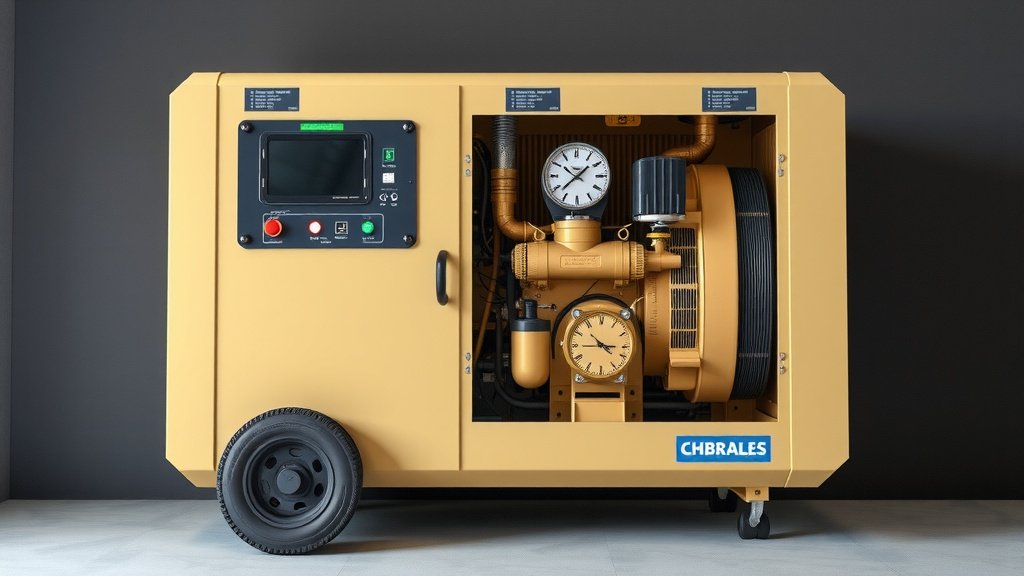
A two-stage air compressor works by using two separate cylinders to compress air. It first compresses air in a larger cylinder and then sends it to a smaller cylinder for a second compression. This process allows for To understand the difference, our guide on 1 cylinder vs 2 cylinder air compressors explains the mechanics.higher air pressure and is much more efficient than single-stage models, making it ideal for demanding tasks. You’ll often find them powering larger tools and industrial equipment.
Think of it like this: a two-stage compressor gives air a “boost” to reach its full potential. The initial compression gets the air mostly ready, and the second stage refines it for maximum output. This dual-action approach means you get a more consistent and powerful supply of air, which is a big deal when you need it for heavy-duty jobs like sandblasting or running multiple air tools at once.
- Two-stage compressors use two cylinders for air compression.
- A smaller cylinder compresses the air further after the first stage.
- This leads to higher pressure and better efficiency.
- Great for tough jobs like powering nail guns or sanders.
- More powerful and consistent air supply than single-stage units.
Ready to see how this clever two-step process actually happens? Let’s dive into the mechanics of a two-stage air compressor so you can understand what’s going on under the hood.
How a Two-Stage Air Compressor Gets the Job Done
You’re probably wondering how that extra bit of power comes from a two-stage compressor. It’s all about two steps working together. Think of it as giving air a double-squeeze to really pack it in. This method creates a higher pressure than you’d get from a single squeeze. Let’s break down the mechanical magic.
The Compression Process: Step-by-Step
At its core, an air compressor works by taking in atmospheric air and squeezing it into a smaller volume. This squeezing action is called compression. A two-stage compressor simply does this squeezing in two separate actions or stages. This is where the real efficiency gains and higher pressure come from.
Stage One: The First Squeeze
The journey begins in the first cylinder. This cylinder is typically larger than the second one. A piston moves up and down inside it. As the piston moves down, it draws in air from the atmosphere through an intake valve.
Once the cylinder is full of air, the piston moves back up. This upward motion closes the intake valve and compresses the air. The air is squeezed into a smaller space. This raises its pressure and temperature. This first compression step usually brings the air up to about 90-100 PSI (pounds per square inch). It’s a good start, but we’re not done yet!
Stage Two: The Finishing Squeeze
After the first cylinder compresses the air, it’s then routed to a second, smaller cylinder. This is where the “two-stage” magic really happens. The air from the first cylinder enters this smaller cylinder.
A second piston, usually smaller and faster-moving than the first, takes over. This piston compresses the air even further. It squeezes the air down to its final, much higher pressure. This is often in the range of 150-175 PSI or even higher, depending on the compressor’s design. You’ve now got seriously compressed air!
Cooling Between Stages
You might be surprised to learn that air heats up a lot during compression. This is a basic principle of physics. When air is squeezed, its molecules move faster, generating heat. If the air gets too hot, it can reduce efficiency and potentially damage the compressor’s components.
That’s why most two-stage compressors include an intercooler between the first and second stages. This intercooler is usually a set of tubes or fins. It allows the hot, compressed air from the first cylinder to cool down before it enters the second cylinder. This cooling step is vital. It helps maintain efficiency and protects the equipment. Many guidelines suggest keeping internal temperatures down for optimal performance (National Energy Technology Laboratory).
The Role of Valves
Valves are the unsung heroes of the compressor. They control the flow of air. In a two-stage compressor, there are intake and discharge valves for each cylinder.
When the piston moves down, the intake valve opens, letting air in. When the piston moves up, the intake valve closes, and the discharge valve opens. This allows the compressed air to be pushed out to the next stage or to the storage tank. The precise timing and operation of these valves are critical for smooth and efficient compression.
Why Two Stages Are Better for Tough Jobs
So, why go through all this trouble with two stages? The main benefit is achieving higher pressures. Single-stage compressors typically max out around 90-120 PSI. Two-stage units can easily reach 175 PSI and beyond. This higher pressure is essential for many demanding applications.
Think about tools that require a lot of air power. Sandblasters, for instance, need a consistent high-pressure air supply to work effectively. Impact wrenches, paint sprayers, and even large nail guns benefit greatly from the steady, powerful air delivery that a two-stage compressor provides. You get more work done, faster and more efficiently.
Efficiency: The Hidden Advantage
Beyond just pressure, two-stage compression is also much more energy-efficient. Compressing air generates heat. As we learned, hot air is less dense, meaning you need to compress it more to reach a certain pressure. This takes more energy.
By cooling the air between stages, the two-stage compressor reduces the amount of energy needed for the second compression. Research shows that intercooling can significantly improve the overall efficiency of the compression process. This means you use less electricity to produce the same amount of compressed air compared to a single-stage unit. Over time, these energy savings can add up considerably!
Putting it All Together: The Air Tank
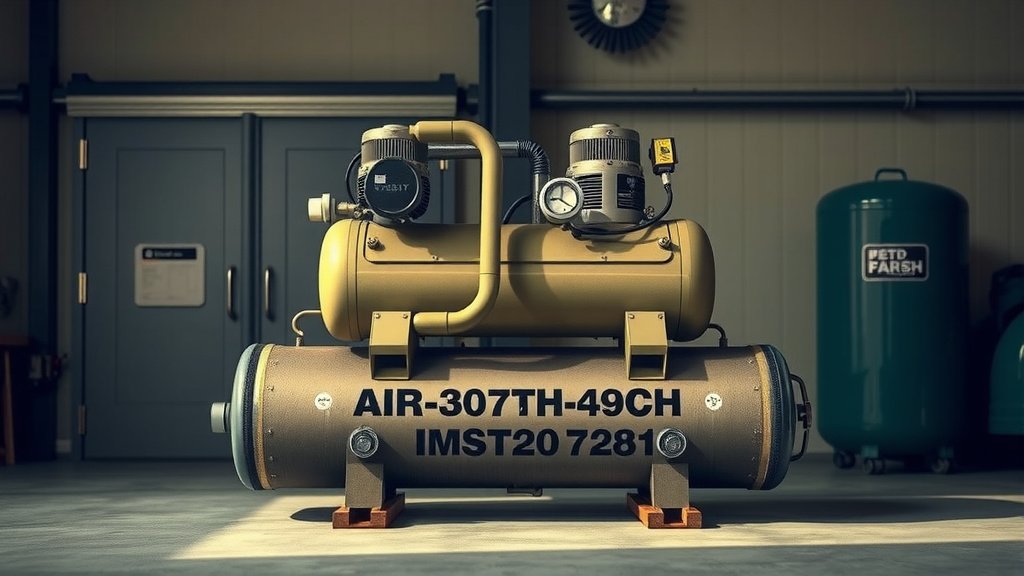
Once the air has been compressed in the second stage, it’s ready for storage. It travels through a pipe to the compressor’s air receiver tank. This tank acts as a reservoir, holding the compressed air until you need it.
The tank ensures a steady supply of air. When you use your air tools, the air is drawn from the tank. The compressor then kicks back on to refill the tank as needed. This system prevents the compressor from having to run constantly. It also smooths out any minor fluctuations in air delivery.
Key Components Recap
Let’s quickly recap the main parts you’ll find in most two-stage compressors:
- Cylinders: Two of them, one larger, one smaller, for sequential compression.
- Pistons: These move within the cylinders to compress the air.
- Valves: Intake and discharge valves control air flow.
- Intercooler: Cools the air between the two compression stages.
- Air Receiver Tank: Stores the compressed air for use.
- Motor: Provides the power to drive the pistons.
What You Can Expect from a Two-Stage Compressor
When you choose a two-stage air compressor, you’re opting for performance and reliability. Here’s what you can generally expect:
- Higher maximum air pressure output.
- More consistent and powerful airflow.
- Increased energy efficiency, saving on electricity bills.
- Better suitability for continuous or heavy-duty use.
- Quieter operation compared to some single-stage models (due to lower RPMs often).
Conclusion
You’ve now seen how a two-stage air compressor uses its unique dual-cylinder design to deliver superior performance. By compressing air in two stages with an intercooler, you get higher pressures and better efficiency than single-stage units. This means your demanding tools get the power they need to perform their best. If you’re looking to tackle tougher jobs or simply want a more efficient air supply, understanding this two-step process is key. Consider upgrading to a two-stage model for your next compressor purchase and experience the difference in your workshop.
Frequently Asked Questions
What’s the main advantage of a two-stage compressor over a single-stage one?
The main advantage is achieving much higher air pressure and greater energy efficiency. Two-stage units can typically reach 175 PSI or more, while single-stage units often top out around 120 PSI. This makes them better suited for heavy-duty tools and applications.
Does the intercooler really make that big of a difference?
Yes, the intercooler plays a vital role in efficiency and performance. By cooling the air between compression stages, it reduces the energy needed for the second compression and helps prevent overheating. This leads to a more consistent and powerful air output.
Are two-stage compressors louder than single-stage ones?
Generally, two-stage compressors can be quieter. They often operate at lower RPMs compared to single-stage models to achieve higher pressures. This lower speed can result in less operational noise, making them more pleasant to use in some environments.
How do I know if I need a two-stage compressor for my tools?
If you regularly use high-demand air tools like sandblasters, large impact wrenches, or multiple tools simultaneously, you’ll benefit from a two-stage compressor. Check the PSI requirements for your specific tools; if they need more than 120 PSI, a two-stage is likely necessary.
Can a two-stage compressor help me save money on electricity?
Yes, due to their increased energy efficiency, two-stage compressors can help reduce your electricity bills over time. They require less energy to produce the same amount of compressed air compared to single-stage units, especially when running for extended periods.