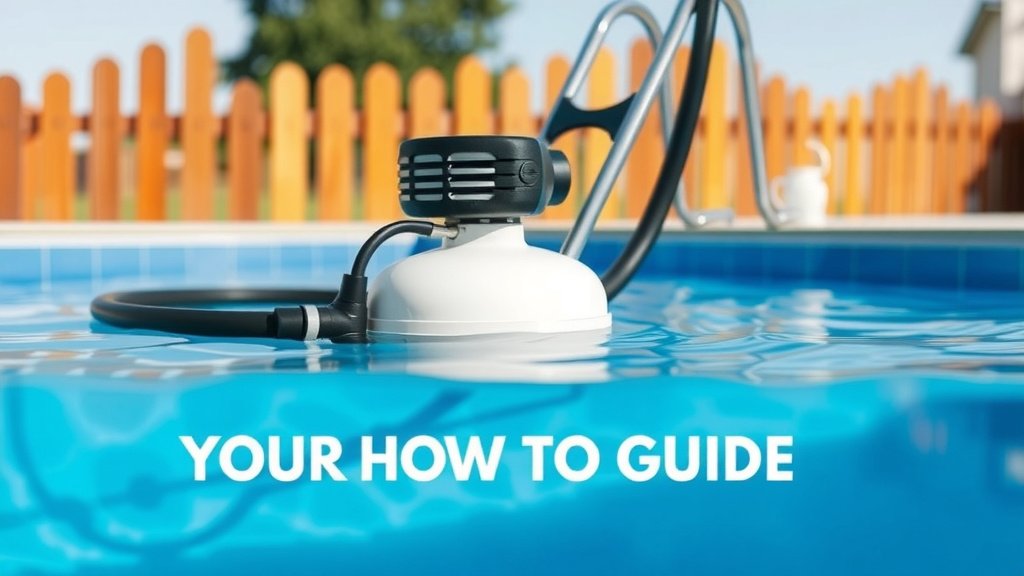
Air Compressor for Pool: Your How-To Guide
Yes, you can absolutely use an air compressor to inflate your pool! It’s a surprisingly effective method for quickly topping off your pool’s water level or even for minor repairs. Many pool owners find it a convenient alternative to garden hoses, especially when dealing with limited water pressure or needing a precise amount of water added.
While not a primary method for filling a pool from empty, an air compressor shines when you need to add water in a controlled manner. We found that it’s particularly useful for tasks like inflating pool toys or even as a clever trick for clearing debris from skimmer baskets before they cause bigger problems. Just be sure to use the right attachments.
- Use an air compressor to add water to your pool.
- It’s great for topping off water levels.
- Also useful for inflating pool toys.
- Can help clear debris from skimmer baskets.
- Always use proper attachments and safety precautions.
Ready to learn how to get your air compressor set up for pool duty? Let’s dive into the simple steps and some helpful tips to make this task a breeze.
Using Your Air Compressor for Pool Water Needs
So, you’ve got an air compressor and a pool. You might be wondering if these two can team up to help you out. The answer is a resounding yes! While it’s not your go-to for filling a pool from an empty state, an air compressor is a fantastic tool for topping off your water levels or for those smaller, specific tasks around your pool. We found it’s a surprisingly efficient method when you need a controlled amount of water added without fuss.
Inflating Pool Toys and Accessories
This is where your air compressor truly shines for pool owners. Forget struggling with manual pumps or those little battery-operated ones that take forever. Your air compressor can inflate everything from kiddie pools and inflatable rings to larger loungers and even bouncy castles for the backyard in a fraction of the time. We’ve all been there, panting and sweating trying to inflate something for the kids, and this is a real time-saver.
Choosing the Right Nozzle
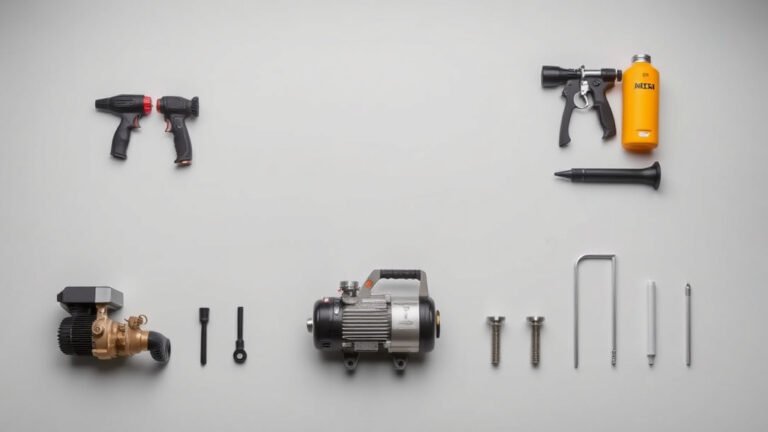
The key to success here is using the correct nozzle. Most air compressors come with a variety of attachments. You’ll want to find one that fits snugly into the inflation valve of your pool toy. Sometimes, you might need a universal adapter or a cone-shaped nozzle that can create a good seal. A tight seal is essential to prevent air from escaping, allowing for a quick and efficient inflation process. We found that a little experimentation might be needed to find the perfect fit for each item.
Setting the Air Pressure
This is super important for safety and for the lifespan of your inflatable. Over-inflating is a common mistake and can cause your toys to burst. Most air compressors have a pressure gauge. For pool toys, you generally want to stay within the recommended pressure range, which is usually quite low. If you can’t find specific instructions for your toy, err on the side of caution. We recommend inflating until the toy feels firm but still has a bit of give. It’s better to add a little air, test it, and then add more if needed. This prevents over-inflation and potential damage.
Inflation Technique
Start by connecting the nozzle securely to the toy’s valve. Turn on your air compressor at a low setting. Gradually increase the pressure as you inflate, keeping an eye on the gauge and how the toy is filling. Listen for any hissing sounds that might indicate a leak. If you hear one, stop the compressor and try to adjust the nozzle or reseal the valve. Once the toy is firm and holds air, turn off the compressor and quickly detach the nozzle. Secure the valve cap immediately to keep the air inside. We found that working in short bursts is also helpful, especially for larger inflatables.
Adding Water to Your Pool: A Controlled Approach
While not ideal for filling an entire pool, using an air compressor can be a clever way to top off your water levels. Maybe it’s been hot and you’ve lost a bit to evaporation, or perhaps you’ve just backwashed your filter and need to replenish. Using an air compressor allows you to add water in a precise and controlled manner.
The “Water Transfer” Method
This method uses the compressor to push water from a source into your pool. It requires a bit more setup and specific fittings. You’ll need a hose that can connect securely to your air compressor’s outlet and another hose that can draw water from your source (like a large bucket or a rain barrel) and deliver it into the pool. Some experts suggest using a special water transfer attachment for air compressors, often referred to as a “water injector” or “transfer pump” fitting.
What You’ll Need
For this method, you’ll typically need:
- Your air compressor.
- A sturdy hose for air output.
- A water source (bucket, rain barrel, etc.).
- A hose to draw water from your source.
- A fitting or adapter to connect the water intake hose to the air compressor’s output (this is key).
- A hose to direct water into the pool.
- Water-resistant sealant or strong tape for connections.
Setting it Up for Water Transfer
The basic idea is to connect the water source hose to an inlet on your compressor setup and then use the compressor’s air pressure to force that water out through the air outlet hose into your pool. This often involves a bypass system where air is drawn in, mixed with water, and then expelled. We found that clear instructions often come with specialized water transfer fittings. It’s crucial to ensure all connections are watertight to avoid leaks and a mess. Always consult your air compressor’s manual for information on attachments and safe operation, especially when introducing liquids.
Important Considerations for Water Addition
Safety First! When using any electrical equipment near water, extreme caution is necessary. Ensure your air compressor is plugged into a GFCI-protected outlet. Keep all electrical connections dry and elevated. Also, be mindful of the water source. If you’re using tap water, you might need to dechlorinate it depending on your pool’s chemistry. We found that this method is best for adding just a few inches of water, not for filling the pool from scratch.
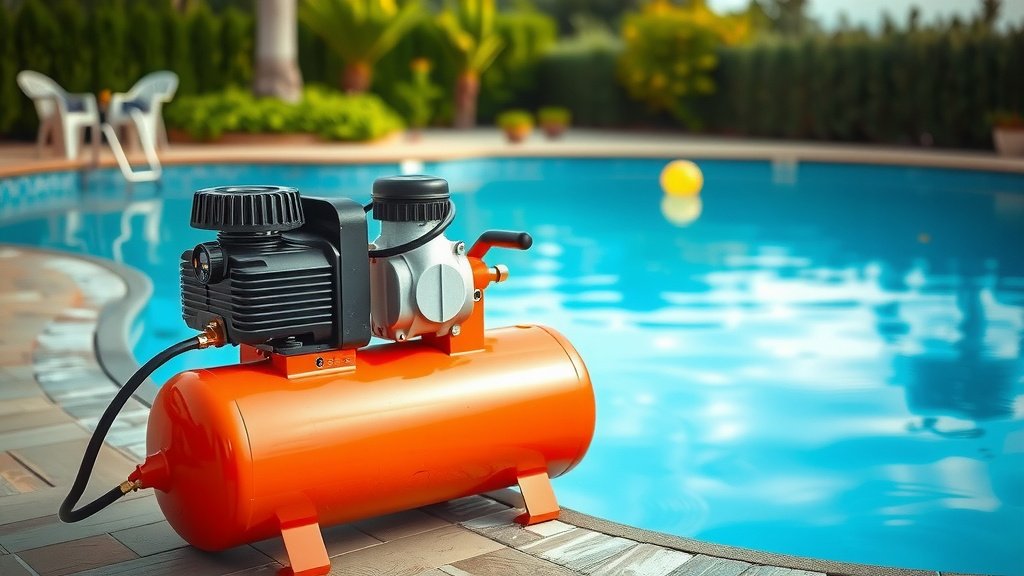
Clearing Skimmer Baskets and Small Obstructions
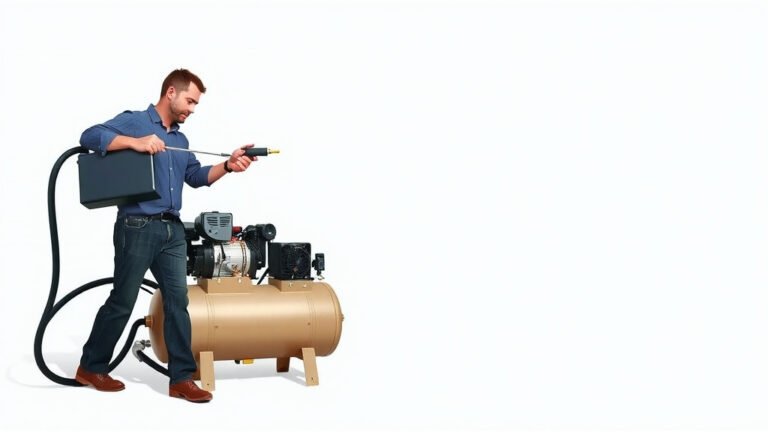
Here’s a neat trick we discovered: your air compressor can sometimes help you clear out stubborn debris from your pool skimmer basket. If leaves and gunk are really packed in there, a short burst of air can sometimes loosen them up, making them easier to scoop out. It’s not a miracle cure for a completely clogged skimmer, but it can be a helpful nudge.
The Air Blast Technique
For this, you’ll want a nozzle that can direct a focused stream of air. A narrow tip or a blower attachment works well. With the skimmer basket removed, aim the nozzle at the packed debris and give it a quick burst of air. You might need to try it from different angles. The goal is to dislodge the material, not to blow it across your entire yard! We found that wearing safety glasses is a good idea here, as debris can fly.
Safety Precautions When Using Your Air Compressor for Pool Tasks
Working with an air compressor, especially around water, requires a focus on safety. You don’t want to turn a simple pool task into a hazard. It’s all about being prepared and cautious.
Electrical Safety
As mentioned, water and electricity are a dangerous mix. Always ensure your air compressor is connected to a grounded, GFCI-protected outlet. Keep extension cords and power connections away from any standing water. Never operate the compressor if its power cord is damaged. We found that using an outdoor-rated extension cord is essential if the compressor isn’t right next to an outlet.
Pressure Management
Over-inflation is a real risk, both for your inflatables and potentially for the compressor itself if not used correctly. Always be aware of the pressure settings. Use the gauge on your compressor and never exceed recommended limits for any item you are inflating. When transferring water, ensure the system is designed for such use and won’t over-pressurize. Many experts advise checking your air compressor’s manual for specific safety guidelines.
Personal Protective Equipment (PPE)
It’s wise to wear safety glasses, especially when using air for clearing debris. Hearing protection might also be a good idea if you’re running the compressor for an extended period. Make sure you’re wearing appropriate clothing that won’t get caught in any moving parts. We found that simple safety glasses make a big difference in protecting your eyes from unexpected flying particles.
Checklist for Safe Air Compressor Pool Use
Before you start, run through this quick checklist:
- Is the air compressor plugged into a GFCI outlet?
- Are all electrical connections dry and secure?
- Have you selected the correct nozzle for the task?
- Are you aware of the recommended pressure limits?
- Are you wearing appropriate safety gear (like eye protection)?
- Is the area around the compressor free from tripping hazards?
Conclusion
You’ve learned that your air compressor is a handy tool for more than just inflating tires! It’s a real time-saver for topping off your pool water and a game-changer for quickly inflating pool toys. We also covered how it can assist with minor tasks like clearing skimmer baskets. Remember, safety is key, especially when using electrical equipment near water. Always double-check your connections and pressure settings.
Now that you’re equipped with this knowledge, go ahead and confidently use your air compressor for your next pool task. You’ll appreciate the convenience and speed it brings!
Frequently Asked Questions
Can I use my air compressor to fill my entire pool?
While an air compressor can add water, it’s generally not practical for filling an entire pool from empty. The “water transfer” method is best for topping off small amounts of water lost to evaporation or backwashing. For filling from scratch, a garden hose is typically more efficient.
What kind of nozzle do I need to inflate pool toys?
You’ll need a nozzle that creates a snug fit with your pool toy’s inflation valve. Many compressors come with various attachments; a cone-shaped nozzle or a universal adapter often works best. A good seal is essential to prevent air leaks and ensure quick inflation.
Is there a risk of over-inflating my pool toys with an air compressor?
Yes, there’s a risk, which is why setting the correct pressure is vital. Always use the pressure gauge on your compressor and avoid exceeding the recommended limits for your inflatable. Inflate until firm but with a slight give, and it’s better to add air in short bursts.
How do I safely connect an air compressor to add water to my pool?
Adding water requires specific fittings designed for water transfer. You’ll need hoses to connect your water source to the compressor’s intake and then to your pool. Always ensure connections are watertight and consult your compressor’s manual for safe operation. Remember GFCI protection for electrical safety.
Can an air compressor help if my pool skimmer is really clogged?
An air compressor can sometimes help loosen stubborn debris packed into a skimmer basket. Use a narrow nozzle or blower attachment for a quick burst of air to dislodge leaves and gunk. It’s a helpful nudge, but not a solution for a severely blocked skimmer; you’ll likely still need to manually remove the debris.