Air Compressor for Tires: Gas Station Guide
Yes, using the air compressor at a gas station to fill your car tires is quite simple and quick. You just need to know a few steps, like how to connect the hose and set the desired tire pressure. We found that most people can do it in under five minutes per tire.
Keeping your tires properly inflated is really important for your safety and your car’s performance. Underinflated tires can lead to poor handling and increased wear. Overinflated tires can cause a rougher ride and also wear unevenly. This guide will help you get it right every time.
- Find the air pump at the gas station.
- Check your car’s recommended tire pressure.
- Connect the air hose to your tire valve.
- Set your desired pressure on the machine.
- Inflate until it reaches the target.
Below, we’ll walk you through each step of using a gas station air compressor so you can confidently keep your tires in tip-top shape.
Your Guide to Using Gas Station Air Compressors for Tires
Filling your car’s tires with air at a gas station is a common task. Many drivers rely on these machines to keep their tires properly inflated. It’s a skill every driver should have. We found that mastering this simple process can save you money and improve your car’s performance.
Step 1: Find the Right Spot and Check Your Tires
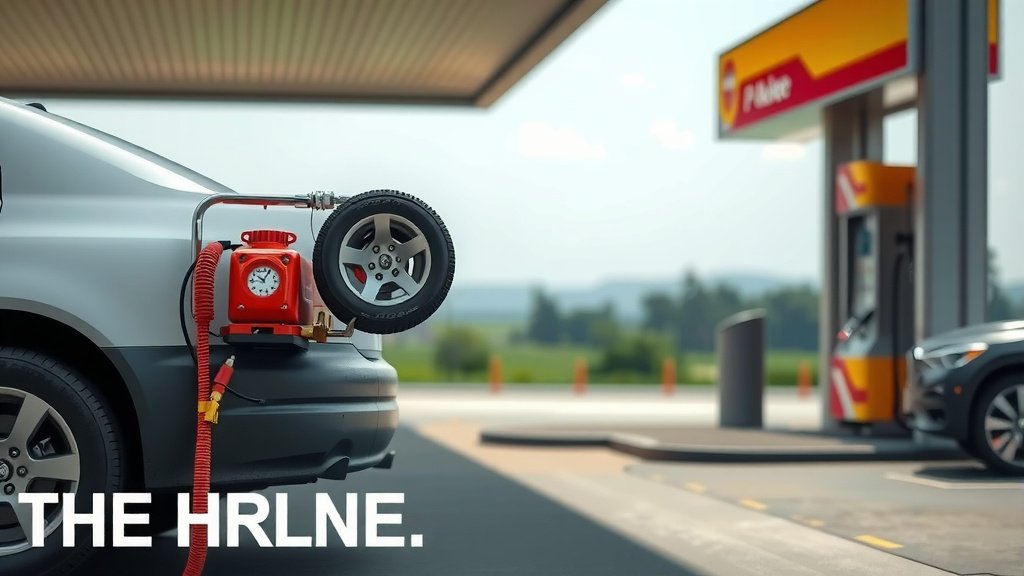
First, you need to locate the air compressor at your gas station. They are usually found near the gas pumps or sometimes in a separate bay. Look for the familiar air hose and pressure gauge. It’s a good idea to do this when your tires are cold. This means driving the car for no more than a mile or two before stopping. The heat from driving can affect the tire pressure reading.
Locating the Air Pump
Most gas stations offer this service. You’ll see a machine with a long hose and a nozzle. Sometimes, these machines are free. Other times, you might need to insert coins or pay a small fee. We found that checking the machine before you start is wise. Look for any instructions or payment requirements posted on it.
Knowing Your Recommended Tire Pressure
This is a really important step. You need to know the correct air pressure for your specific car tires. Overinflating or underinflating can cause problems. Where do you find this information? Your car’s driver’s side doorjamb usually has a sticker. You can also check your owner’s manual. The number on the tire sidewall is the maximum pressure it can hold, not the recommended pressure for your vehicle. We found that the doorjamb sticker is the most reliable source.
| Location of Tire Pressure Information | What it Means |
|---|---|
| Driver’s Side Doorjamb Sticker | Recommended cold tire inflation pressure for your vehicle. |
| Owner’s Manual | Official specifications for your car’s tires. |
| Tire Sidewall | Maximum cold tire pressure the tire can safely hold, not your vehicle’s requirement. |
It’s best to aim for the recommended PSI (pounds per square inch). Your car manufacturer sets this for optimal performance and safety. We found that most passenger cars need between 30-35 PSI. But always check your specific recommendation.
Step 2: Connecting the Air Hose and Setting the Pressure
Once you know your target PSI, it’s time to connect the air hose. This part is often the trickiest for new users. Don’t worry, it’s easier than it looks!
Connecting the Hose to the Tire Valve
First, you need to remove the valve cap from your tire. The valve stem is a small, black or metal nipple sticking out from the wheel. Unscrew the cap and keep it somewhere safe. Then, take the nozzle from the air compressor hose. Push it firmly onto the tire’s valve stem. You should hear a slight hiss of air escaping for a second. This is normal. Make sure the connection is snug. If you don’t get a good seal, you might lose air. We found that pressing down firmly and holding it steady helps create a good connection.
Setting Your Desired Tire Pressure
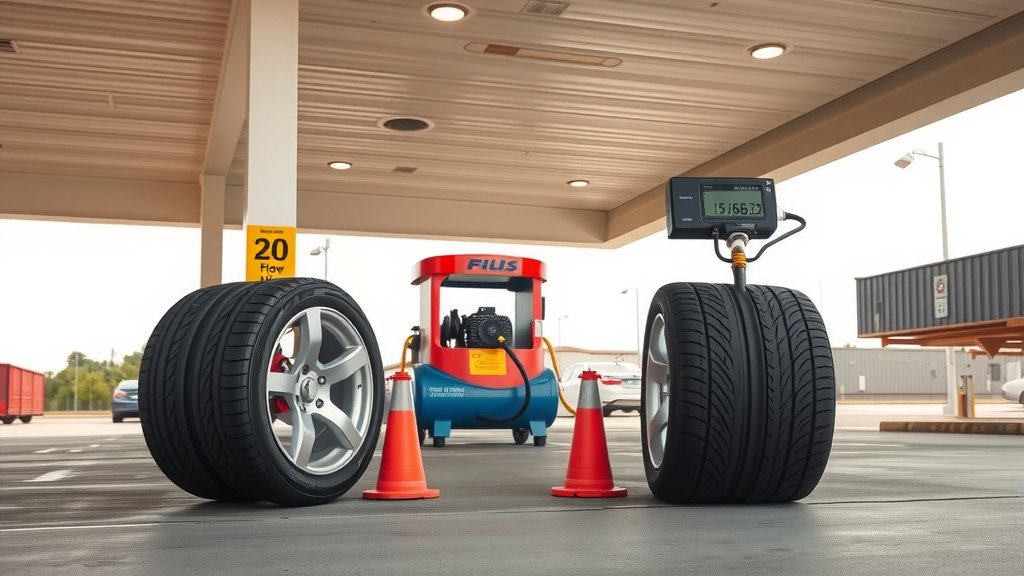
Most modern air compressors at gas stations have digital displays. You’ll see buttons to increase or decrease the target pressure. Many have preset buttons for common PSI levels too. We found that using the digital display to input your exact recommended PSI is the most accurate method. Take a moment to set the machine to the PSI you noted from your car’s doorjamb sticker. If you’re using a coin-operated machine, you might have a limited time, so be ready.
Step 3: Inflating Your Tires and Monitoring the Pressure
Now comes the actual inflation part. This is where you’ll see the magic happen.
The Inflation Process
Once the hose is securely connected and the target pressure is set, the compressor will start working. You’ll hear it humming. The gauge on the machine will show the current pressure rising. If you’re using a newer machine, it might automatically shut off when it reaches the target PSI. If it doesn’t, you’ll need to keep an eye on the gauge. We found that older machines might require you to manually stop the flow of air.
Knowing When to Stop
Watch the pressure gauge closely. As the air fills the tire, the PSI number will climb. When it reaches your target number, you need to stop the flow of air. If the machine doesn’t shut off automatically, quickly but carefully pull the nozzle straight off the valve stem. If you overfill it, don’t panic. You can release some air by pressing the small pin in the center of the valve stem with a fingernail or a small tool. We found that releasing a little air at a time and then rechecking is better than releasing too much.
After you’ve reached the correct pressure, screw the valve cap back onto the valve stem. This protects the valve from dirt and moisture. Repeat this process for all four tires.
Quick Checklist for Using the Air Pump
- Park near the air pump.
- Find your car’s recommended tire pressure.
- Remove the valve cap from one tire.
- Connect the air hose nozzle securely.
- Set the machine to your target PSI.
- Inflate until the correct pressure is reached.
- Replace the valve cap.
Using the gas station air compressor is a straightforward task. You’ve got this! Following these steps ensures your tires are filled correctly and safely. It’s a small bit of maintenance that makes a big difference in your drive. We found that once you do it a couple of times, it becomes second nature.
Conclusion
You’ve now got the confidence to use any gas station air compressor for your tires. Remember, knowing your car’s recommended PSI is the most important first step. Connecting the hose firmly and monitoring the pressure as it fills are key to getting it just right. We found that taking just a few minutes to check and adjust your tire pressure can greatly improve your car’s safety and efficiency. Next time you see a low tire warning, don’t hesitate – you’re ready to tackle it yourself!
Frequently Asked Questions
How much does it cost to use a gas station air compressor?
Many gas stations offer air compressors for free as a courtesy. Others may charge a small fee, often around a dollar or so, which you might pay by inserting coins or using a credit card. We found that checking the machine for any instructions or payment requirements before you start is always a good idea.
What if the gas station air pump doesn’t have a gauge?
If a gas station air pump lacks a built-in gauge, you’ll need to use a separate tire pressure gauge. You would inflate the tire in short bursts, remove the pump nozzle, and check the pressure with your gauge. Repeat this process until you reach your target PSI. We found this method takes a little more patience but is perfectly effective.
Can I use the gas station air compressor for my bike tires?
Yes, you usually can, but you might need an adapter. Most gas station air hoses use Schrader valves, which are common on car tires and some bicycle tires. If your bike has Presta valves, you’ll likely need a small adapter to connect the pump. We found that carrying a small adapter in your cycling gear is a smart move.
Is it okay to put air in my tires when they are hot?
It’s best to check and inflate your tires when they are cold. Driving heats up your tires, increasing the air pressure inside. If you inflate them while hot, the pressure will be lower when they cool down, potentially leaving them underinflated. We found that letting your car sit for at least three hours or driving less than a mile before checking ensures accuracy.
What happens if I accidentally overinflate my tire?
Don’t worry if you overinflate a tire; it’s easily fixable. Most air hose nozzles have a small button or pin you can press to release air. You can also use the tip of your tire pressure gauge or even a key to press the small pin in the center of the tire valve stem. We found that releasing air in short bursts and rechecking the pressure is the safest way to correct overinflation.