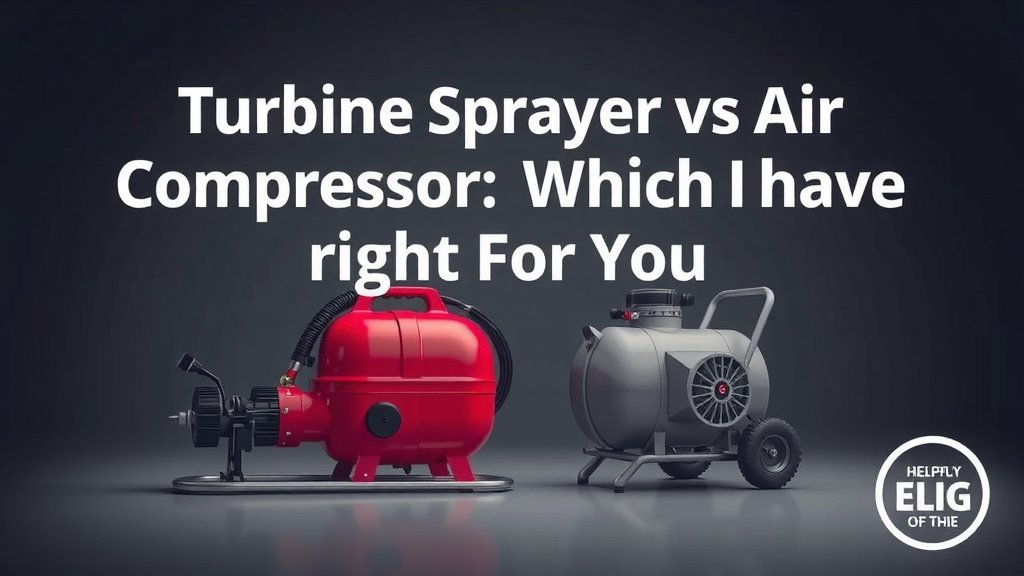
Turbine Sprayer vs Air Compressor: Which Is Right For You
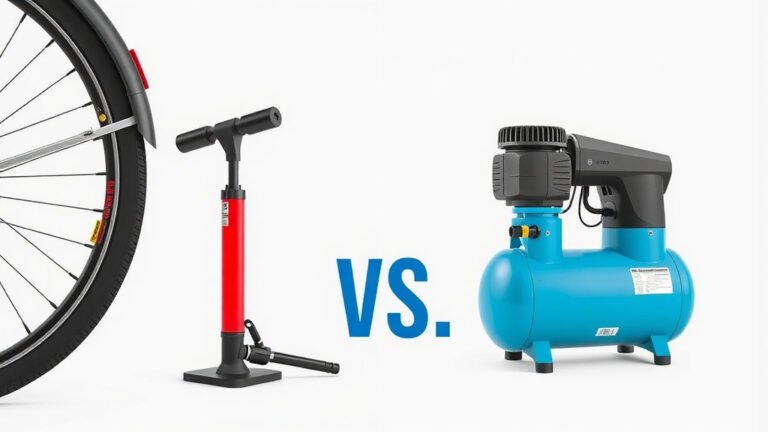
When choosing between a turbine sprayer and an air compressor for your painting projects, it’s helpful to understand their core strengths. For fine finishes and portability, a turbine sprayer often takes the lead, while an air compressor provides more power and versatility for a wider range of tasks.
We found that many DIYers and professionals weigh these factors carefully. Think about the size of your projects and the types of coatings you’ll be using. A turbine is generally easier to set up for small to medium jobs, especially if you don’t have an existing compressor. But if you need to tackle larger areas or use thicker paints, an air compressor might be the better investment. Both can help you achieve great results, but they have distinct advantages. Our guide to 1-gallon vs 2-gallon air compressors can help you choose the right size.
- Turbine sprayers are great for fine finishes and portability.
- Air compressors offer more power and versatility.
- Consider project size and paint type.
- Turbines are simpler for smaller jobs.
- Compressors are better for larger areas or thicker paints.
Let’s dive into the specifics of each to help you decide which sprayer is the right fit for your next painting adventure.
Turbine Sprayer vs. Air Compressor: Which Painting Tool Is Right for You?
When you’re ready to paint, the right tool makes all the difference. You might be wondering about turbine sprayers and air compressors. We’ve looked into both. A turbine sprayer is like a portable magic wand for paint. An air compressor is more like a powerful workhorse.
Understanding Turbine Sprayers
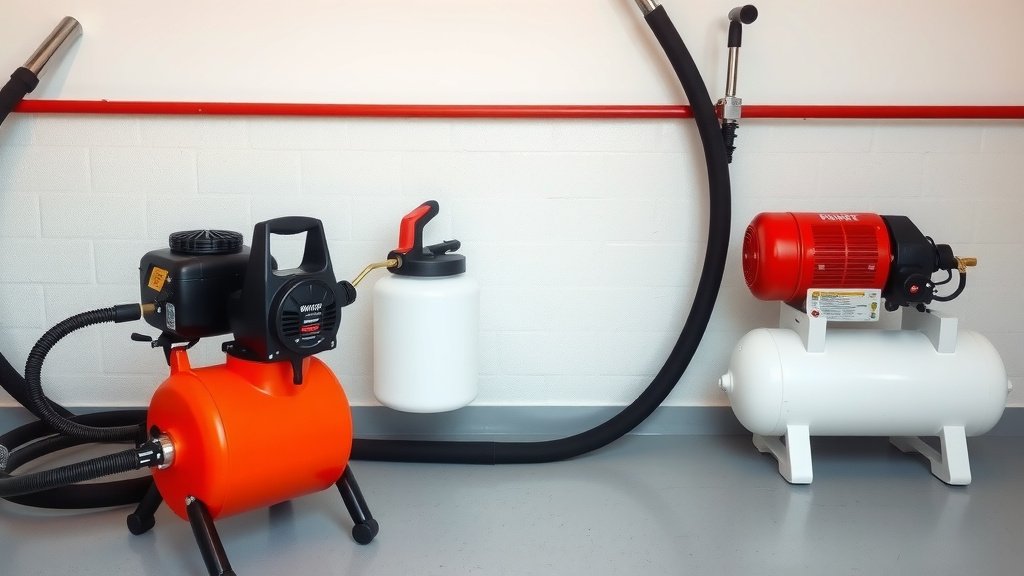
Think of a turbine sprayer as an all-in-one system. It has its own motor and fan. This motor pulls air in and pushes it out. The paint is then atomized and sprayed onto your surface. They are very popular for DIY projects.
How Turbine Sprayers Work
A turbine generates a high volume of low pressure air. This air flows through a hose to the spray gun. The spray gun mixes this air with the paint. It then creates a fine mist. This process is quite efficient for many paints.
Key Advantages of Turbine Sprayers
Turbine sprayers are known for their ease of use. You just plug them in and go. No need for a separate air compressor. They often produce a very smooth finish. This makes them great for furniture or cabinets. We found many users appreciate the portability too.
Potential Drawbacks of Turbine Sprayers
One limitation is power. They may struggle with very thick paints. You might need to thin your coatings more. Also, they can be louder than some other systems. For very large projects, they might not be as fast as a compressor-driven system.
Understanding Air Compressors and Paint Sprayers
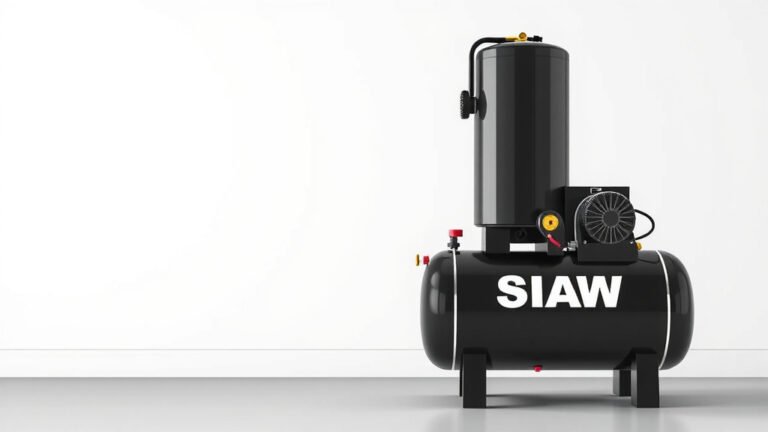
An air compressor is a standalone machine. It stores compressed air. You connect a separate spray gun to it. This setup offers a lot of power and flexibility. It’s a common tool for professionals.
How Air Compressors Work with Sprayers
The compressor builds up air pressure in a tank. You then connect a hose from the tank to your spray gun. The spray gun uses this high-pressure air. It atomizes and propels the paint. You can often adjust the air pressure. This lets you control the spray pattern.
Key Advantages of Air Compressors
Air compressors provide serious power. They can handle almost any paint, even thick ones. This means less thinning is often needed. They are very versatile. You can use the compressor for many other tools. Think impact wrenches or nail guns. They are often faster for large areas.
Potential Drawbacks of Air Compressors
The main downside is size and cost. Compressors can be large and heavy. They require a significant initial investment. You also need to manage the air hose. Some setups can be complex to manage. Noise can also be a factor.
Comparing the Two: What We Found
Let’s break down how they stack up side-by-side. We looked at several key factors that matter to painters.
| Feature | Turbine Sprayer | Air Compressor System |
|---|---|---|
| Ease of Setup | Very easy, plug and play. | Requires connecting hose and spray gun. |
| Portability | Generally compact and lightweight. | Compressor can be large and heavy. |
| Paint Thickness | Best for thinned paints; may struggle with thick coatings. | Handles thick paints well; less thinning needed. |
| Finish Quality | Excellent for fine finishes. | Can achieve fine finishes with practice and the right gun. |
| Project Size | Ideal for small to medium projects. | Great for medium to large projects. |
| Versatility | Primarily for spraying paint. | Compressor can power other air tools. |
| Noise Level | Can be loud. | Compressor motor can be loud. |
| Cost | Lower initial cost. | Higher initial cost, but versatile. |
Making Your Choice: A Quick Checklist
To help you decide, consider these points:
- Do you need the ultimate portability?
- Are you painting mostly small furniture or cabinets?
- Do you want a super-simple setup?
- Will you be spraying very thick paints or large walls?
- Do you need a tool for multiple types of jobs (e.g., inflating tires)?
- Is your budget a primary concern for the initial purchase?
Conclusion
Choosing between a turbine sprayer and an air compressor comes down to your specific painting needs. If you prioritize fine finishes on smaller projects and value portability, a turbine sprayer is likely your best bet. For those tackling larger spaces, working with thicker paints, or needing tool versatility beyond spraying, an air compressor offers the raw power and flexibility you’ll appreciate. We found that understanding these core differences will guide you to the right purchase.
Before you buy, think about your typical projects and the coatings you use most often. This practical approach ensures your new sprayer will be a reliable partner for years to come.
Frequently Asked Questions
Can a turbine sprayer handle thick paints?
Turbine sprayers work best with thinned paints. They may struggle with very thick coatings. You’ll likely need to thin your paint more than you would for an air compressor setup. We found thinning is key to getting a smooth spray pattern with turbines.
Is an air compressor system harder to set up than a turbine sprayer?
Generally, yes. An air compressor system requires connecting an air hose and a spray gun. Turbine sprayers are often plug-and-play. While it takes a little more effort, the added control with an air compressor is often worth it.
Which type of sprayer is better for cabinets and furniture?
For cabinets and furniture, a turbine sprayer is often preferred. They excel at producing fine finishes with minimal overspray. Their portability also makes them convenient for smaller, detailed work on these items.
Can I use an air compressor for tasks other than painting?
Absolutely! That’s a major advantage of air compressors. You can use them to power various air tools like nail guns, impact wrenches, or inflators. This makes them a versatile investment for any workshop.
What’s the difference in noise levels between the two?
Both systems can be noisy. Turbine sprayers have a continuous fan noise. Air compressors have motor noise when they run to maintain pressure. We found that neither is silent, but the pitch and type of noise can differ.