How Oil-Free Air Compressors Work Explained
Oil-free air compressors work by using a special piston ring material that doesn’t require oil for lubrication. This means they create cleaner air without any oil contamination. They achieve this through advanced design and materials.
This oil-free technology is a big deal for many industries. It’s essential where air quality is critical, like in healthcare or food production. Many users need assurance about the purity of the compressed air they get from their machines.
- Oil-free compressors use special materials for lubrication.
- They deliver cleaner air than oil-lubricated types.
- Ideal for industries needing pure air, like food and medical.
- No oil means less maintenance and fewer oil-related issues.
Let’s walk through exactly how these innovative machines make compressed air without a drop of oil.
Understanding How Oil-Free Air Compressors Work
So, you’re curious about how an oil-free air compressor manages to create compressed air without relying on that traditional lubrication? It’s a clever bit of engineering that focuses on materials and design. Instead of using oil to keep moving parts from grinding, these compressors employ specially formulated components that are inherently low-friction.
This allows them to do their job efficiently and, most importantly, without introducing oil into the air stream. This is the core difference that makes them so appealing for specific applications. Let’s break down the key mechanisms that make this possible.
The Heart of the Operation: Piston and Cylinder Design
In any air compressor, the main work happens within the piston and cylinder assembly. This is where air is drawn in, compressed, and then expelled. In traditional compressors, oil plays a vital role here.
Traditional Lubrication vs. Oil-Free Solutions
In a standard lubricated compressor, oil is introduced into the cylinder. It coats the piston rings and cylinder walls. This reduces friction, prevents wear, and helps create a seal. However, this oil inevitably mixes with the compressed air. You then need extra steps to remove it if you need clean air.
Oil-free compressors, on the other hand, are built to avoid this entirely. The magic lies in the materials used for the piston rings and the cylinder’s inner surface. We’re talking about advanced polymers and specialized coatings.
Advanced Piston Ring Materials
You might be wondering, what makes these rings so special? They are often made from materials like PTFE (polytetrafluoroethylene), also known as Teflon, or other high-performance composites. These materials have natural self-lubricating properties. Think of it like a non-stick pan; they resist sticking and reduce friction on their own.
These materials are designed to withstand the heat and pressure generated during compression. They create a durable, low-friction surface. This means they can handle the constant movement of the piston without needing external oil.
Specialized Cylinder Coatings
It’s not just the rings. The cylinder walls themselves often feature special coatings. These coatings complement the piston rings. They might be ceramic-based or have other low-friction properties. Together, these components create a system that minimizes wear and heat buildup naturally.
This combination ensures a long lifespan for the parts, even without oil. It’s a carefully engineered balance of materials working in harmony.
The Compression Process in an Oil-Free Unit
The actual process of compressing the air follows similar principles to other compressors, but the execution is different due to the lack of oil.
Intake and Compression Strokes
Like any compressor, an oil-free unit begins by drawing in ambient air. This happens when the piston moves down, increasing the volume in the cylinder and creating a vacuum. This pulls air through an intake valve.
As the piston then moves upward, it decreases the volume within the cylinder. This action compresses the trapped air. The specially designed piston rings and cylinder walls maintain a sufficient seal to prevent significant air leakage. This is where the advanced materials truly shine.
Preventing Leakage Without Oil
You might think sealing is impossible without oil. However, the precision engineering of these compressors makes it work. The piston rings are manufactured to very tight tolerances. They expand to press against the cylinder wall.
The materials themselves also help. Their low-friction nature allows them to glide smoothly. This minimizes wear and tear, helping to maintain that seal over time. Some designs might even incorporate multiple ring configurations to enhance sealing.
Discharge and Cooling
Once the air reaches the desired pressure, it is forced out of the cylinder through an exhaust valve. This compressed air then typically passes through a series of cooling stages. Compressing air naturally generates heat. Even without oil, cooling is essential to prevent overheating.
After cooling, the compressed air is ready for use. Because no oil was involved in the compression, this air is inherently cleaner. It’s free from oil contaminants that could be detrimental in sensitive environments.
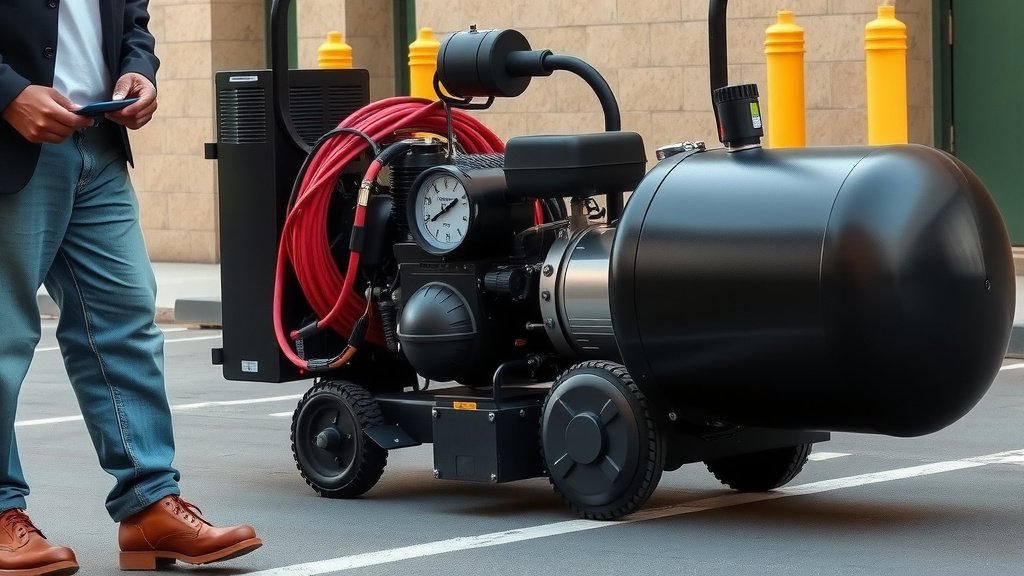
Key Differences and Benefits Summarized
The absence of oil creates several clear advantages for oil-free compressors. These benefits are why they are chosen for specific tasks and industries.
Air Purity: The Biggest Advantage
The most significant benefit is the purity of the compressed air. In many applications, oil contamination is unacceptable. Think about food processing, pharmaceuticals, or medical equipment. Even tiny amounts of oil can ruin products or harm patients.
Oil-free compressors deliver air that meets stringent purity standards. This eliminates the need for costly and complex oil-removal filtration systems that would be required with lubricated models. You get clean air straight from the source.
Maintenance and Longevity
While the initial cost might sometimes be higher, oil-free compressors can offer lower long-term maintenance costs. You don’t need to regularly check or change compressor oil. There are no oil filters to replace either.
The advanced materials used are designed for durability. This often translates to a longer operational life for the compressor. Fewer parts that can fail due to oil-related issues also contribute to reliability. For instance, research indicates that wear on piston rings is significantly reduced with these specialized materials (National Institute of Standards and Technology).
Environmental Considerations
There are also environmental pluses. No oil means no risk of oil leaks or spills, which can be hazardous. Disposal of used compressor oil is also eliminated. This makes oil-free units a more environmentally friendly choice in many settings.
A Quick Checklist for Oil-Free Operation:
- Special, self-lubricating piston rings are used.
- Cylinder walls often have low-friction coatings.
- Air drawn in is compressed without oil injection.
- Piston and cylinder seals are achieved through precise engineering and materials.
- The output air is naturally free of oil contaminants.
- Reduced maintenance related to oil management.
Conclusion
You’ve seen how oil-free air compressors work by relying on smart materials and design. They bypass traditional oil lubrication. This means they provide the cleaner air essential for many critical industries. You get efficiency without the oil contamination. This leads to less maintenance and a purer output. If your work demands the highest air quality, understanding these machines is key. Consider if an oil-free model fits your specific needs for your next compressed air project.
Frequently Asked Questions
How do the piston rings in an oil-free compressor avoid wear without oil?
Oil-free piston rings are made from advanced materials like PTFE or specialized composites. These materials have natural self-lubricating properties. They create a low-friction surface that resists wear even under pressure and heat.
Can oil-free compressors really provide a perfect seal without oil?
Yes, they can. The piston rings and cylinder walls are manufactured with extremely tight tolerances. The advanced materials themselves also help maintain the seal over time by reducing friction and wear.
Is the air from an oil-free compressor completely pure, or does it need further filtering?
The air produced by an oil-free compressor is inherently free of oil contaminants. For most applications requiring pure air, like food or medical uses, no additional oil-removal filtration is needed directly from the compressor.
What happens to the heat generated during compression in an oil-free unit?
Like all compressors, oil-free models still generate heat. The compressed air typically passes through cooling stages after leaving the cylinder. This cooling is essential to prevent overheating of the unit and to achieve optimal air pressure.
Are oil-free air compressors more expensive to purchase initially?
Often, the initial purchase price for an oil-free compressor can be higher. This is due to the advanced materials and precision engineering involved. However, you often save on long-term maintenance costs by eliminating oil-related expenses.