Air Compressor Rental Cost: What To Expect
Renting an air compressor typically costs between $75 and $250 per day. The exact price depends on the size and type of compressor you need. Smaller, portable units for DIY projects are generally cheaper. Larger, industrial-grade compressors for heavy construction will cost more.
When budgeting for an air compressor rental, also consider potential delivery fees and insurance costs. Many rental companies offer weekly or monthly rates which can be more economical for longer projects. It’s wise to compare prices from a few different rental shops in your area.
- Daily rental costs: $75 – $250
- Factors: Size, type, power
- Additional costs: Delivery, insurance
- Long-term rates: Weekly, monthly
- Shop around for the best deal
We’ve researched rental rates and put together a guide to help you figure out the cost for your specific needs. Let’s break down what influences air compressor rental prices so you can plan your budget effectively.
Understanding Air Compressor Rental Costs
So, you need an air compressor, but buying one outright isn’t in the cards? Renting is a smart move! We’ve looked into what it typically costs to rent one, and generally, you’re looking at anywhere from $75 to $250 per day. This price tag isn’t set in stone, though. It really swings based on the type and size of the compressor you need for your job.
Think of it like renting a car. A small, zippy compact car for a quick trip across town won’t cost as much as a large SUV needed for a family road trip. Air compressors are similar! A little guy for inflating tires or powering a brad nailer is going to be way cheaper than a beast needed for sandblasting an entire house.
Key Factors Influencing Rental Prices
Several things will play a big role in how much your rental invoice ends up being. Let’s break down the main players that determine the daily rate.
Compressor Size and Power (CFM and PSI)
This is the big one. Air compressors are rated by their ability to deliver air. You’ll see two main measurements: CFM (Cubic Feet per Minute) and PSI (Pounds per Square Inch). Higher CFM and PSI ratings mean more power and capability, which also means a higher rental cost.
CFM: The Volume of Air
CFM tells you how much air the compressor can deliver. If your tool needs a lot of air continuously, like an impact wrench or a sander, you’ll need a compressor with a high CFM rating. We found that compressors with CFM ratings below 5 are usually in the DIY category, while those above 10 are for more serious work. If your tool needs a lot of air continuously, you’ll need a compressor with a high CFM rating, and the right hose size is crucial for delivering it.
PSI: The Air Pressure
PSI refers to the air pressure. Most common tools operate between 90 and 100 PSI. However, some specialized equipment, like sandblasters, might require much higher PSI. The more pressure your job demands, the more you’ll likely pay for the rental.
Compressor Type: Portable vs. Stationary
Where and how you’ll use the compressor matters. Most rentals are for portable units, as stationary ones are usually installed permanently.
Portable Electric Compressors
These are your go-to for smaller jobs. They’re lighter, easier to move, and often plug into standard household outlets. Think of tasks like framing with nail guns or inflating things. They are generally the most affordable to rent.
Portable Gas-Powered Compressors
Need to work where there’s no electricity? A gas-powered compressor is your friend. They are more powerful and suitable for larger projects or jobs away from a power source. Because of their greater capacity and versatility, these tend to be pricier to rent than their electric counterparts.
Large Industrial Units
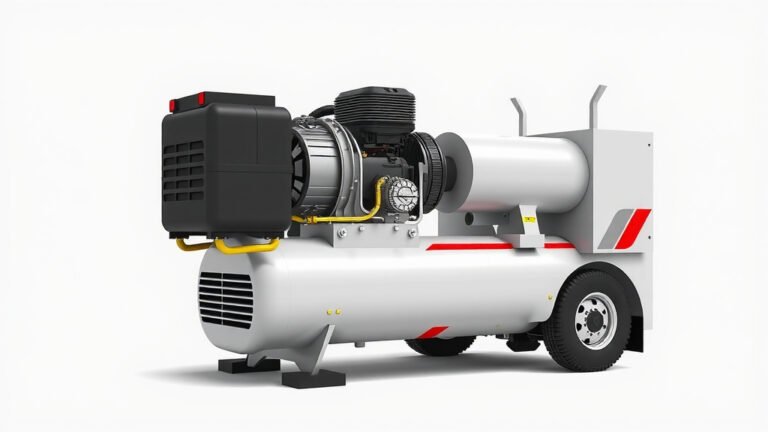
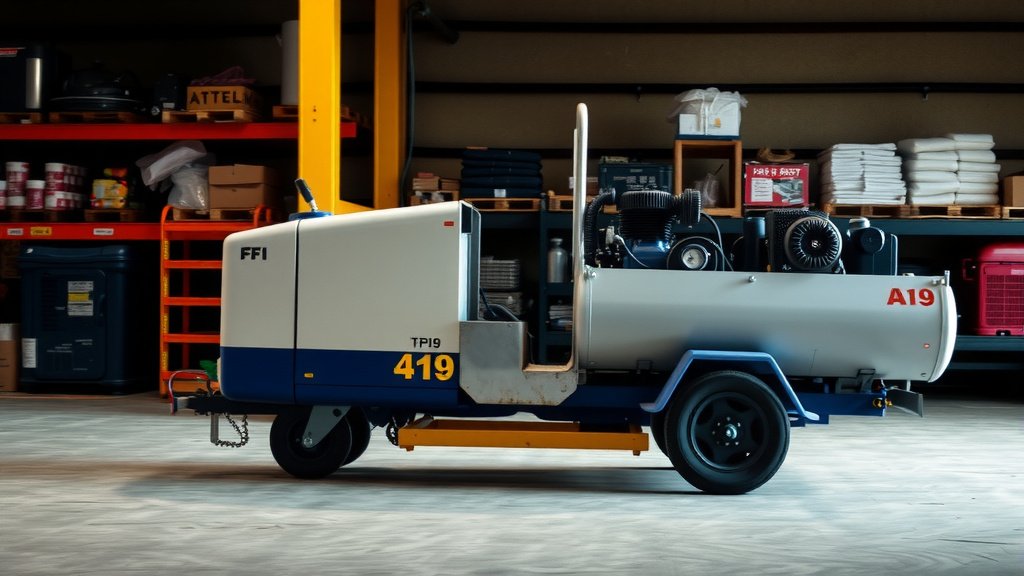
These are the giants of the air compressor world. They can be wheeled, but they are heavy and designed for serious, long-term construction or industrial applications. If your project involves heavy-duty sandblasting, jackhammering, or running multiple air-powered tools simultaneously, you’ll need one of these, and the rental cost will reflect that power.
Rental Duration: Daily, Weekly, or Monthly
Just like with any rental, how long you keep the equipment impacts the total cost. Daily rates are the most common for short-term needs.
Daily Rates
This is the baseline. We noticed daily rates often fall within that $75 to $250 range we mentioned. It’s perfect for weekend warriors or very short projects. Be aware that some companies might have a minimum rental period, even for daily rates.
Weekly and Monthly Rates
If your project stretches across several days or weeks, asking about weekly or monthly rental options can lead to significant savings. Many rental companies offer discounted rates for longer commitments. A weekly rate might be around 3-4 times the daily rate, making it a better deal for longer periods.
Additional Costs to Consider
The daily or weekly price you see isn’t always the final number. A few extra fees can creep in, so it’s good to ask about them upfront.
Delivery and Pickup Fees
Unless you have a truck and the muscle to load and unload a hefty compressor, you’ll likely need delivery. Rental companies typically charge a fee for transporting the equipment to your site and picking it up. This can range from $50 to $200 or more, depending on the distance and the size of the unit.
Insurance and Damage Waivers
Accidents happen, right? Rental companies often offer an optional damage waiver or insurance. This typically adds a small percentage (around 10-15%) to your rental cost but can protect you from paying the full replacement cost if the compressor is damaged. It’s usually worth considering for expensive or critical equipment.
Hoses, Fittings, and Accessories
Don’t forget the air hoses, regulators, and any special fittings you might need! These accessories often come with an extra charge. Make sure to clarify what’s included in the base rental price and what costs extra.
Tips for Getting the Best Rental Deal
Want to keep your air compressor rental costs as low as possible? Here’s what we learned:
- Compare Prices: Don’t just go with the first rental shop you find. Call a few places in your area to compare rates and offerings.
- Book in Advance: Especially during peak seasons, booking your rental ahead of time can sometimes secure a better rate and guarantee availability.
- Know Your Needs: Be precise about the CFM and PSI you require. Renting a super-sized unit when a smaller one will do is just throwing money away.
- Ask About Packages: Some companies might offer package deals that include the compressor, hoses, and necessary accessories at a bundled price.
- Check for Discounts: Ask if they offer discounts for contractors, long-term rentals, or early payments.
Conclusion
Renting an air compressor is a practical solution for many projects. We’ve seen that daily costs typically range from $75 to $250. Your final price hinges on factors like CFM, PSI, and the compressor type—whether it’s electric, gas, or industrial-grade. Don’t forget to budget for potential extra fees such as delivery and insurance. By comparing prices and understanding your specific needs, you can secure the right compressor without overspending. Your next step? Get a few quotes from local rental shops to find the best deal for your project.
Frequently Asked Questions
What’s the average daily rental cost for a basic portable air compressor?
For a smaller, portable electric air compressor suitable for DIY tasks, you can generally expect to pay between $75 and $150 per day. These units are perfect for powering nail guns or inflating items.
How much more expensive are gas-powered air compressors to rent compared to electric ones?
Gas-powered compressors are typically more expensive due to their higher power and portability for remote job sites. You might see daily rates for gas units ranging from $100 to $250 or more, compared to electric models.
Are there significant savings for renting an air compressor for a full week or month?
Yes, most rental companies offer substantial discounts for longer rental periods. A weekly rate is often around 3 to 4 times the daily rate, making it a much better deal if your project lasts more than a couple of days.
Is it necessary to rent hoses and other accessories separately, or do they come with the compressor?
It varies by rental company and the type of compressor. It’s best to ask upfront if air hoses, regulators, and fittings are included or if they incur an additional rental fee. Factor these costs into your budget.
How much should I budget for delivery and pickup fees for a large air compressor?
Delivery and pickup fees can add a considerable amount. For larger or industrial units, expect to pay anywhere from $50 to over $200, depending on the distance from the rental facility to your job site.