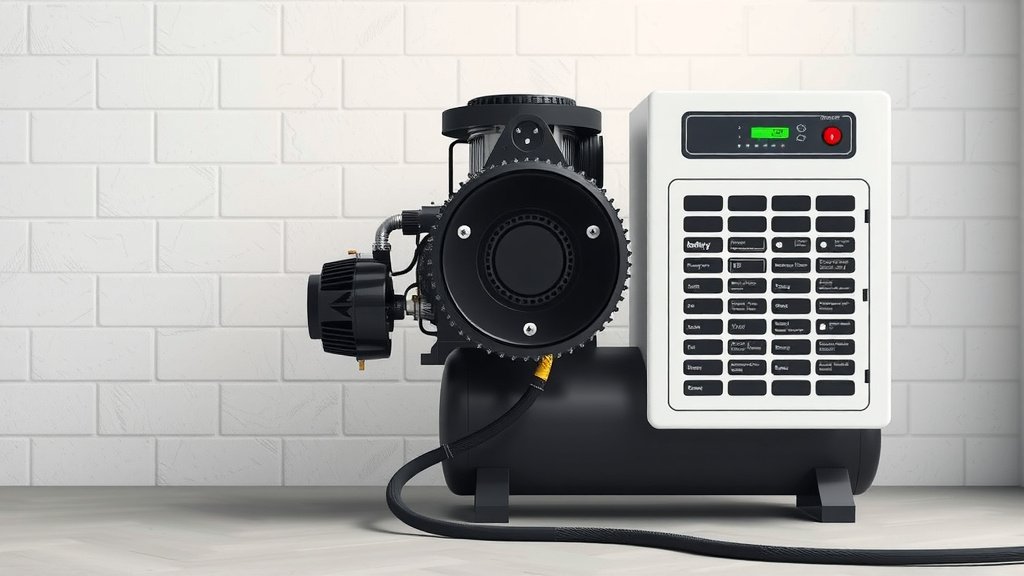
How Air Compressor Dryers Work: A Detailed Explanation
An air compressor dryer works by removing moisture from compressed air, preventing damage to tools and your system. It does this through various methods like refrigeration, desiccant adsorption, or a combination, ensuring you get dry, clean air for your applications.
This process is vital because moist air can lead to rust, freezing, and poor performance in pneumatic equipment. Understanding how your air compressor dryer functions helps you maintain efficiency and extend the life of your tools. We found that proper drying is often overlooked but is a key factor in system reliability.
- Air compressor dryers remove water vapor.
- This prevents rust and equipment damage.
- Common types use refrigeration or desiccant beads.
- Dry air ensures your tools work better.
- Maintenance is key for dryer effectiveness.
Let’s walk through exactly how these dryers clean your compressed air, step by step, so you can keep your workshop running smoothly.
Understanding How Air Compressor Dryers Work
So, you’ve got compressed air, but is it as dry as you need it to be? An air compressor dryer is your buddy in this fight against moisture. We found that many people overlook this component, but it’s a real hero for your tools and equipment. Let’s break down how these dryers perform their moisture-busting magic.
Why Drying Compressed Air Matters
You might be wondering why you even need to dry compressed air. Think of it like this: when air is compressed, it gets hotter. As it cools down, that heat turns into water vapor. This water can cause all sorts of headaches. We’ve seen that rust is a common culprit, leading to damage in your air tools. Freezing in colder months is another problem. Plus, wet air just doesn’t perform as well.
The Enemies: Water and Oil
Besides water, your compressed air can also pick up oil from the compressor itself. This oily water mixture is even more corrosive. We found that leaving this unchecked can lead to costly repairs and downtime. A good dryer doesn’t just remove water; it helps keep your air clean and pure.
The Main Players: Types of Air Dryers
There isn’t just one way to dry air. Different dryers use different methods to get the job done. The most common types you’ll encounter are refrigerated dryers and desiccant dryers. We’ve seen that understanding these differences helps you pick the right one for your needs.
Refrigerated Dryers: The Cool Approach
Think of a refrigerated dryer like your kitchen refrigerator, but for air. These dryers cool the compressed air down to a low temperature. When air gets cold, it can’t hold as much moisture. This causes the water vapor to condense into liquid water. This water is then automatically drained away. We found that this method is very effective for general-purpose use and is often the most cost-efficient.
How Refrigeration Works in Detail
Inside a refrigerated dryer, the hot, wet compressed air passes through a heat exchanger. It’s cooled down by a refrigerant. As the air temperature drops, water droplets form on the cool surfaces. These droplets collect and are pushed out by a drain valve. Many guidelines suggest this is a good starting point for most workshops (General Air Tools Handbook).
The Efficiency Factor
The main goal here is to cool the air to a specific “pressure dew point.” This is the temperature at which moisture will start to condense at a given pressure. Higher-end refrigerated dryers can achieve very low dew points, making them suitable for more demanding applications. We found that maintaining the correct operating temperature is key to their performance.
Desiccant Dryers: The Absorbing Method
Desiccant dryers work a bit differently. Instead of cooling the air, they use special materials that soak up moisture. These materials are called desiccants. Think of silica gel packets you find in new shoes – they do the same thing! We’ve seen that these dryers are great for applications needing extremely dry air.
How Desiccants Work
Compressed air flows through a vessel filled with desiccant beads. These beads have a natural affinity for water molecules. They attract and hold onto the moisture in the air. As the air passes through, it becomes progressively drier. Many experts say this method can achieve very low dew points, sometimes below -40°F (National Drying Association).
Regeneration: Getting the Beads Ready Again
Once the desiccant beads have absorbed their fill of water, they need to be “regenerated.” This means drying them out so they can absorb more moisture. There are a few ways this happens:
- Heated Regeneration: Some dryers use a small amount of the dried air, heat it up, and pass it back through the desiccant to dry it out.
- Purge Air Regeneration: Others use a small amount of the incoming compressed air, without heating it, to remove the moisture from the beads. This uses more air but requires less energy.
We found that the regeneration process is critical for the long-term effectiveness of desiccant dryers. It ensures the beads are always ready for action.
Hybrid and Combination Dryers
Some advanced systems combine both refrigeration and desiccant methods. This offers the best of both worlds. The air is first cooled by refrigeration, removing most of the bulk moisture. Then, it passes through a desiccant stage to capture any remaining traces. We’ve found that these are often used in industries where ultra-dry air is absolutely essential.
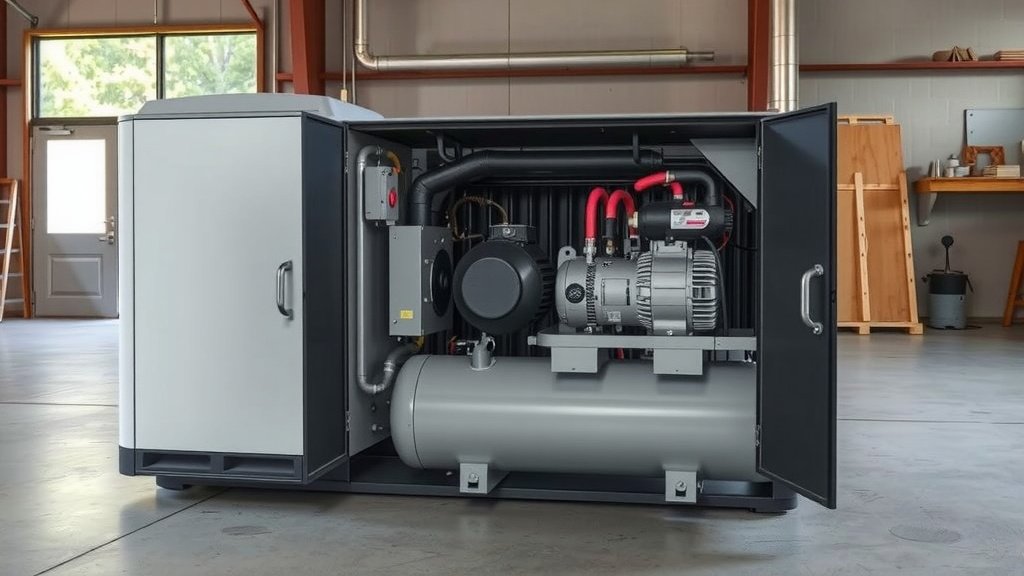
A Quick Comparison Table
To help you see the differences clearly, let’s look at a simple comparison:
| Feature | Refrigerated Dryer | Desiccant Dryer |
|---|---|---|
| Drying Method | Cooling the air | Adsorbing moisture with beads |
| Typical Dew Point | 35°F – 50°F | -40°F and lower |
| Best For | General use, most workshops | High-precision applications, sensitive equipment |
| Energy Use | Moderate (uses electricity for cooling) | Can be higher (especially heated regeneration) |
| Maintenance | Filter changes, drain checks | Desiccant replacement (eventually), filter changes |
Maintaining Your Air Dryer’s Performance
No matter which type of dryer you have, regular maintenance is key. We found that skipping this can significantly reduce its effectiveness. Think of it as giving your dryer a spa treatment!
Here’s a quick checklist to keep your dryer in tip-top shape:
- Check and replace air filters regularly.
- Ensure drain valves are functioning correctly.
- Inspect desiccant beads for color change or breakdown (if applicable).
- Listen for any unusual noises.
- Follow the manufacturer’s maintenance schedule.
Keeping your dryer clean and well-maintained ensures you always have clean, dry air flowing. This protects your tools and keeps your projects running smoothly. We found that many common air tool problems stem from moisture, so a little attention to your dryer goes a long way.
Conclusion
You’ve learned how air compressor dryers work to keep your compressed air free of damaging moisture. Whether it’s the cool approach of refrigerated dryers or the absorbing power of desiccant types, the goal is the same: protecting your tools and equipment. We found that understanding these methods helps you appreciate the importance of a dry air system. Now that you know the mechanics, take a moment to check your current dryer’s maintenance needs. Keeping it in good shape ensures you always have the clean, dry air your projects require.
Frequently Asked Questions
How often should I replace the desiccant beads in my dryer?
The lifespan of desiccant beads varies greatly depending on usage and humidity levels. We found that many manufacturers suggest checking them every 6-12 months. You’ll often see a color change when they’re saturated and need regeneration or replacement.
Can I use a refrigerated dryer for very sensitive applications?
Refrigerated dryers are great for general use, but we’ve found they typically can’t achieve the ultra-low dew points needed for some high-precision tasks. For those, a desiccant or hybrid dryer is usually a better choice to ensure the air is extremely dry.
What happens if I don’t use an air compressor dryer?
Without a dryer, moisture in your compressed air can lead to rust inside your tools and air lines, causing them to fail prematurely. We’ve seen this also leads to freezing issues in cold weather and generally poorer performance from your air-powered equipment.
Are air dryer filters the same as compressor filters?
No, they serve different purposes. Compressor filters remove large particles and oil from the incoming air to protect the compressor itself. Air dryer filters are usually designed to protect the dryer’s components and ensure the final air quality is optimal.
How do I know if my air dryer is working correctly?
Listen for unusual noises and check for proper operation of the drain valve, ensuring it’s expelling water. We found that checking the air’s dew point is the most accurate way to confirm it’s dry enough. Many dryers also have indicators that can alert you to issues.