Optimal Filter Distance From Air Compressor: How Far Is Best
The ideal distance for an air compressor filter is typically very close to the compressor, often directly attached or within a few inches. This proximity is essential for capturing contaminants before they enter your air system. Placing the filter too far away can allow dust and moisture to travel further into your tools and equipment.
You want your filter to act as the first line of defense. Keeping it near the compressor intake ensures it works most effectively to protect your equipment from damaging particles. We found that many setups benefit from a filter that is mounted directly on the compressor’s inlet.
- Filters protect your tools from dirt and moisture.
- Keep filters close to the compressor for best results.
- A filter too far away lets particles travel further.
- Consider a filter mounted directly on the air intake.
Let’s break down why filter placement matters so much and what you need to consider for your setup.
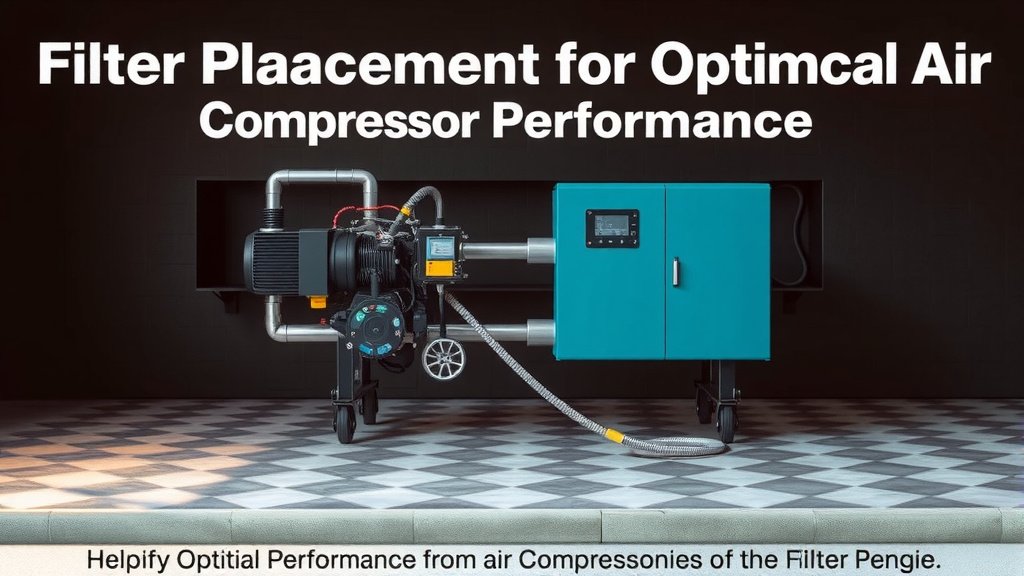
Filter Placement for Optimal Air Compressor Performance
You’ve got your air compressor, and you know you need a filter. But where exactly should that filter live in relation to your compressor? We’ve found that keeping the filter as close as possible to the air intake of your compressor is the most effective strategy.
Think of your filter like a gatekeeper for clean air. If you place it too far away from the compressor, you’re essentially giving dirt, dust, and moisture a longer runway to travel. This can lead to them getting sucked into your compressor and then into your pneumatic tools. That’s not good for anyone’s equipment.
Why Proximity is Key for Air Filters
The main goal of an air compressor filter is to catch contaminants before they enter your compressed air system. This protection is vital for the longevity and efficiency of your tools and the compressor itself.
Contaminant Capture Zones
When the filter is right at the intake, it acts as the very first line of defense. Any airborne particles are immediately intercepted. If the filter is several feet away, dust can settle on the line between the filter and the compressor. Then, when the compressor starts, it can create a vacuum that pulls in some of that settled dust.
We’ve seen many setups where users mount filters directly onto the compressor’s inlet port. This is often the ideal scenario. It minimizes the distance air travels before being cleaned.
Moisture Management
Air compressors often deal with moisture. As the air is compressed, water vapor can condense. While some filters are designed to handle moisture, placing the filter close to the source helps manage it early. If moisture travels further down the line, it can cause rust and corrosion in your air lines and tools.
Research suggests that removing moisture as early as possible is a smart move for any compressed air system (Gardner Denver).
Factors Influencing Filter Placement
While close is generally best, a few things might influence your exact setup. You need to make sure your chosen location is practical and safe for operation.
Type of Filter Used
Different filters have different designs. Some are inline filters that simply screw onto an existing port. Others might be larger, more robust units that require a bit more mounting space. The physical size and connection type of your filter will dictate where it can physically go.
For instance, a small inline filter can often be mounted directly on the compressor’s intake fitting. A larger cyclonic pre-filter might need to be mounted on a bracket nearby, but still, the goal is to keep its intake close to the ambient air source.
Environment of Operation
Where do you use your air compressor? If you’re working in a very dusty environment, like a woodworking shop or a construction site, a filter is absolutely essential. In such cases, placing the filter where it can easily draw in cleaner air, perhaps slightly away from immediate dust sources, can be beneficial, while still keeping it very close to the compressor.
However, if the surrounding air is relatively clean, the primary concern is just having the filter at the intake. We found that the cleaner the ambient air, the less critical the exact positioning beyond being at the intake.
Accessibility for Maintenance
Filters need regular maintenance. You’ll need to clean or replace the filter element periodically. So, while close is good, easy access for this maintenance is also important. You don’t want to have to dismantle half your setup just to get to the filter.
Try to find a spot that offers both proximity and a clear path for servicing. Many users find that mounting filters on a small bracket just off the compressor body works well.
Common Filter Mounting Scenarios
Let’s look at a few typical ways people set up their filters. These examples can help you visualize the best approach for your own compressor.
Directly Attached Inline Filters
This is perhaps the most common and recommended method for smaller compressors. An inline filter screws directly onto the compressor’s intake port. It’s simple, effective, and keeps the filter literally inches from where the air is drawn in.
Pre-filter Systems
For more demanding applications or very dusty environments, a pre-filter system is often used. This usually involves a larger cyclonic separator that removes the bulk of the larger particles before the air reaches a finer, secondary filter. The pre-filter is mounted close to the compressor intake, and the secondary filter might be inline closer to the tank or output, depending on the system design.
Many manufacturers of industrial compressors recommend such multi-stage filtration for optimal air quality (Ingersoll Rand).
Wall-Mounted or Standalone Filters
Some users prefer to mount their filters on a wall or a separate stand near the compressor. If you choose this route, ensure the intake hose from the filter to the compressor is as short as possible. The idea is still to minimize the distance air travels before being filtered.
We found that setups with an intake hose exceeding 3-4 feet between the filter and the compressor intake are less efficient at capturing early contaminants.
When ‘Further Away’ Might Seem Necessary (and Why It’s Usually Not)
Occasionally, you might think placing a filter further away is a good idea. Perhaps you want to draw air from a slightly cleaner spot in your workshop. While the *intent* is good, the execution can be tricky.
The Compromise of Distance
If you extend the intake line to draw air from a specific location, you’re adding complexity. That hose itself can become a place for dust to settle. Plus, the longer the hose, the more resistance it adds to the airflow. This can make your compressor work harder.
Most air compressor filters are designed to work best when drawing air directly from the ambient surroundings right where the compressor is operating, with the filter positioned at the point of entry.
Alternatives for Cleaner Air Intake
If you’re genuinely concerned about the air quality right where your compressor sits, consider these alternatives instead of just extending the filter hose:
- Mount the compressor in a cleaner area if possible.
- Use a longer, larger-diameter intake hose to the filter, but keep the hose run as short and straight as possible.
- Consider a remote intake filter kit specifically designed for your compressor model.
A Quick Checklist for Your Filter Setup
To ensure you’ve got your filter placed just right, run through this quick checklist:
- Is the filter mounted as close as possible to the compressor’s air intake?
- Can you easily access the filter for cleaning or replacement?
- Is the filter protected from physical damage?
- Are all connections secure and leak-free?
- Does the filter placement allow the compressor to draw air freely without excessive restriction?
- Is the filter the correct type for your compressor and environment?
Conclusion
Keeping your air compressor filter close to the intake is the smartest move for protecting your tools. We’ve learned that proximity acts as your first and best defense against dust and moisture. While practicalities like maintenance access matter, minimizing the distance air travels before filtering is key. Don’t let contaminants get a head start.
Your next step? Take a look at your current setup. Assess where your filter is and if it’s as close as possible to the compressor’s air intake. Make adjustments if needed to ensure you’re getting the cleanest air possible for your equipment.
Frequently Asked Questions
What’s the absolute closest my air compressor filter can be?
Ideally, your air compressor filter should be mounted directly on the compressor’s air intake port. This means it’s inches away, acting as the immediate barrier to incoming air. Any distance beyond that starts to reduce its effectiveness.
Can I use a longer hose if I want to draw air from a cleaner spot?
While you might want to draw air from a cleaner area, using a significantly longer hose for your filter’s intake can create issues. That extra hose can collect dust, and the added length can increase air resistance, making your compressor work harder.
How do I balance keeping the filter close with needing access for maintenance?
Finding a good balance is important. We’ve found that many users mount their filters on a small bracket near the compressor intake. This keeps it close while still providing easy access for cleaning or replacement without major disassembly.
What happens if my filter is too far from the compressor?
If your filter is too far from the compressor, dust and moisture have more time and space to travel into your air lines. This compromises the filter’s ability to protect your tools. You might end up drawing in settled dust from the line itself when the compressor starts.
Are there special kits for mounting filters remotely but still effectively?
Yes, some manufacturers offer remote intake filter kits. These are designed to let you position the filter slightly away from the compressor, often with a specially designed, short hose. The goal is still to minimize the distance and air resistance between the filter and the compressor’s intake.