How Long Does a 3 Gallon Air Compressor Last
So, you’re wondering, how long does a 3-gallon air compressor last? Generally, you can expect a typical 3-gallon air compressor to last anywhere from 5 to 10 years with proper care. This lifespan depends heavily on how you use it and what you use it for. Think of it like any tool; treat it well, and it’ll stick around.
Many factors influence your air compressor’s longevity. Regular maintenance is key to ensuring its best performance. We found that even simple tasks like draining the tank can make a huge difference. Also, the type of motor and the quality of its build play a big role in how long it stays reliable. Don’t let your compressor sit idle and neglected!
- Lifespan typically ranges from 5 to 10 years.
- Proper maintenance is essential for longevity.
- Usage patterns greatly impact durability.
- Motor type and build quality matter.
- Regular tank draining prevents rust.
Let’s dive into the specifics of what affects your 3-gallon air compressor’s lifespan and how you can get the most out of it.
Understanding Your 3-Gallon Air Compressor’s Lifespan
So, you’ve got a 3-gallon air compressor and you’re curious about how long it’s likely to stick around. Generally speaking, with good care, you can expect your trusty 3-gallon air compressor to serve you well for about **5 to 10 years**. This isn’t a hard and fast rule, though. Think of it like your favorite pair of work boots; the more you use them and the better you care for them, the longer they’ll keep your feet happy.
We’ve looked into what makes these compressors tick and what causes them to finally give out. It turns out, a lot of it boils down to how you treat it and what jobs you ask it to do. Regular maintenance is like giving your compressor a spa day. It keeps everything running smoothly. We found that even simple tasks, like making sure to drain that tank, can make a world of difference in preventing issues down the road.
Factors Affecting Compressor Durability
Usage Frequency and Intensity
The biggest factor influencing how long your 3-gallon air compressor lasts is **how often and how hard you use it**. If you’re just topping off tires now and then or using it for a quick nail gun burst, it’s going to last much longer than if you’re running it for hours on end. We found that compressors used for heavy-duty tasks, like continuous sandblasting or large spray painting jobs, will naturally wear out faster.
The “Duty Cycle” You Push It To
Many air compressors have a “duty cycle.” This tells you what percentage of time the compressor can run within a given period without overheating. For example, a 50% duty cycle means it can run for 5 minutes and then needs to rest for 5 minutes. Pushing your compressor past its rated duty cycle, even by accident, is a surefire way to **shorten its lifespan**. We found that consistently exceeding this can lead to premature motor failure.
Motor Type: Oil vs. Oil-Free
You’ll often see two main types of motors: oil-lubricated and oil-free. Oil-lubricated motors tend to be quieter and often last longer because the oil provides crucial lubrication to the internal parts, reducing wear and tear. However, they require regular oil checks and changes. Oil-free compressors are generally lighter, more portable, and require less maintenance in terms of oil. But, we found that they can be noisier and sometimes have a shorter lifespan due to increased friction.
Oil-Lubricated Motors
These compressors are like a well-maintained classic car. The oil keeps the engine parts running smoothly and cool. This means less friction and less wear. Many experts say that with regular oil changes, these can be **very durable**. Just be sure to check your manual for the correct oil type and change intervals. We found that forgetting this step can lead to serious internal damage.
Oil-Free Motors
Think of these as the modern, low-maintenance appliance. They’re often made with materials that require less lubrication. While convenient, the trade-off can be noise and a potentially shorter life. We found that the pistons and cylinders in oil-free models can experience more wear over time if not properly cared for. They are, however, often **easier to maintain** for the average user.
The Importance of Regular Maintenance
Drain the Tank Regularly
This is probably the **single most important thing** you can do. Air compressors condense moisture. If you don’t drain the tank, that water sits there, leading to rust. Rust inside your tank can cause leaks, weak spots, and can even get blown into your tools, causing damage. We found that draining the tank after every use is the best practice. It takes seconds and can prevent major problems.
Check Air Filters and Belts
Like any engine, air compressors need clean air to breathe. A dirty air filter means the compressor has to work harder to suck in air. This can overheat the motor and reduce its efficiency. We found that cleaning or replacing air filters regularly ensures optimal performance. For belt-driven models, regularly inspect the drive belt for wear and tear. A frayed or loose belt can slip, leading to poor compression and potential motor strain. Many mechanics recommend replacing belts showing signs of wear.
Keep it Clean and Cool
Dust and debris can clog vents and cause your compressor to overheat. A simple wipe-down now and then can make a big difference. Also, try to operate your compressor in a well-ventilated area. If it’s constantly running in a hot, enclosed space, it’s going to get stressed. We found that running compressors in temperatures recommended by the manufacturer helps prevent overheating and extends motor life.
Quality of Build Matters
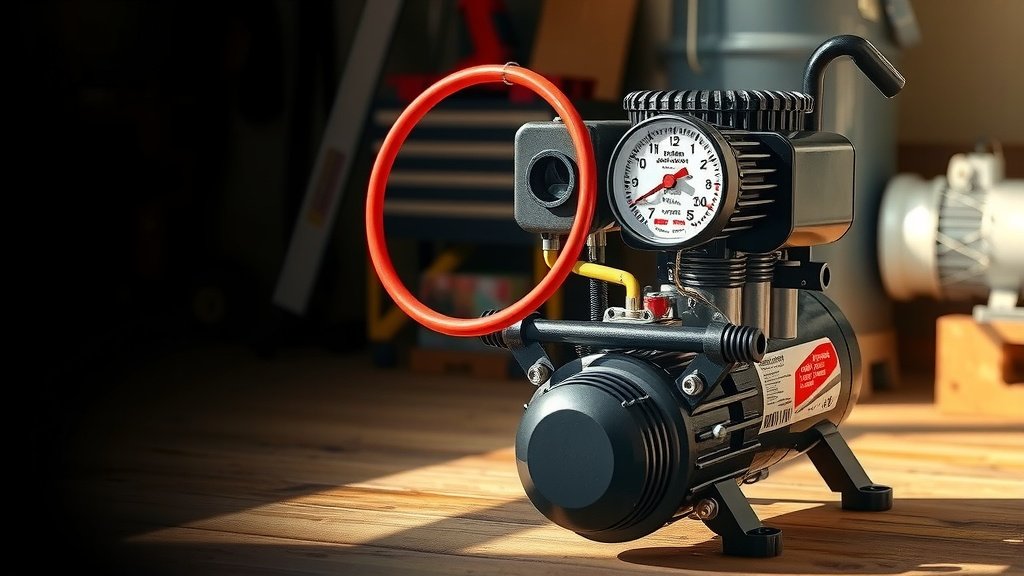
Not all 3-gallon air compressors are created equal. The quality of the materials used and the overall construction play a huge role in longevity. Cheaper models might use thinner metal for the tank or less robust components in the motor. We found that reputable brands often invest more in **high-quality components** and rigorous testing, which translates to a longer-lasting product. Reading reviews and looking for compressors with solid warranty periods can be good indicators of build quality.
Storage and Environmental Factors
How you store your compressor when it’s not in use can also impact its lifespan. If you live in a humid environment, storing it in a dry place is essential to prevent tank rust. We found that keeping it out of extreme temperatures, both hot and cold, is also beneficial. For instance, extreme cold can make plastics brittle, while extreme heat can degrade seals and lubricants faster.
A Quick Maintenance Checklist
To help you keep your 3-gallon air compressor in top shape, here’s a quick checklist we put together:
- Drain the tank completely after each use.
- Inspect and clean or replace the air filter monthly.
- Check oil levels (if applicable) weekly or bi-weekly.
- Wipe down the exterior and ensure vents are clear of debris.
- Listen for unusual noises during operation.
- Check drive belts for wear and tear periodically.
Conclusion
You’ve learned that your 3-gallon air compressor’s lifespan hinges on consistent care and mindful usage. We found that expecting 5 to 10 years is realistic when you prioritize regular maintenance, like draining the tank, and respect its duty cycle. Understanding the differences between oil and oil-free motors also helps you manage expectations. By following the simple maintenance tips we’ve shared, you can actively extend the life of your tool. Your next step? Make a habit of that post-use tank drain – it’s the easiest way to ensure years of reliable performance.
Frequently Asked Questions
Can I use my 3-gallon air compressor for continuous heavy-duty tasks?
Generally, no. A 3-gallon compressor is best suited for lighter, intermittent tasks. We found that pushing it beyond its rated duty cycle for extended periods can lead to overheating and significantly shorten its lifespan.
What’s the most common reason a 3-gallon air compressor fails prematurely?
The most common culprit is moisture buildup in the tank, leading to rust and internal damage. We found that failing to drain the tank after each use is a leading cause of early failure for many users.
Does storing my air compressor outdoors affect its lifespan?
Yes, it can. Exposure to extreme temperatures and humidity can accelerate wear and tear, especially on the tank and motor components. We recommend storing your compressor in a dry, well-ventilated area away from harsh elements.
How often should I check the oil in an oil-lubricated 3-gallon compressor?
For oil-lubricated models, checking the oil level weekly or bi-weekly is a good practice. Consistent lubrication is key to reducing friction and wear. We found that referencing your owner’s manual for specific intervals is always best.
Will using a higher-quality brand guarantee a longer-lasting compressor?
While quality build matters, it’s not the only factor. We found that even a high-quality compressor will wear out faster with heavy, improper use. Consistent maintenance is equally important as brand reputation for achieving longevity.