Used Air Compressor Value Guide: What’s It Worth
Figuring out how much your used air compressor is worth can feel like guesswork. Generally, you can expect a used air compressor to sell for anywhere from 20% to 60% of its original price. This range depends heavily on its age, condition, and the brand name.
When you’re ready to sell, understanding these factors helps you set a realistic price. A well-maintained, popular brand might fetch a higher price. Older, heavily used units will naturally be worth less. We’ve looked into what influences these prices the most.
- Value hinges on age and condition.
- Brand plays a big role in pricing.
- Compressor horsepower and tank size matter.
- Check similar listings for fair market value.
Let’s break down what determines your air compressor’s worth so you can get the best possible price.
What Determines the Resale Value of Your Used Air Compressor?
Trying to put a price tag on your used air compressor? It’s a common question, and the answer isn’t one-size-fits-all. Generally, you can expect to get between 20% and 60% of its original price for a pre-owned unit. This percentage is a moving target, influenced by several key factors we’ll break down for you.
Key Factors Influencing Your Compressor’s Worth
Age: The Silent Factor in Depreciation
Just like cars, air compressors depreciate over time. An older unit will naturally be worth less than a newer one, even if it’s in good shape. Think about it – technology advances, and newer models might offer better efficiency or features. We found that units older than 10 years often see a steeper drop in market value.
When you’re assessing age, look at the manufacturing date. This is often stamped on the unit’s nameplate. Sometimes, it’s a serial number code that you might need to look up. Knowing the exact age helps set realistic expectations for its worth.
Condition: More Than Just a Pretty Face
This is arguably the most important factor. Is your compressor in tip-top shape, or has it seen better days? A unit that has been well-maintained, with regular oil changes and filter replacements, will command a higher price. We found that buyers are willing to pay more for compressors that show signs of good care.
Mechanical Health
Does it start up easily? Does it run smoothly without excessive noise or vibration? Are there any leaks from the tank or fittings? These are all critical questions. A compressor that functions perfectly will always fetch more than one with known issues. You should be able to test it before a potential buyer commits.
Cosmetic Appearance
While less critical than mechanical condition, the overall appearance does matter. Is the paint chipped and rusty? Is the casing cracked? A clean, presentable unit suggests it was cared for. A little elbow grease to clean it up can make a surprising difference in perceived value.
Brand Name: Reputation Matters in the Workshop
Just like with tools, some brands are simply more sought after than others. A compressor from a well-respected manufacturer known for durability will hold its value better. Think names like DeWalt, Ingersoll Rand, or Quincy. These brands have a reputation for quality.
We found that generic or lesser-known brands often struggle to compete on price. If you have a popular, reliable brand, make sure to highlight it. It’s a major selling point for many buyers.
Horsepower and Tank Size: The Engine and the Fuel Tank
These specs are like the engine size and fuel tank capacity of a car. They directly impact what the compressor can do. Higher horsepower generally means more power for demanding jobs. A larger tank size means it can store more air, allowing for longer run times before the motor kicks back on.
Buyers often look for specific horsepower and tank size combinations for their particular needs. A compressor that’s undersized for common tasks might be less desirable. Conversely, an overpowered unit for a simple home garage might also be overkill. We found that the sweet spot for many DIYers is around 3-6 horsepower with a 20-60 gallon tank.
Compressor Type: How It Gets the Job Done
There are different types of air compressors, and they affect value. You have piston (reciprocating) compressors, which are common for workshops. Then there are rotary screw compressors, usually found in industrial settings and much more expensive. Portable versus stationary models also play a role.
For most people selling a used unit, it’s likely a piston type. Within that, consider if it’s oil-lubricated or oil-free. Oil-lubricated models tend to be quieter and last longer, often fetching a slightly better price than their oil-free counterparts, though oil-free are lower maintenance.
Estimating Your Compressor’s Market Value
Check the Competition: Online Listings are Your Friend
The best way to gauge what your compressor is worth is to see what others are asking. Search online marketplaces like Craigslist, Facebook Marketplace, eBay, and dedicated tool resale sites. Look for compressors that are similar in brand, age, size, and condition to yours.
Pay close attention to which listings sell quickly and which ones sit around for a while. This gives you a real-time feel for market demand. Don’t just look at asking prices; try to find sold listings if possible, as that’s the true market price.
Consider the Extras: Accessories and Features
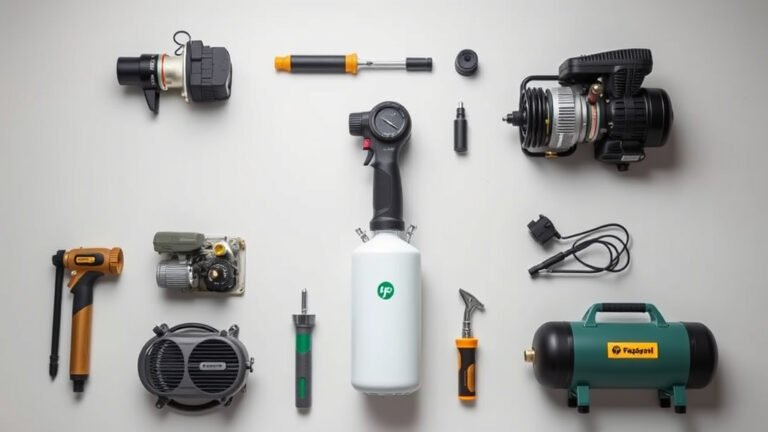
Did your compressor come with extra features or accessories? Things like integrated air dryers, specific pressure gauges, or high-quality hoses can add a little extra appeal. If you’re including any pneumatic tools with the sale, that can also boost the overall perceived value.
Some units have advanced features like variable speed drives or noise-reduction enclosures. These can make your used compressor stand out from simpler models and potentially command a higher price.
Preparing Your Compressor for Sale: A Quick Checklist
Want to make sure you get the best possible price? A little preparation goes a long way. Here’s a quick rundown:
- Clean it thoroughly: Remove dust, grease, and grime.
- Inspect and document: Note any minor flaws you find.
- Test it out: Make sure it runs perfectly.
- Check fluid levels: Ensure oil and any other fluids are topped up.
- Gather documentation: Find the manual or any service records.
- Take great photos: Clear, well-lit pictures are essential.
By understanding these elements and doing a bit of research, you’ll be well-equipped to set a fair price for your used air compressor and attract potential buyers.
Conclusion
Determining your used air compressor’s worth involves looking at several key areas. Remember that its age, overall condition (both mechanical and cosmetic), and the brand reputation are primary drivers of its resale value. Don’t forget that horsepower and tank size also play a role in what a buyer might expect to pay. By cleaning your unit, documenting its history, and researching similar listings online, you’ll be ready to set a fair price. Take these steps to help your compressor find a new home and get you a good return.
Frequently Asked Questions
How much does a 10-year-old air compressor sell for?
A 10-year-old air compressor typically sells for between 20% and 30% of its original price. This is due to natural depreciation and potential advancements in newer models. Its condition and brand name will heavily influence where it falls within that range.
Should I sell my air compressor with tools?
Yes, including useful accessories or pneumatic tools can increase your compressor’s appeal and perceived value. It presents a more complete package for a buyer, potentially allowing you to ask for a slightly higher price overall.
Is it better to sell an oil-lubricated or oil-free compressor?
Generally, oil-lubricated compressors can fetch a slightly higher price because they are often quieter and known for longer lifespans. However, oil-free models are easier to maintain, which can appeal to buyers seeking less upkeep.
What’s the best place to sell a used air compressor?
Online marketplaces like Facebook Marketplace, Craigslist, and eBay are excellent places to list your used air compressor. Dedicated tool resale forums or local classifieds can also be effective.
Can cosmetic damage significantly lower my compressor’s price?
While mechanical condition is most important, significant cosmetic damage like heavy rust or cracked casings can reduce buyer interest and your asking price. A thorough cleaning can help mitigate minor cosmetic issues.