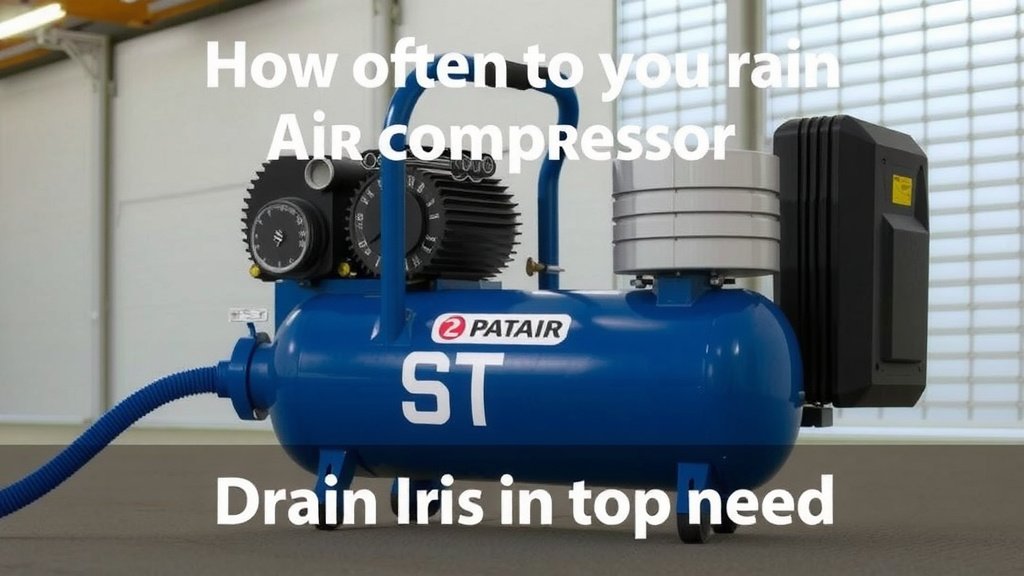
How Often To Drain Your Air Compressor
You should drain your air compressor at least once a week, if not more often. Regular draining is essential for preventing moisture buildup. This simple maintenance step keeps your tools running smoothly and prevents costly damage.
Ignoring this task can lead to rust and other problems within the tank. Think of it like changing the oil in your car; it’s a necessary part of keeping your equipment in good shape. Proper draining helps ensure optimal performance and longevity for your compressor.
- Drain your air compressor tank regularly.
- Aim for at least once a week.
- This removes harmful moisture buildup.
- It prevents rust and equipment damage.
- Keeps your tools running efficiently.
Below, we’ll walk you through why draining is so important and how to do it correctly.
Your Air Compressor’s Drain Schedule: When and Why It Matters
You might be wondering, “How often should I really be draining my air compressor?” The simple answer is: more often than you probably think. We found that a good rule of thumb is to drain it at least once a week, but heavy usage might mean you need to do it even more frequently.
This isn’t just a suggestion; it’s a vital part of keeping your compressor healthy. Think of it like taking your car for regular oil changes. Skipping this simple maintenance can lead to bigger, more expensive problems down the road. Your tools will thank you for it!
Why Draining Your Air Compressor is Non-Negotiable
The biggest enemy lurking inside your air compressor tank is moisture. Where does this moisture come from, you ask? It’s a natural byproduct of compressing air. When the air inside your tank heats up, it can hold more moisture. As the air cools, that moisture condenses. It’s basic science, like dew forming on grass!
This condensation collects at the bottom of the tank. If left unchecked, it becomes a breeding ground for rust and corrosion. Many experts say that even a small amount of water can cause significant damage over time. It’s like letting a leaky faucet drip; over months and years, it can cause real trouble.
The Costly Consequences of Neglecting Draining
What happens when that moisture starts to wreak havoc? First, you’ll likely see rust forming inside your tank. This rust can flake off and travel through your air lines. What does that mean for your tools? It means they could get clogged or damaged by gritty debris. Imagine trying to paint a car with sandpaper mixed into your paint – not ideal!
Beyond damaging your tools, the rust can actually compromise the integrity of the tank itself. A corroded tank is a weaker tank. In rare but serious cases, this could lead to a tank failure. We found that many manufacturers stress the importance of regular draining to prevent these safety hazards and premature equipment failure.
Here’s a quick look at what you’re preventing:
- Rust and Corrosion: The most common issue, leading to tank degradation.
- Tool Damage: Small rust particles can clog and ruin air-powered tools.
- Reduced Air Quality: Moisture can affect the performance of sensitive equipment.
- Tank Failure: In extreme cases, corrosion weakens the tank’s structure.
What Happens When You Use Watery Air?
If you’re using your compressor for tasks like painting, inflating tires, or running pneumatic tools, moisture in the air supply can be a real headache. For painting, it can cause unsightly bubbles or a rough finish on your project. For tire inflation, it’s less critical but still not ideal. With pneumatic tools, it can lead to sluggish performance or even internal damage.
Factors Influencing Your Draining Frequency
While “at least once a week” is a solid starting point, your specific usage patterns might require more frequent draining. Think about your environment and how much you use the compressor.
Usage Intensity: The More You Use, The More You Drain
This one is pretty straightforward. If you’re running your air compressor for hours every day, you’re compressing a lot of air. More compressed air means more potential for moisture buildup. For heavy-duty users, draining after each use, or at least daily, is a wise practice. We found that high-volume users often implement a habit of draining at the end of each workday.
Environmental Conditions: Humidity Plays a Big Role
Are you located in a naturally humid climate? If so, the air around you already contains more moisture. This means your compressor will likely accumulate water faster. Consider places like Florida or coastal regions. In these areas, you might need to drain your compressor every couple of days, even with moderate use. The U.S. Environmental Protection Agency (EPA) notes that higher ambient humidity increases the moisture load in compressed air systems.
Compressor Type and Size: Some Are More Prone
Smaller, portable compressors might fill up faster and require more frequent attention than larger, stationary industrial units. Also, the efficiency of your compressor’s air intake filter can play a role. A well-maintained filter does a better job of keeping moisture out from the start. We found that older compressors might also be less efficient and potentially build up moisture quicker.
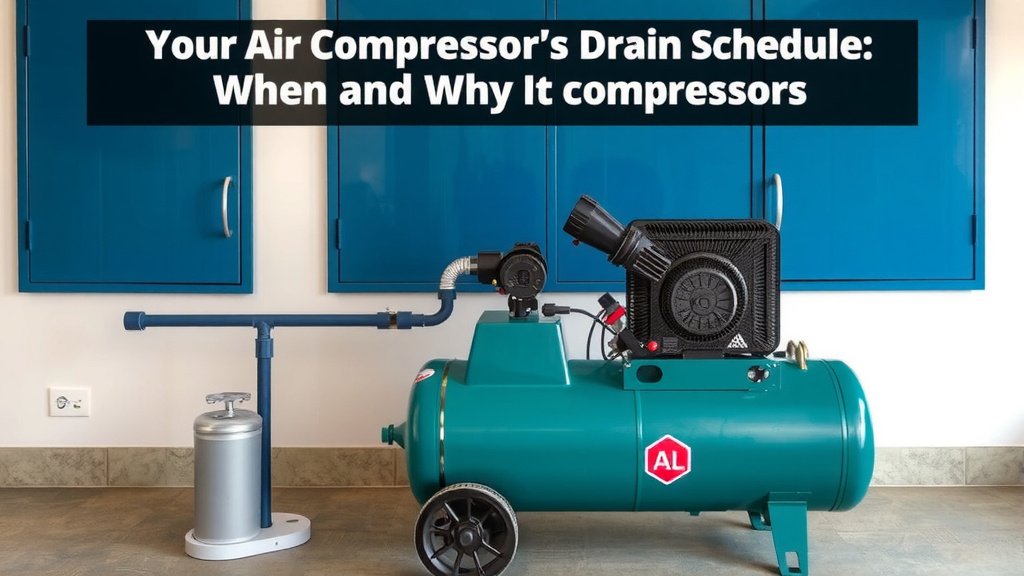
How to Properly Drain Your Air Compressor Tank
Draining your air compressor is surprisingly simple. You don’t need to be a mechanic to do it. Most compressors have a drain valve located at the very bottom of the tank. It usually looks like a small knob or spigot.
Step-by-Step Draining Process
First, make sure your compressor is turned off and unplugged. Safety first, always! Then, locate the drain valve. You’ll want to place a suitable container, like a bucket or pan, underneath it to catch the water.
Slowly open the drain valve. You’ll hear air hissing out, and you should see water draining into your container. Don’t open it too quickly, or you might create a mess. Let it drain until all the air and water are out. Once it’s empty, close the valve securely.
What to Expect: The “Hiss” and the “Drip”
When you open the valve, expect a strong hiss of escaping air. This is normal and means the pressure is releasing. Keep an eye on the liquid coming out. Initially, it might be mostly air, followed by a stream of water. You might even see some oily residue, depending on your compressor type.
Closing the Valve: Tight and Secure
After the draining is complete, make sure to close the valve TIGHTLY. A loose valve can lead to a slow air leak, which wastes energy and reduces your compressor’s efficiency. You don’t want to have to deal with a leak on top of everything else!
When to Drain More Often: A Quick Checklist
Here’s a handy checklist to help you decide if you need to drain more than your usual schedule:
- Has it been over a week since your last drain?
- Has the humidity been particularly high lately?
- Have you been using the compressor for extended periods?
- Are you preparing for a critical project where air quality is essential?
- Do you hear any gurgling or unusual sounds from the tank?
- Have you noticed any moisture in your air tools or lines?
Troubleshooting Common Draining Issues
What if the drain valve is stuck? This is a common frustration. Sometimes, mineral deposits or rust can seize the valve shut. If this happens, try gently tapping around the valve with a wrench (not too hard!). A bit of penetrating oil might also help loosen it. If it still won’t budge, you might need to consult your compressor’s manual or seek professional help.
On the flip side, what if the valve leaks after you close it? Ensure it’s fully tightened. If it continues to drip, the valve seat might be damaged or worn out. In this case, replacing the drain valve is usually the best course of action. Many found that a simple replacement can restore proper function.
| Usage Level | Environment | Recommended Draining Frequency |
|---|---|---|
| Light (occasional use) | Dry Climate | Once every 2 weeks |
| Moderate (several hours per week) | Average Humidity | Once per week |
| Heavy (daily, extended use) | High Humidity | Daily or after each use |
| Very Heavy (industrial) | Any Climate | Multiple times per day |
This table provides a general guideline. Always err on the side of caution and drain more frequently if you suspect moisture buildup. Paying attention to your compressor and its output is key.
Conclusion
You now understand that draining your air compressor regularly is a simple but critical maintenance task. It’s your best defense against moisture buildup, which can lead to rust, tool damage, and even tank failure. Remember that “at least once a week” is a baseline; adjust based on your usage and environment.
Don’t put it off! Make it a habit to check and drain your compressor every week, or even more often if needed. Your tools and your compressor’s longevity will thank you for this small effort.
Frequently Asked Questions
How much water should I expect to drain from my compressor?
The amount of water can vary greatly. On a dry day with light use, you might only see a little condensation. However, on a humid day with heavy usage, you could drain a considerable amount. It’s more about the presence of water than the quantity; any amount warrants draining.
Can I just leave the drain valve slightly open all the time?
No, you absolutely should not leave the drain valve open. This will cause your compressor to lose air pressure constantly, making it inefficient and potentially damaging the motor from overuse. Always ensure the valve is tightly closed when not actively draining.
Is it okay to drain my air compressor when it’s still hot?
Yes, it’s generally fine and even recommended to drain your air compressor while it’s still warm. The heat helps to push out any remaining moisture more effectively. Just be cautious of hot components, and ensure the compressor is turned off and unplugged before you begin draining.
What if my compressor doesn’t seem to produce any water when I drain it?
If you’re not seeing much water, it doesn’t necessarily mean you can skip draining. Moisture can still be present in microscopic amounts or be quickly reabsorbed. It’s best to stick to a regular draining schedule, especially if you use your compressor frequently or in humid conditions, to prevent any potential buildup.
Does the type of air compressor (e.g., oil-lubricated vs. oil-free) affect how often I need to drain it?
While both types produce moisture, oil-lubricated compressors might sometimes have a slight oily residue mixed with the drained water. This doesn’t change the frequency needed for draining; the primary concern for both is still preventing water from accumulating and causing rust. Your draining schedule should primarily be based on usage and environmental factors.