How Often To Drain Air Compressor Water: Best Practices
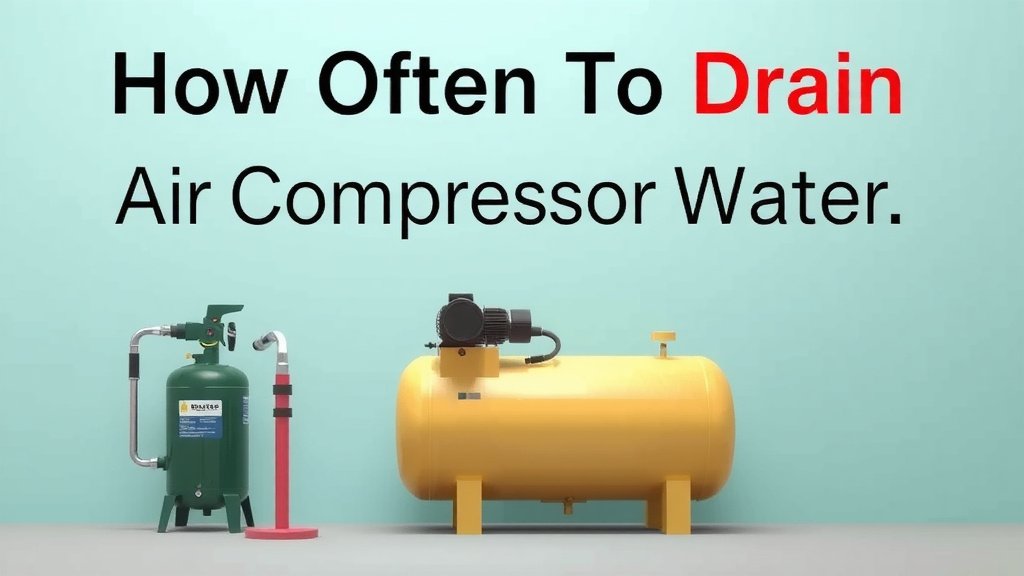
You should drain water from your air compressor tank after every use, or at least once a day. Neglecting this simple step can lead to a tank full of rusty, contaminated water. This contamination can damage your tools and affect your projects. It’s a small task with a big impact on your compressor’s lifespan.
Compressor tanks collect moisture from the air you compress. This water build-up can cause corrosion inside the tank. Over time, this rust can break free. It then travels through your air lines, potentially ruining sensitive tools. Keeping your tank dry is essential for maintaining air quality and tool longevity.
- Drain after every use for best results.
- At minimum, drain once daily.
- Moisture causes tank rust and tool damage.
- Regular draining ensures cleaner air.
- It’s a quick maintenance task.
Let’s walk through why this matters so much and how to do it correctly.
When and How Often to Drain Your Air Compressor Tank
You should drain water from your air compressor tank after every use, or at least once a day. This simple maintenance task is key to preventing damage and ensuring the longevity of your equipment. Ignoring it can lead to rust, contamination, and costly repairs down the line.
Why Draining is So Important
Air compressors work by compressing air. As air is compressed, its temperature rises. When this warm, moist air cools inside your tank, the moisture condenses into liquid water. Think of it like a cold glass on a humid day – water droplets form on the outside. Your compressor tank is doing the same thing, but on the inside.
This collected water can quickly become a problem. If left sitting, it creates a breeding ground for rust. Your tank is typically made of steel, and steel rusts when exposed to water and air. This rust can start to chip away at the inside of your tank. It’s like a slow decay happening within your machine.
The Consequences of a Rusty Tank
What happens when that rust breaks free? It gets propelled through your air lines. This is especially bad news if you use your air compressor for sensitive tools like paint sprayers, nail guns, or delicate engine work. Rust particles can clog up air inlets, damage internal components, and even contaminate your finish work. You might end up with a gritty paint job or a malfunctioning tool.
Many experts agree that maintaining a clean and dry tank is the most critical aspect of air compressor care. It’s a foundational step that impacts everything else. Keeping your air supply clean means your tools perform better and last longer. It also means fewer surprises and less frustration for you.
Establishing a Draining Routine
The ideal time to drain your compressor is right after you finish using it. Most compressors have a small valve, often called a drain cock or drain valve, located at the very bottom of the tank. It’s designed to let out any accumulated water. Simply open this valve, and gravity does the rest.
Consider your usage. If you use your compressor heavily throughout the day, draining it after each significant work session is a smart move. This might mean draining it multiple times a day. However, for most home or light-duty users, draining it once at the end of the day is usually sufficient. The goal is to ensure you’re not leaving water sitting in the tank overnight.
What If I Forget to Drain?
Forgetting to drain your tank occasionally isn’t the end of the world, but making it a habit is what you want to avoid. If you notice a little water when you drain, that’s normal. If you start seeing large amounts of water, or if the water looks dirty or rusty, it’s a sign that you’ve likely let it sit for too long. It might also indicate a more serious issue like a failing tank lining or excessive humidity in your workspace.
Draining Frequency Based on Usage Type
We found that usage patterns heavily influence how often you need to drain. Let’s break it down:
| Usage Type | Recommended Draining Frequency | Reasoning |
|---|---|---|
| Heavy Daily Use (Professional Shop) | After every use, or at least 2-3 times daily | High volume of air compression means more moisture accumulation. |
| Moderate Intermittent Use (DIYer, Garage) | Once daily, after final use | Sufficient to prevent overnight water build-up. |
| Light or Occasional Use (Home Projects) | At least weekly, or after each project completion | Less frequent use means slower water build-up, but still needs attention. |
How to Properly Drain Your Air Compressor
Draining is straightforward. First, ensure the compressor is turned off and the pressure is released from the tank. You don’t want to open the drain valve under pressure. Many compressors have a pressure release valve on the unit itself.
Locate the drain valve at the bottom of the tank. It usually looks like a small knob or a faucet. You might need a wrench to open some types. Position a suitable container or bucket underneath the valve to catch the water. Slowly open the valve. You’ll hear a hiss as the air escapes, followed by water draining out. Let it drain until no more water comes out, only air. Then, close the valve securely.
Types of Drain Valves
There are a few common types of drain valves:
- Manual Ball Valve: These are simple to operate by turning a lever. They are common and easy to use.
- Manual Petcock Valve: Often requires a wrench to open and close. Some can be a bit fiddly.
- Automatic Drain Valves: These are more advanced and can be set to drain at specific intervals or when a certain pressure is reached. They offer convenience but add cost.
No matter the type, the principle is the same: get that water out!
Tips for Reducing Moisture in Your Air Supply
While draining is essential, you can also take steps to reduce the amount of moisture your compressor collects. Consider installing an air dryer or a moisture separator on your air line. These devices remove water vapor before it gets into your tools. Many automotive and industrial applications require these for optimal performance and tool protection.
You can also improve ventilation in your workspace. A cooler, less humid environment will naturally lead to less condensation within the tank. If you’re in a particularly humid region, this can make a noticeable difference. Think of it as giving your compressor a more comfortable environment to work in.
A Quick Checklist for You
Here’s a simple checklist to keep your compressor healthy:
- Drain after every use – it’s the golden rule.
- If not after every use, then drain at least once daily.
- Inspect the drained water for rust or debris.
- Ensure the drain valve is closed tightly after draining.
- Consider a moisture separator for cleaner air.
- Perform regular visual inspections of your tank.
By incorporating these simple habits, you’re setting yourself up for years of reliable air compressor performance. It’s a small effort that pays off big time for your tools and projects.
Conclusion
You’ve learned that regularly draining water from your air compressor tank is a simple yet vital maintenance task. Neglecting it can lead to rust, contaminated air, and damaged tools. Aim to drain it after every use or at least once a day. Following the proper draining procedure ensures cleaner air and extends your compressor’s lifespan. Make this habit a priority, and your air compressor will thank you with reliable performance for years to come. Get into the routine today for better results tomorrow!
Frequently Asked Questions
Can I leave water in my air compressor tank overnight?
It’s strongly recommended that you do not leave water in your air compressor tank overnight. Moisture sitting in the tank can accelerate rust formation. Draining it at the end of your workday prevents this overnight build-up.
What happens if I never drain my air compressor?
If you never drain your air compressor, the inside of the tank will likely rust. This rust can break off and travel through your air lines, damaging tools and potentially ruining your projects. You may also experience reduced air quality.
How much water is normal to drain from an air compressor?
The amount of water you drain can vary depending on humidity and usage. A small amount of condensation is normal, especially after a long use. If you consistently drain large volumes of water, it might indicate high humidity or that the tank has been left undrained for too long.
Does draining frequency change in colder weather?
Yes, colder weather can sometimes increase condensation. If the air is very humid, even in cooler temperatures, you might see more water. It’s always best to stick to your draining schedule based on usage, but be aware that colder, humid conditions may require more frequent attention.
Are automatic drain valves worth the extra cost?
Automatic drain valves can be very convenient, especially for frequent users or those who might forget to drain manually. They ensure regular draining without user intervention. While they add an initial cost, they can save time and potentially prevent damage from missed manual drains.