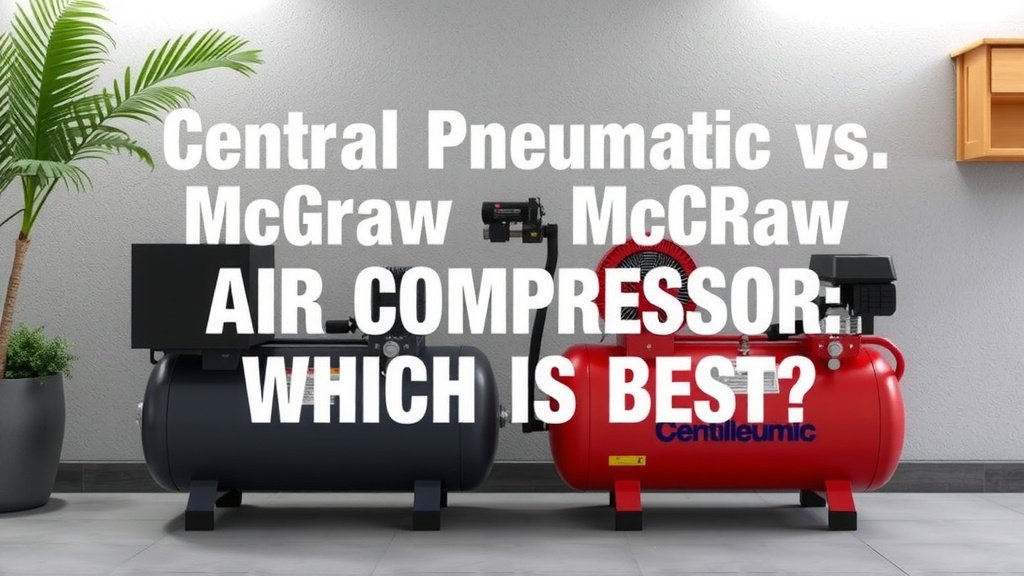
Central Pneumatic vs McGraw Air Compressor: Which is Best
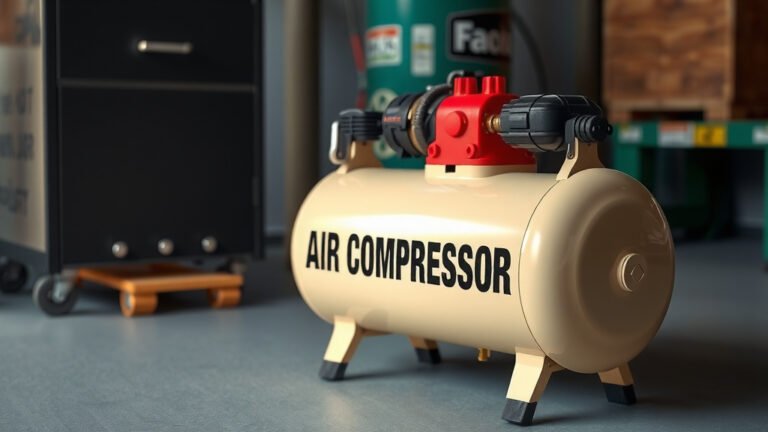
When choosing between a Central Pneumatic and a McGraw air compressor, the best option really depends on your specific needs and budget. Both brands offer reliable tools, but Central Pneumatic often provides a great balance of performance and affordability, making it a solid choice for many DIYers and small shops.
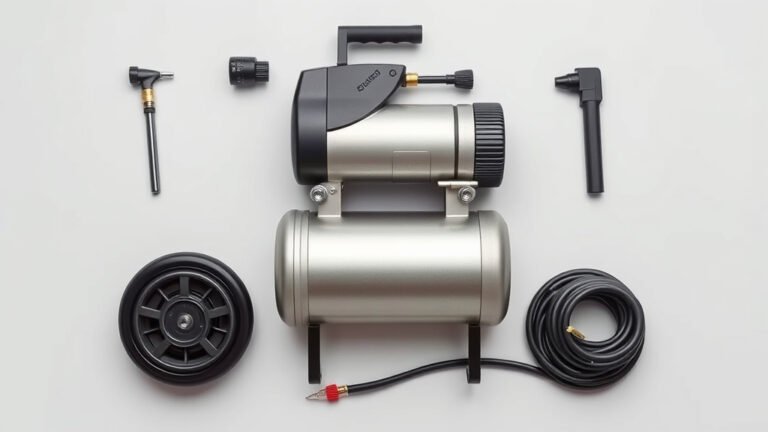
Understanding the differences can save you time and money. Many users look for durability and power. Central Pneumatic is known for its wide range of compressors, while McGraw focuses on specific industrial applications. We’ve researched what makes each stand out. To understand compressor capabilities, learn about the difference between a 1 cylinder vs 2 cylinder air compressor.
- Central Pneumatic is often more budget-friendly.
- McGraw may offer higher-end performance for demanding jobs.
- Consider your project size and frequency of use.
- Check for power ratings and tank size that match your tasks.
Let’s walk through what sets these two popular air compressor brands apart so you can make the best decision for your workshop.
Comparing Central Pneumatic and McGraw Air Compressor Options
Choosing the right air compressor can feel like a big decision. You want something that works well without breaking the bank, right? We’ve looked into Central Pneumatic and McGraw to help you see what each brings to the table.
Understanding Your Air Compressor Needs
Before diving into brands, think about what you’ll use your compressor for. Are you just topping off tires occasionally? Or do you plan on running impact wrenches and sanders daily?
DIY Projects vs. Professional Use
For weekend warriors and hobbyists, a compressor that’s easy to use and won’t cost a fortune is usually key. You might need enough power for smaller tasks like inflating things or using brad nailers. For professional mechanics or serious woodworkers, durability and consistent power output are often more important. They might need to run tools for extended periods.
Power and Performance Metrics
When you look at air compressors, you’ll see numbers like CFM (Cubic Feet per Minute) and PSI (Pounds per Square Inch). CFM tells you how much air the compressor can deliver. PSI tells you the maximum pressure. Your tools will list their CFM and PSI requirements. Matching these is vital for your tools to work correctly. A compressor that’s too small will struggle and won’t perform as expected.
Central Pneumatic Air Compressors: Value and Versatility
Central Pneumatic is often found at Harbor Freight Tools. They are well-known for offering a wide variety of compressors at competitive prices. This makes them a popular choice for many people.
Affordability and Accessibility
One of the biggest draws for Central Pneumatic is its price point. You can often find a decent compressor without spending a lot of money. This is great if you’re on a tight budget or just starting out. They are also widely available, making them easy to find when you need one.
Performance for Everyday Tasks
Central Pneumatic offers models suitable for various needs. Many users find them to be reliable for common household and garage tasks. This includes inflating tires, powering airbrushes, or using smaller pneumatic tools like nail guns. You can get a good amount of performance for the money spent.
Common Tank Sizes and Motor Power
You’ll see a range of tank sizes from small, portable units to larger stationary ones. Motor power also varies, affecting how quickly the tank can refill. For many DIYers, a 20-30 gallon tank with a 2-3 HP motor is a good starting point for general use.
Durability and Maintenance Considerations
While Central Pneumatic compressors are generally considered a good value, their build quality can vary between models. Some users report them being quite durable for the price. Like any tool, proper maintenance, such as draining the tank regularly and keeping the air filter clean, will help extend its lifespan.
McGraw Air Compressors: Focus on Robust Applications
McGraw, often associated with industrial and heavy-duty applications, tends to focus on models built for demanding environments. You might see these more in commercial garages or manufacturing settings.
Built for Tougher Jobs
McGraw compressors are often designed with industrial-grade components. This means they can typically handle more continuous use and higher demands than your average consumer-grade compressor. If you need something that can keep up with constant work, McGraw might be worth a closer look.
Higher PSI and CFM Ratings
We found that McGraw models often boast higher PSI and CFM ratings. This makes them suitable for running more air-hungry tools. Think about things like large sanders, grinders, or even multiple tools being used simultaneously. These compressors are engineered to deliver consistent, powerful airflow.
Durability and Longevity
The emphasis on industrial use often translates to superior build quality and longevity. McGraw compressors are typically built to last, with robust casings and components designed to withstand more rigorous use. This can mean a higher initial investment, but potentially lower costs over time due to fewer repairs or replacements.
What About Cost?
Generally, McGraw air compressors tend to be more expensive than Central Pneumatic. This is due to their focus on higher performance and industrial-grade construction. If your budget is a primary concern, this is an important factor to consider.
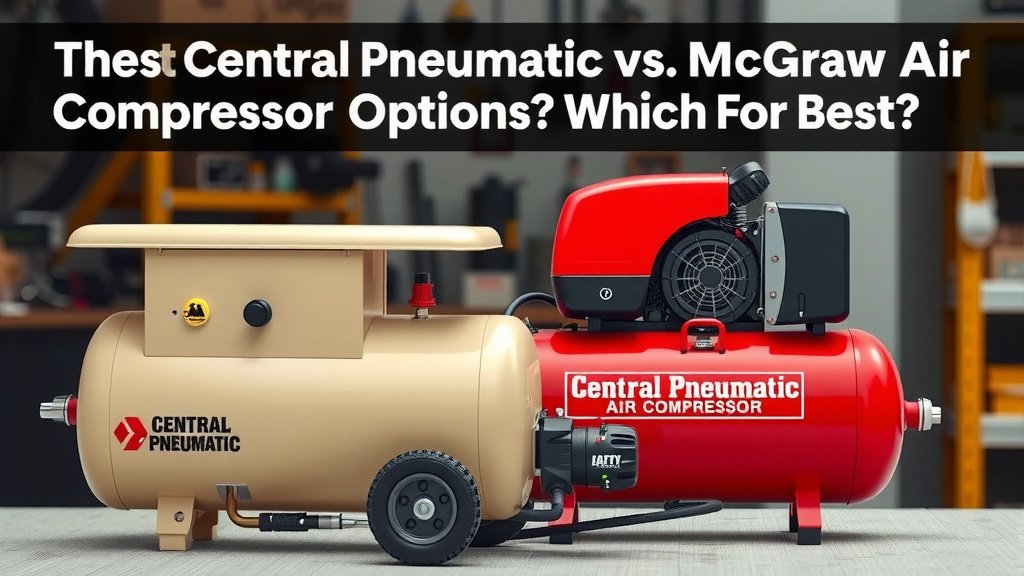
Key Differences at a Glance
Let’s summarize what we’ve found. It’s like picking between a reliable sedan and a heavy-duty truck – both get you there, but for different purposes.
| Feature | Central Pneumatic | McGraw |
|---|---|---|
| Price | More budget-friendly | Higher investment |
| Target User | DIYers, home workshops | Industrial, professional, heavy-duty |
| Performance | Good for general tasks | Higher power for demanding tools |
| Durability | Good value for the price | Built for extended, heavy use |
| Availability | Widely available (e.g., Harbor Freight) | Specialty tool suppliers, industrial distributors |
Making Your Final Decision: A Quick Checklist
To help you zero in on the best choice for your workshop, ask yourself these questions:
- What specific tools will I be powering?
- How often will I use the compressor?
- What is my budget for this purchase?
- Do I need portability or will it stay in one place?
- Am I looking for basic functionality or heavy-duty performance?
Conclusion
Deciding between Central Pneumatic and McGraw air compressors hinges on your workshop’s demands and your budget. If you’re a DIYer or a hobbyist looking for reliable performance for everyday tasks without a hefty price tag, Central Pneumatic is likely your best bet. For professionals tackling heavy-duty jobs or needing consistent high output, McGraw’s industrial focus and robust build might justify the higher cost. You’ve considered your tool requirements, usage frequency, and budget. Now, it’s time to make the choice that best fits your workflow. Visit your local tool supplier or online retailer to compare specific models based on your needs.
Frequently Asked Questions
Which brand is better for automotive repair?
For general automotive repair, Central Pneumatic can handle many tasks like tire inflation and basic air tool use. However, if you plan to run high-demand tools like impact wrenches frequently or for extended periods, a McGraw compressor might offer the sustained power and durability you need.
Are Central Pneumatic compressors good for woodworking?
Central Pneumatic compressors are suitable for many woodworking tasks, especially with brad nailers, staplers, or small routers. For applications requiring continuous airflow, like operating large sanders or spray finishing, you’ll want to ensure the CFM output of the Central Pneumatic model meets your tool’s requirements; otherwise, a McGraw might be a better fit.
What is the typical lifespan of each brand?
A Central Pneumatic compressor, with proper maintenance, can last many years for light to moderate use. McGraw compressors, built for industrial applications, are generally engineered for longer service life and greater durability under heavy, continuous operation, potentially outlasting Central Pneumatic in demanding environments.
Can I use a Central Pneumatic compressor for sandblasting?
Some larger Central Pneumatic models may have sufficient CFM for light-duty sandblasting. However, sandblasting is a very air-hungry process. For consistent and effective sandblasting, especially with larger media or for extended sessions, a McGraw compressor with higher CFM ratings is typically recommended.
Where can I find replacement parts for each brand?
Replacement parts for Central Pneumatic compressors are often readily available through Harbor Freight Tools and other general tool retailers. McGraw parts might be found through industrial supply houses or directly from the manufacturer, potentially requiring a bit more effort to source depending on the specific model and part needed.