When to Replace Your Nebulizer Air Compressor
You should aim to replace your nebulizer air compressor roughly **every 6 to 12 months**, or when you notice a significant **decrease in mist output**. Many experts say consistent maintenance can extend its life, but no compressor lasts forever. It’s important to keep it in good working order for effective treatments.
Thinking about replacing your nebulizer compressor might feel like a chore, but it’s key for your respiratory health. A well-functioning machine delivers medication properly, while an old one might not work as well. We found that understanding the signs of wear and tear helps you know when it’s time for a swap.
- When to replace: Aim for every 6-12 months.
- Signs of a worn-out compressor: Reduced mist, noisy operation.
- Maintenance matters: Proper care can extend its lifespan.
- Why it’s important: Ensures effective medication delivery.
- Check manufacturer guidelines: Always consult your device’s manual.
Let’s dive into the details and make sure your nebulizer is always ready when you need it.
When It’s Time to Refresh Your Nebulizer Compressor
You might be wondering, “How often do I really need to think about replacing my nebulizer air compressor?” It’s a question that pops up for many people relying on these devices for breathing easier. We found that the general consensus among medical experts and manufacturers points to a lifespan of **6 to 12 months** for most standard nebulizer compressors. This timeframe isn’t a strict rule, but rather a guideline based on typical usage and wear and tear. Think of it like changing the oil in your car; doing it regularly helps keep things running smoothly for longer.
Understanding Nebulizer Compressor Lifespan
Your nebulizer compressor is a workhorse, but like any mechanical device, it won’t last forever. Its primary job is to push air through the nebulizer cup, turning liquid medication into a fine mist you can inhale. Over time, the internal parts can wear out. This wear can directly affect how well the medication is delivered. It’s like a tiny engine that gets tired after a lot of miles.
Factors Influencing Compressor Life
Several things can affect how long your compressor stays in top shape. The most obvious is how often you use it. If you use your nebulizer multiple times a day, every day, it will naturally wear out faster than someone who uses it only occasionally. The type of medication you use can also play a role. Some medications might require the compressor to work harder.
We also found that environmental factors matter. Keeping your compressor clean and storing it properly can make a difference. Dust and debris can clog the air filter, forcing the compressor to strain. Extreme temperatures or humidity can also potentially impact its performance over time. So, a little care goes a long way in keeping your device happy.
Signs Your Nebulizer Compressor Needs Replacing
How can you tell if your compressor is on its last legs? There are a few key indicators you should watch out for. The most common sign is a **noticeable decrease in mist output**. You might see a weaker mist, or it might take longer than usual to nebulize your full dose of medication. This is a big red flag that the compressor isn’t generating enough pressure.
Reduced Mist or Inconsistent Output
If you’ve been using your nebulizer for a while and suddenly notice the mist seems thinner, or the spray isn’t as strong, this is a strong signal. The compressor’s motor might be losing power. It’s crucial to have a consistent mist for your medication to be effective. A weak mist might not deliver the full dose where it needs to go in your lungs. We found that this symptom is often the first thing users report when their compressor is nearing the end of its life.
Increased Noise Levels
Has your nebulizer started sounding more like a jet engine preparing for takeoff? An older or failing compressor might become significantly louder. This increased noise often comes from worn-out internal parts, like the motor or piston seals. While some compressors are naturally a bit noisy, a sudden jump in volume is worth investigating. It’s like a car engine starting to rattle; it’s not a good sign.
Longer Treatment Times
If your treatments are taking noticeably longer than they used to, your compressor might be struggling. This means it’s not pushing medication through as efficiently as it once did. You might find yourself sitting for an extra 5 or 10 minutes to get the same amount of medicine. This inefficiency is another tell-tale sign that the compressor’s power is waning. We found that patients often adapt to slight changes, so it’s important to be aware of your usual treatment duration.
The Role of Maintenance in Compressor Longevity
While compressors do have a lifespan, proper maintenance can definitely help them last as long as possible. Think of it as giving your device the best chance to perform well during its service. Regular cleaning and filter changes are key here. These simple steps can prevent minor issues from becoming major ones.
Cleaning Your Nebulizer Components
The nebulizer cup, tubing, and mouthpiece or mask should be cleaned after every use. Follow your manufacturer’s specific instructions, as these parts can vary. Rinsing them thoroughly with warm water and allowing them to air dry is a common recommendation. For a deeper clean, some parts can be disinfected by boiling or using a disinfecting solution. Ensuring these parts are clean prevents medication buildup and keeps air pathways clear.
Replacing the Air Filter
Most nebulizer compressors have a small air filter. This filter is designed to keep dust, particles, and moisture out of the compressor’s motor. A clogged filter restricts airflow and forces the compressor to work harder, shortening its lifespan. We found that many manufacturers recommend checking the air filter monthly and replacing it every **3 to 6 months**, or sooner if it appears dirty or discolored. It’s a small part, but its job is essential.
Proper Storage and Handling
When you’re not using your nebulizer, store it in a clean, dry place. Avoid areas with excessive dust, humidity, or extreme temperatures. Keeping the compressor upright and protecting it from drops or bumps can also help prevent internal damage. Treating your device with care ensures its components remain in good working order.
Making the Decision to Replace Your Compressor
Deciding when to replace your nebulizer compressor involves considering a few things. Your health is the top priority. If you suspect your compressor isn’t working effectively, it’s best to err on the side of caution. Waiting too long could mean you’re not getting the full benefit of your medication. This could potentially lead to a worsening of your respiratory condition.
Consulting Manufacturer Guidelines
Always refer to the owner’s manual for your specific nebulizer model. Manufacturers often provide recommended maintenance schedules and expected lifespan information. They might suggest filter replacement intervals or other service tips. This is your best source for device-specific advice. We found that different models can have slightly different care requirements, so checking your manual is a smart move.
When in Doubt, Reach Out
If you’re unsure about your compressor’s performance, or if you notice any of the warning signs we discussed, it’s a good idea to consult with your doctor or a respiratory therapist. They can help assess your device and advise you on whether it’s time for a replacement. They can also ensure you’re using the correct nebulizer and technique for your condition. Your healthcare provider is your best partner in managing your respiratory health effectively.
Checklist: Is It Time for a New Nebulizer Compressor?
Here’s a quick checklist to help you decide:
- Is the mist output significantly weaker than it used to be?
- Has your compressor become much louder during operation?
- Are your nebulizer treatments taking noticeably longer to complete?
- Does the air filter look dirty or discolored, even after checking it?
- Has it been over 12 months since you last replaced the compressor?
- Are you experiencing any symptoms that suggest your medication isn’t working as well?
If you answered “yes” to one or more of these questions, it might be time to start looking for a new nebulizer air compressor. Your breathing and overall well-being are worth the investment in reliable equipment.
Conclusion
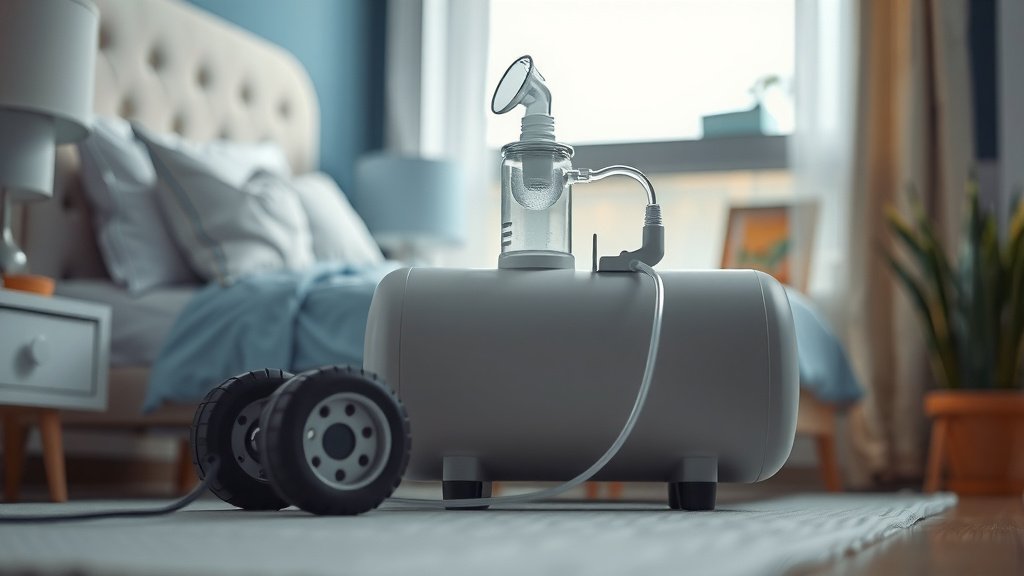
Your nebulizer air compressor is a vital tool for your respiratory health. We’ve seen that while they typically last 6 to 12 months with regular use, performance can decline sooner. Keeping an eye out for reduced mist, increased noise, or longer treatment times is key. Don’t forget that simple maintenance, like changing the air filter, can extend its life. When you notice these signs, it’s time to consider a replacement to ensure you’re getting the most effective medication delivery possible. Prioritizing your equipment means prioritizing your well-being. Your next step is to check your compressor for these signs and consult your manual for specific care tips.
Frequently Asked Questions
How do I know if my nebulizer compressor is broken?
You’ll likely notice a significant drop in mist output, meaning the spray is weaker or takes longer. It might also become much louder during operation than it used to be. These are clear indicators that the compressor is struggling to function effectively.
Can I use my nebulizer compressor for longer than a year?
While some compressors might last beyond 12 months with very light use and diligent maintenance, it’s generally not recommended. Performance can decrease, leading to less effective treatments. It’s better to replace it within the recommended timeframe to ensure optimal medication delivery.
What happens if I don’t replace my nebulizer compressor when needed?
If your compressor is failing, you might not be receiving the full dose of your prescribed medication. This can lead to your respiratory condition not being managed as effectively as it should be. It could also mean longer and less efficient treatment sessions.
Is it more expensive to replace the whole compressor or just the parts?
Replacing just the air filter is a very inexpensive maintenance task. However, if the compressor motor itself is failing, you will need to replace the entire unit. Most often, the compressor unit is replaced when it reaches the end of its lifespan or shows significant signs of wear.
Should I replace my nebulizer compressor if it looks clean?
Yes, you should still consider replacing your compressor based on its age and performance, not just its appearance. Internal components wear out over time regardless of external cleanliness. If it’s been over a year or you’re seeing reduced mist, replacement is a good idea.