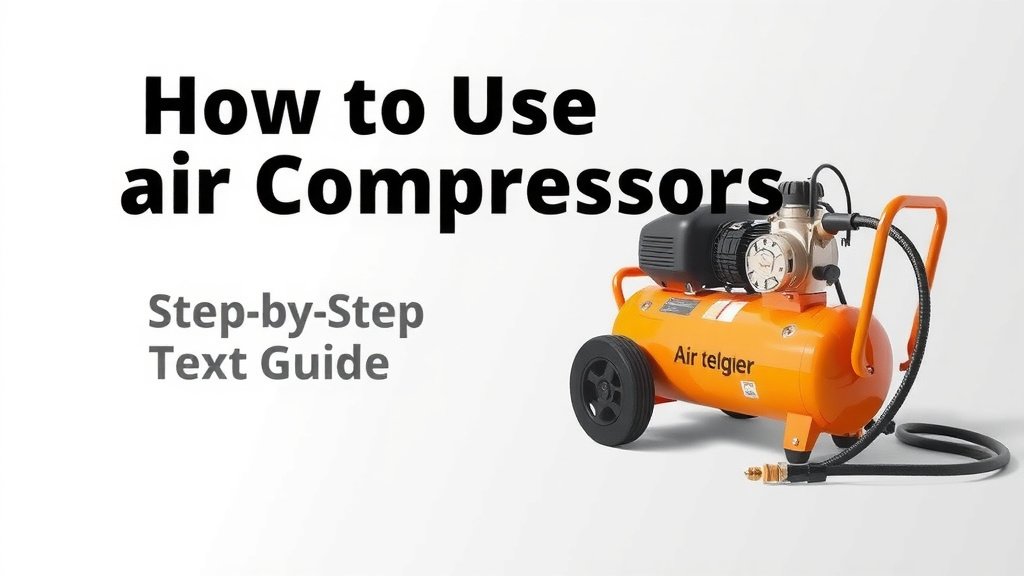
How to Use an Air Compressor: A Step-by-Step Guide
Learning how to air condition your home can lead to a more comfortable living space and lower energy bills. You can effectively cool your house by understanding a few key principles. This guide will help you make informed decisions for your specific needs.
Proper air conditioning involves more than just setting a thermostat. It’s about balancing cooling power with energy efficiency. We found that many homeowners overlook simple maintenance steps that can boost performance. Let’s make sure your system works smarter, not harder.
- Understand your AC system’s basics.
- Learn about essential maintenance tasks.
- Discover how to improve efficiency.
- Know when to call a professional.
Below, we’ll break down everything you need to know to keep your home cool and your system running smoothly.
Getting Your Home Air Conditioner Working Right
Ensuring your air conditioner runs efficiently is key to a comfortable home. It’s not just about staying cool. A well-maintained system uses less energy. This can lead to noticeable savings on your utility bills. We want to help you understand the basics and keep your system in top shape.
Understanding Your AC System’s Components
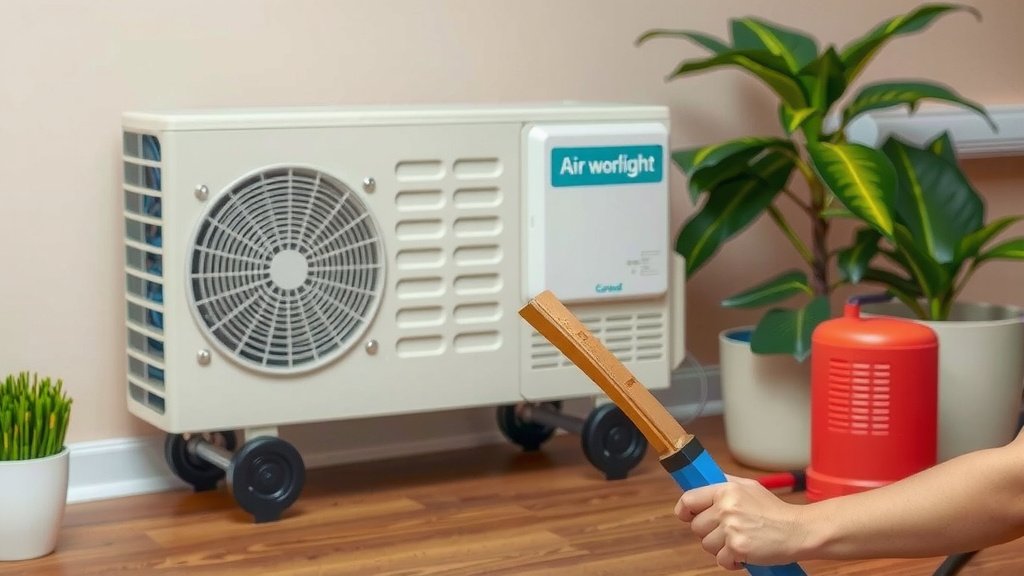
Before you can maintain your air conditioner, it helps to know what’s inside. Most home AC systems have two main parts. There’s an outdoor unit and an indoor unit. The outdoor unit is often called the condenser. It houses the compressor and the condenser coil. The indoor unit is usually part of your furnace. It contains the evaporator coil and the air handler.
The Role of the Compressor
The compressor is like the heart of your air conditioning system. It pumps refrigerant through the coils. This refrigerant is what absorbs heat from your home. Many experts say a healthy compressor is vital for efficient cooling (U.S. Department of Energy). If the compressor is struggling, your whole system will too.
Evaporator and Condenser Coils
The evaporator coil is inside your home. It gets cold and absorbs heat from the air. The condenser coil is outside. It releases the heat absorbed by the refrigerant. These coils need to be clean to work properly. Dirt and debris can really hinder their ability to transfer heat effectively.
Essential AC Maintenance You Can Do
Regular maintenance is your best friend when it comes to AC systems. It prevents small issues from becoming big, expensive problems. Plus, it ensures your system runs at its peak performance. Think of it like giving your car an oil change. It keeps everything running smoothly.
Cleaning and Replacing Air Filters
This is probably the most important and easiest task you can do. Your air filter traps dust, pollen, and other particles. A clogged filter restricts airflow. This makes your system work harder and use more energy. Many find that changing filters monthly can improve efficiency significantly.
The type of filter you use matters. Higher MERV-rated filters trap smaller particles. However, they can also restrict airflow more. You need to find a balance that works for your system. Check your owner’s manual for recommendations. We found that using the wrong filter can actually damage your system over time.
Keeping the Outdoor Unit Clean
Your outdoor condenser unit needs space to breathe. Keep the area around it clear of leaves, grass clippings, and other debris. We recommend clearing a 2-foot radius. Also, gently hose down the fins on the condenser coil. Do this a couple of times a year. This helps remove dirt that can insulate the coil and reduce efficiency.
Be careful when cleaning. You don’t want to bend the delicate fins. Use a soft brush or a garden hose on a gentle setting. Turn off the power to the unit before you start cleaning. Safety first, always!
Checking Your Condensate Drain Line
As your AC cools your home, it removes moisture from the air. This moisture drains away through a condensate drain line. If this line gets clogged, water can back up. This can lead to water damage or shut down your system. Many homeowners experience this issue. You can often clear minor clogs yourself with a wet/dry vacuum or by pouring a mixture of vinegar and water down the line.
Improving Your Home’s Air Conditioning Efficiency
Keeping your AC running well is one thing. Making it run more efficiently is another. These tips can help you get the most cooling power for your energy dollar.
Sealing Air Leaks
Air leaks around windows, doors, and ductwork can waste a lot of cooled air. It’s like having tiny holes in a balloon. We found that sealing these leaks can make a big difference. Use caulk or weatherstripping to seal gaps. For ductwork, specialized mastic sealant or metal tape works best.
Using Fans Wisely
Ceiling fans and portable fans don’t cool the air itself. They create a wind-chill effect on your skin. This can make you feel cooler. Using fans allows you to set your thermostat a few degrees higher. This saves energy. Many people don’t realize how much energy they can save this way.
Smart Thermostat Use
A programmable or smart thermostat can be a game-changer. You can set schedules to reduce cooling when you’re asleep or away. Smart thermostats learn your habits and can be controlled remotely. We found that a smart thermostat can help reduce energy bills by up to 10% annually (Energy.gov). Make sure to program it correctly for maximum benefit.
When to Call a Professional HVAC Technician
While some maintenance is easy for homeowners, other tasks require a professional. If you hear strange noises, notice leaks, or your system isn’t cooling effectively, it’s time to call an expert. Attempting complex repairs yourself can void warranties or cause further damage.
Here’s a quick checklist of when to seek professional help:
- Your AC isn’t cooling at all.
- You hear grinding or squealing noises.
- There’s ice buildup on the coils.
- Your energy bills are unusually high.
- You smell foul odors.
- Your system cycles on and off frequently.
Regular professional tune-ups, typically once a year, can catch potential issues early. Experts can identify problems you might miss. They can also ensure your system is running optimally for the upcoming cooling season. It’s an investment in your home’s comfort and your system’s lifespan.
Conclusion
Keeping your home cool and your air conditioner running efficiently is within your reach. You’ve learned about the core components, like the vital compressor, and the importance of clean coils. Remember that simple, regular maintenance, such as changing air filters and cleaning the outdoor unit, makes a big difference. You can also boost efficiency by sealing leaks and using fans and smart thermostats wisely. Don’t hesitate to call a professional for complex issues. Your next step is to **schedule a quick check of your air filters** and clear the debris around your outdoor unit this week.
Frequently Asked Questions
How often should I replace my AC air filter?
We recommend checking your air filter monthly. Depending on your home’s air quality and filter type, you might need to replace it every 1-3 months. A dirty filter restricts airflow, making your system work harder and use more energy.
What does the AC compressor actually do?
Think of the compressor as the heart of your AC system. It pumps the refrigerant, which is the fluid that absorbs heat from inside your home and releases it outside. A healthy compressor is essential for effective cooling and system longevity.
Can I clean my AC’s outdoor unit myself?
Yes, you can! With the power turned off, you can gently hose down the fins on your outdoor condenser unit. Make sure to clear away leaves and debris within a 2-foot radius. This helps improve its ability to release heat.
My AC is making strange noises. What should I do?
If you hear grinding, squealing, or other unusual sounds, it’s best to stop using the system and call a professional HVAC technician. These noises can indicate serious problems with the compressor or other components that require expert attention.
How can sealing air leaks help my AC?
Air leaks around windows, doors, and ductwork allow your cooled air to escape. By sealing these gaps with caulk or weatherstripping, you prevent cool air loss. This means your AC doesn’t have to run as often to maintain your desired temperature, saving you energy.