Build Your Own Gas Air Compressor: A Step-by-Step Guide
Building your own gas air compressor is absolutely achievable with the right parts and guidance. You’ll need a power source, a compressor pump, and a storage tank to get started. While it might seem daunting, many DIYers have successfully tackled this project. You can build a robust unit for less than buying new.
This project allows for a lot of customization. You can tailor the size and power to your specific needs. Many find it rewarding to create a tool that perfectly fits their workshop or garage. It’s a great way to learn more about mechanics and save money. Plus, you get the satisfaction of building it yourself!
- You need a pump, motor, and tank.
- Consider your power needs carefully.
- Safety is extremely important throughout.
- It’s a DIY project that saves money.
- Customization is a big benefit.
Ready to get your hands dirty? Let’s walk through exactly how you can build your very own gas air compressor, step by step.
Putting Together Your Own Gas Air Compressor
Building your own gas air compressor might sound like a big job. But with the right approach, you can create a powerful tool. We’ve found that gathering the right components is the first big step. You’ll need a gas engine, a compressor pump, and a storage tank. Making sure these parts are compatible is key for a successful build.
Choosing Your Power Source: The Gas Engine
The heart of your gas air compressor is the engine. You’ll want something reliable and powerful enough for your needs. Common choices include small gasoline engines, often found on lawnmowers or generators. Think about the horsepower (HP) you’ll require. For most DIY projects, a 5-10 HP engine is usually sufficient.
Engine Size Matters
Larger engines mean more power. This translates to faster tank filling and the ability to run more demanding air tools. However, a bigger engine also means more fuel consumption and a heavier unit. Consider the type of work you’ll be doing. Are you just topping off tires, or running sandblasters? This will guide your engine choice.
Engine Maintenance Considerations
Remember that gas engines require regular maintenance. You’ll need to check oil levels, change filters, and keep them clean. Researching the specific engine model you choose will help you understand its maintenance schedule. Keeping your engine in good shape ensures your compressor runs smoothly for years.
The Compressor Pump: The Air Maker
The pump is what actually compresses the air. There are two main types: single-stage and two-stage. A single-stage pump compresses air once. A two-stage pump compresses it twice, which results in higher pressure. For most home or small shop use, a single-stage pump is perfectly adequate.
Matching Pump to Engine
It’s crucial that your pump and engine are compatible. The engine’s horsepower needs to be able to turn the pump effectively. Most pump manufacturers will specify the minimum HP required for their models. You’ll also want to consider the CFM (Cubic Feet per Minute) rating. This tells you how much air the pump can move.
Pump Types and Oil
Most DIY-friendly pumps are oil-lubricated. This means they need regular oil checks and changes, much like your car engine. Some higher-end models are oil-free, which means less maintenance but they can be noisier and may not last as long. Research suggests oil-lubricated pumps often offer better longevity for heavy use (National Tooling Association).
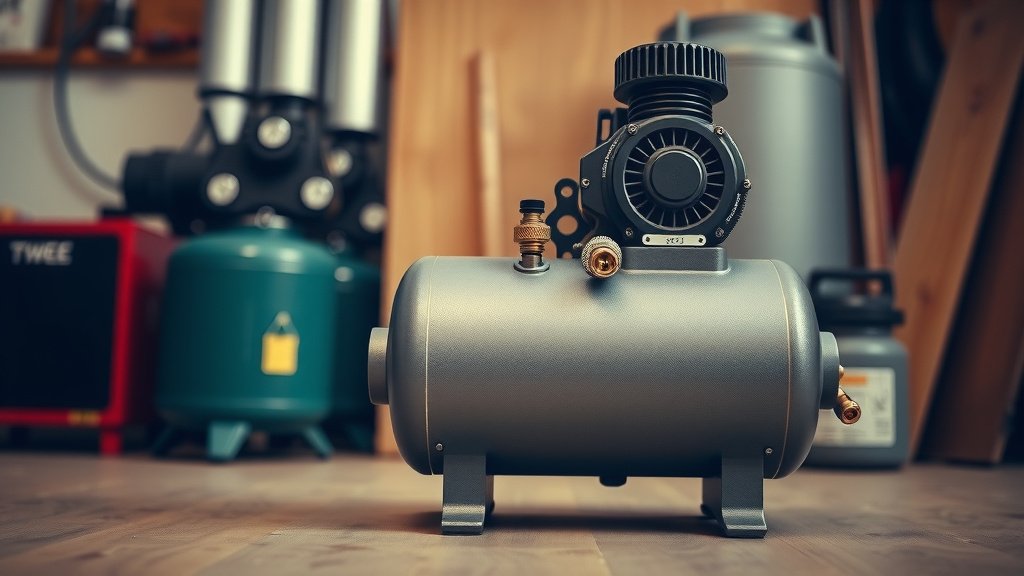
The Air Storage Tank: Holding the Pressure
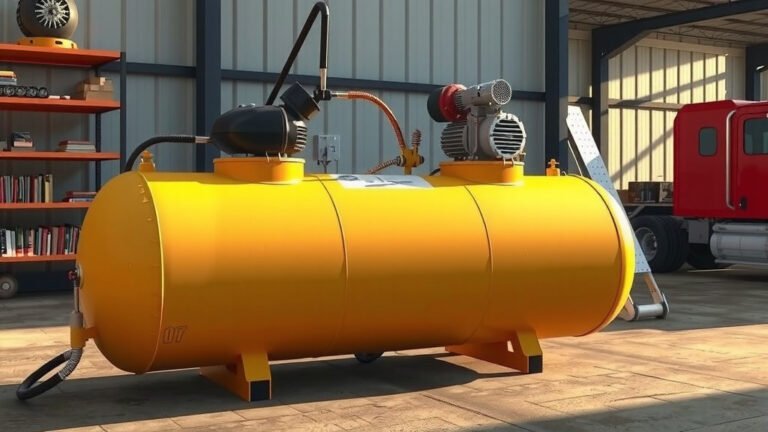
The air tank stores the compressed air. Tanks come in various sizes, measured in gallons. A larger tank means you can run air tools for longer periods before the compressor needs to build pressure again. Think about how long you’ll use your air tools continuously.
Tank Size and CFM: A Balancing Act
If your pump has a high CFM, you might still benefit from a larger tank. This allows the compressor to keep up with demand. For example, running a framing nailer might only require a moderate CFM and a smaller tank. However, using an impact wrench or sandblaster will demand more air, making a larger tank and higher CFM pump a better combination.
Safety First: Tank Regulations
Air tanks are pressurized vessels, so safety is a top priority. Always use a tank that is specifically designed for compressed air. Look for ASME (American Society of Mechanical Engineers) certified tanks. These have been built to strict safety standards. Never modify a tank unless you have expert knowledge. A failing tank can be extremely dangerous.
Assembly Steps: Bringing It All Together
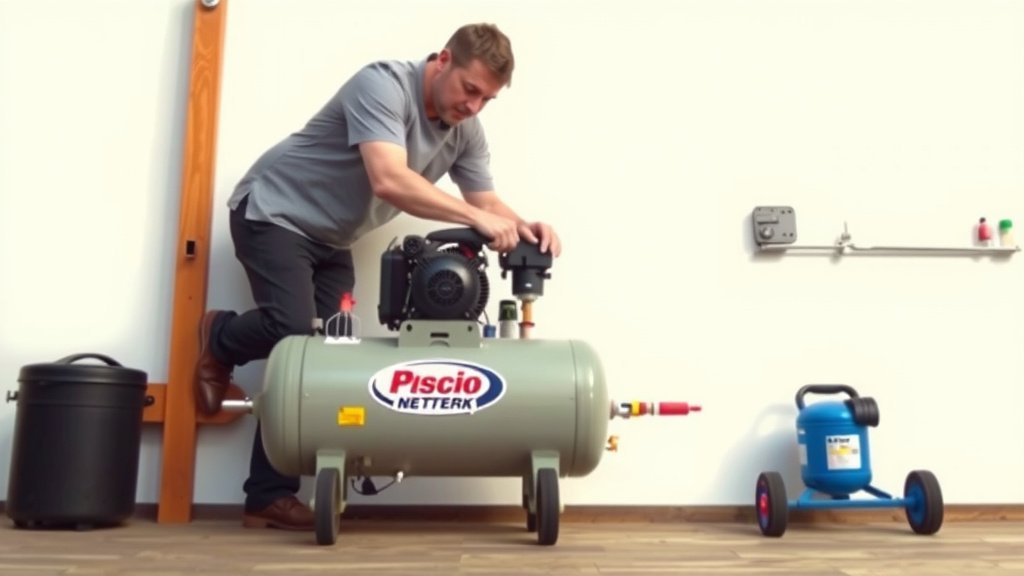
Once you have your engine, pump, and tank, it’s time for assembly. Start by mounting the engine and pump. You’ll typically bolt them to a sturdy frame or base. Many DIYers use a steel angle iron frame for rigidity. Ensure the engine and pump shafts are aligned correctly. Misalignment can cause vibration and premature wear.
Connecting the Pump to the Engine
You’ll need a drive system to connect the engine to the pump. This is usually done with a pulley system. The engine has a pulley, and the pump has one. You’ll connect these with a V-belt. The ratio of the pulley sizes determines the pump’s speed relative to the engine’s speed. Consult your pump manual for recommended RPMs.
Plumbing and Safety Valves
Next, you’ll connect the pump’s outlet to the air tank. Use appropriate high-pressure hoses and fittings. Install a pressure regulator to control the output air pressure. Don’t forget a safety relief valve on the tank. This valve will automatically release excess pressure if something goes wrong. It’s a critical safety feature.
Final Checks and Testing
Before starting, double-check all connections. Ensure belts are tensioned correctly. Add the correct type and amount of oil to the pump and engine. Start the engine at a moderate speed. Let the tank fill slowly, monitoring the pressure gauge. Listen for any unusual noises. Once it reaches its cut-off pressure, let it sit and check for leaks.
Essential Safety Gear Checklist
- Safety glasses or goggles
- Hearing protection (earplugs or earmuffs)
- Sturdy work gloves
- Steel-toed boots
- Respirator (if working with paint or chemicals)
Always consult the manuals for your specific engine and pump. They contain vital information about operation and safety. If you’re unsure about any step, it’s always best to seek advice from someone experienced. Taking your time ensures a safe and successful build.
Conclusion
You’ve learned how to build your own gas air compressor, a project that offers both savings and satisfaction. By carefully selecting your engine, pump, and tank, and paying close attention to their compatibility, you’re well on your way. Remember that proper assembly, particularly with the drive system and safety features, is vital. Your custom-built compressor will be a powerful asset for your workshop. Now, take the information you’ve gathered and start planning your build!
Frequently Asked Questions
What kind of gas engine is best for a DIY air compressor?
For most DIY projects, a gasoline engine between 5 to 10 horsepower is usually sufficient. Consider the type of air tools you plan to run. More demanding tools will require a more powerful engine. Research reliable brands known for their durability.
How do I know if my compressor pump is compatible with my engine?
The key is matching the engine’s horsepower to the pump’s requirements. Pump manufacturers specify the minimum HP needed. You should also check the pump’s CFM rating. This ensures your engine can adequately power the pump to compress air effectively.
Are oil-free compressor pumps a good option for a homemade unit?
Oil-free pumps mean less maintenance, which can be appealing. However, they tend to be noisier and may not last as long as oil-lubricated models, especially with heavy use. For a DIY build focused on longevity, an oil-lubricated pump is often a better choice.
What is the most important safety component to include?
A safety relief valve on the air tank is absolutely essential. This valve automatically releases excess pressure if something goes wrong, preventing dangerous over-pressurization. Always ensure it’s correctly installed and functional.
How do I connect the engine to the compressor pump?
The most common method is using a pulley system with a V-belt. The engine and pump each have a pulley, connected by the belt. The size ratio of these pulleys determines the pump’s operating speed relative to the engine’s speed. Always refer to your pump manual for recommended RPMs.