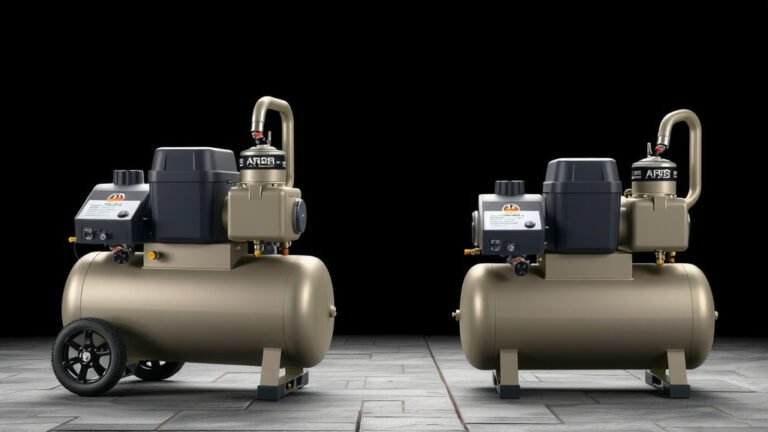
Dry Air from Air Compressor: Your Essential Guide
You can get dry air from your air compressor by using a desiccant dryer, a refrigerant dryer, or by properly managing your compressor’s moisture removal systems. These methods help prevent condensation, which can damage your tools and projects. Getting rid of water vapor is key for optimal performance.
Moisture in compressed air can lead to costly repairs and affect the quality of your work. Many people find that standard air filters aren’t enough. It’s important to understand the different types of dryers and how they work. Choosing the right system depends on your specific needs and the environment you work in. We found that proper maintenance is often overlooked.
- Use desiccant or refrigerant dryers for drier air.
- Ensure your compressor’s built-in water removal is functioning.
- Regularly drain water from tanks and filters.
- Consider air quality needs for your projects.
- Proper drying protects your tools.
Let’s walk through exactly how to ensure your compressed air is nice and dry, step by step.
So, you’ve got an air compressor, but the air coming out feels a little… *damp*. You’re not alone! Many DIYers and professionals run into this issue. That moisture can do a real number on your tools, rust up your projects, and generally make things frustrating. But don’t worry, getting wonderfully dry air from your compressor is totally achievable. We’re going to break down the best ways to tackle this so your air is as dry as a desert breeze.
Tackling Moisture: Your Air Compressor’s Dryness Mission
Your main goal is to remove water vapor from the compressed air. This usually involves some form of drying or filtering. You can achieve this through a few key methods. Each method has its own strengths. Let’s figure out which one is best for your needs.
Understanding Where Moisture Comes From
Before we dive into solutions, it helps to know why water shows up in the first place. Air naturally contains moisture. When you compress air, you squeeze it into a smaller space. This process heats up the air. As the hot, compressed air cools down, its ability to hold moisture decreases. Think of it like a cold drink on a hot day – condensation forms on the outside. The same thing happens inside your air compressor system. This condensed water can then build up in your tank, lines, and tools.
The Heat and Cool Cycle
The compression itself generates heat. Then, as the air cools in the tank and lines, moisture is released. This is a constant battle you’re fighting.
Ambient Humidity Matters
If you live in a humid climate, there’s more water vapor in the air to begin with. This means your compressor has to work harder to remove it. We found that higher ambient humidity definitely increases the challenge.
Built-In Moisture Management: The First Line of Defense
Most air compressors come with some basic systems to handle moisture. These are your first and easiest steps. Making sure these are working correctly is vital. It’s surprising how often these are overlooked. Regular maintenance here can save you a lot of headaches.
Draining the Tank
Your air compressor tank is where a lot of the moisture will collect. Most tanks have a drain valve at the bottom. You need to open this valve regularly to let the water out. How often depends on how much you use the compressor and the humidity. We recommend draining it at the end of each use. Some tanks have an automatic drain valve, which is a real time-saver. If yours doesn’t, a quick manual drain is easy to do.
Water Separators and Filters
Many compressors also have inline filters or water separators. These devices help trap water and oil droplets from the air. They are usually located after the compressor tank. Just like the tank drain, these need to be checked and drained regularly. Some have small bowls that collect water and a little valve to release it. Others might be disposable filters that need replacing. We found that keeping these clean is essential for good air quality. Many compressors also have inline filters or water separators that help trap water and oil droplets.
When Basic Drains Aren’t Enough: Air Dryers
If you’re using your compressed air for sensitive applications, like painting, powder coating, or running precision pneumatic tools, the moisture removed by basic drains might not be enough. This is where air dryers come into play. They are designed to remove a much higher percentage of the water vapor.
Refrigerant Dryers: The Chill Method
Refrigerant dryers work much like your home air conditioner. They cool the compressed air down to a very low temperature. This causes almost all the moisture to condense out. The condensed water is then automatically drained away. These dryers are good for general shop use and many industrial applications. They can typically dry air down to about a 35-40°F dew point. A dew point is the temperature at which air becomes saturated with water vapor. Lower dew points mean drier air. Refrigerant dryers are energy-efficient for their capacity. However, they don’t dry the air to extremely low dew points, so they might not be suitable for very demanding uses.
Desiccant Dryers: The Absorbing Approach
Desiccant dryers use a special material, called a desiccant, to absorb moisture from the air. Think of it like those little packets you find in shoe boxes that say “Do Not Eat.” These packets contain silica gel, which is a desiccant. Desiccant dryers use larger amounts of this material, often in bead form. As the moist compressed air passes through the desiccant bed, the material soaks up the water vapor.
How Desiccant Dryers Work
Most desiccant dryers have two or more towers filled with desiccant material. While one tower is drying the incoming air, the other tower is being regenerated. Regeneration means removing the absorbed moisture from the desiccant so it can be used again. This is usually done by heating the desiccant or by using a small purge of dry air to carry the moisture away. Some dryers use a “heatless” regeneration where a small amount of dry air is passed through the saturated desiccant to remove the moisture. Others use heat to more effectively dry the desiccant beads. We found that desiccant dryers can achieve very low dew points, often down to -40°F or even lower. This makes them ideal for critical applications.
Types of Desiccant Dryers
There are different types of desiccant dryers, including:
- Heatless Regenerative Dryers: These use a portion of the dry compressed air to purge the moisture from the desiccant. They are common but use more compressed air.
- Heated Regenerative Dryers: These use heat to regenerate the desiccant, which is more energy-efficient but can be slower.
- Blower Purge Dryers: These use a blower to move heated air through the desiccant, offering a balance of performance and efficiency.
Making the Right Choice for Your Needs
So, which method is best for you? It really boils down to what you’re using the compressed air for and your budget. For basic tool use and inflating tires, ensuring your tank and filters are drained regularly is often enough. If you’re doing a lot of painting, woodworking, or using sensitive electronics, a refrigerant dryer might be your next step. For the absolute driest air, like for laboratory equipment or very fine finishing work, a desiccant dryer is likely your best bet.
We did some digging, and many manufacturers recommend a dew point of 50°F or lower for general applications, while critical applications might need dew points below -40°F (National Air Filtration Association).
A Quick Checklist for Drier Air
Here’s a simple checklist to help you keep your compressed air dry:
- Drain your compressor tank at the end of each use.
- Check and drain any inline water separators or filters regularly.
- Inspect your compressor’s drain valves to ensure they are working properly.
- Consider an automatic drain valve if you have a lot of moisture issues.
- Evaluate if you need a dryer based on your tool or project requirements.
- Regularly maintain any dryer you install according to the manufacturer’s instructions.
Conclusion
You’ve learned that getting dry air from your compressor involves more than just turning it on. By understanding the moisture cycle and utilizing your compressor’s built-in systems, you’re already ahead. For tougher jobs, investing in a refrigerant or desiccant dryer can make a huge difference. Don’t overlook regular maintenance—draining tanks and checking filters are simple steps that prevent big problems. Your tools and projects will thank you for the effort. Start by checking your current setup and draining your tank today!
Frequently Asked Questions
How often should I drain my air compressor tank?
We recommend draining your compressor tank at the end of each use. This simple habit removes accumulated water. If you live in a humid climate or use your compressor heavily, you might need to drain it more often.
Can I use a desiccant dryer with any air compressor?
Yes, desiccant dryers can be used with most types of air compressors. You’ll need to match the dryer’s flow rate capacity to your compressor’s output. It’s a great way to achieve very low dew points for sensitive applications.
What is a “dew point” and why does it matter?
The dew point is the temperature at which air becomes saturated and condensation forms. A lower dew point means drier air. For painting or precision work, a low dew point prevents water from affecting your finish.
Are refrigerant dryers noisy?
Refrigerant dryers typically operate with a similar noise level to a refrigerator or an air conditioner. The sound comes from the compressor and fan. For most workshops, the noise is not a significant issue.
What’s the difference between a water separator and an air dryer?
A water separator, often found as a filter, removes liquid water and oil. An air dryer, like a refrigerant or desiccant dryer, removes water vapor. Dryers achieve much lower moisture levels than simple separators.