Air Dryer to Air Compressor Distance: What You Need to Know

Air Dryer to Air Compressor Distance: What You Need to Know

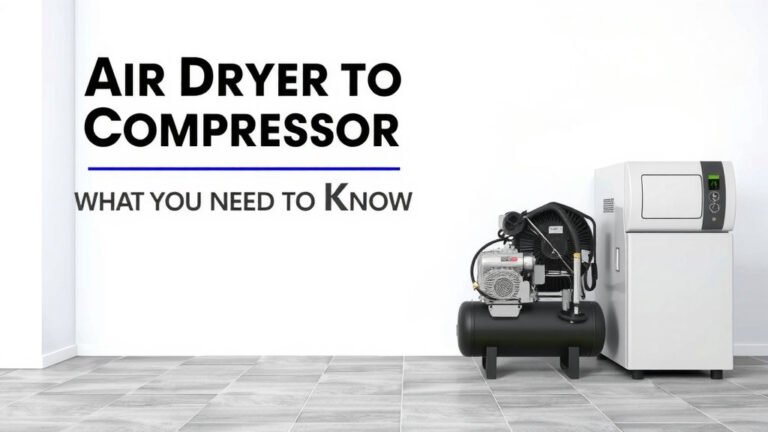
You might be wondering, how far should an air dryer be from an air compressor? For optimal performance and longevity, place your air dryer within 10-25 feet of your air compressor. This distance helps maintain air quality and prevents excessive pressure drop. It’s a sweet spot that balances efficiency with practical setup. Getting this distance…
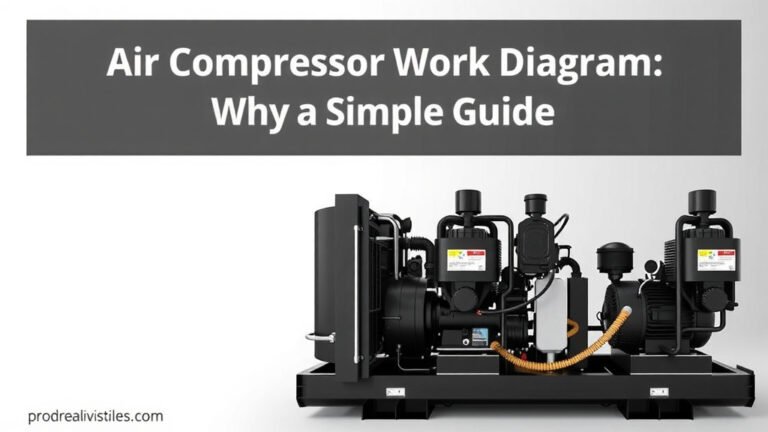
Air Compressor Work Diagram Explained: A Simple Guide

Air Compressor Work Diagram Explained: A Simple Guide

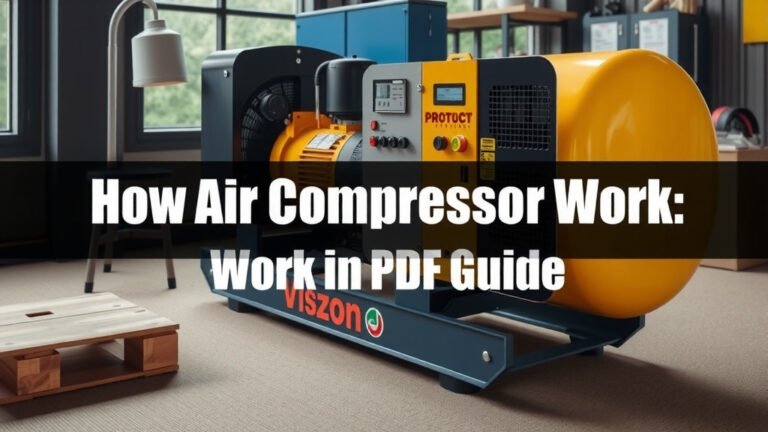
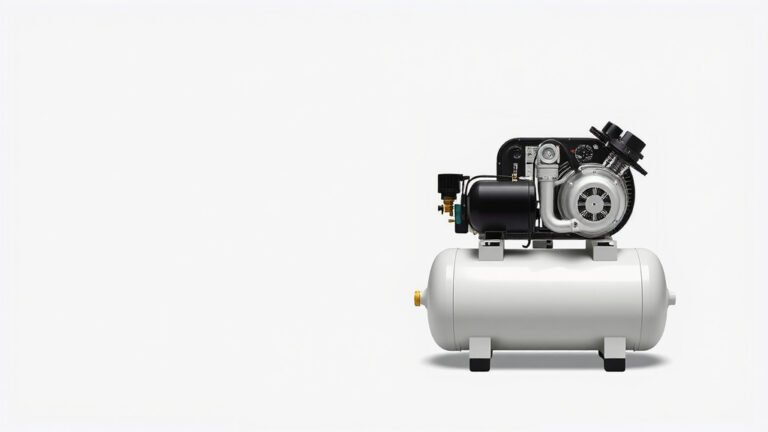
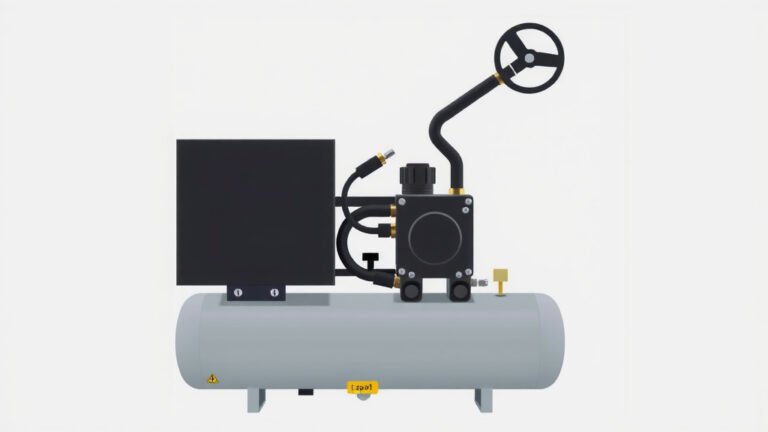
An air compressor works by drawing in ambient air, compressing it, and then storing it in a tank. This process increases the air’s pressure, making it ready to power tools or machinery. We found that understanding the basic components and their roles is key to grasping how an air compressor diagram explains its function. When…

Optimal Filter Distance From Air Compressor: How Far Is Best

Optimal Filter Distance From Air Compressor: How Far Is Best

The ideal distance for an air compressor filter is typically very close to the compressor, often directly attached or within a few inches. This proximity is essential for capturing contaminants before they enter your air system. Placing the filter too far away can allow dust and moisture to travel further into your tools and equipment….

How Much Does a 60 Gallon Air Compressor Weigh?

How Much Does a 60 Gallon Air Compressor Weigh?

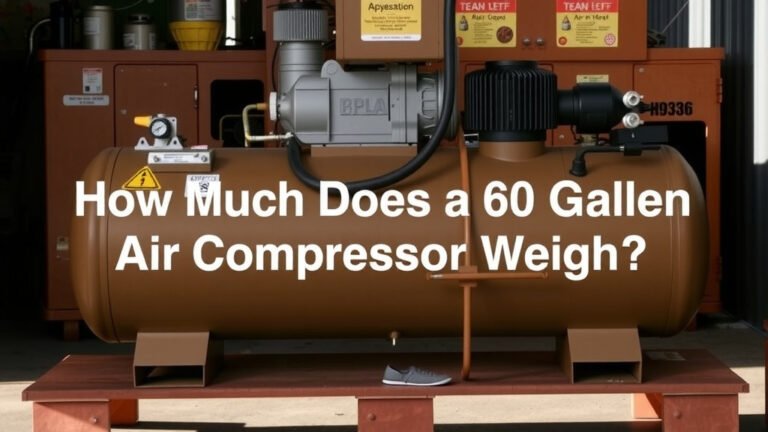
A 60-gallon air compressor typically weighs between 150 and 300 pounds. This weight can vary depending on the specific brand, tank design, and whether it’s a portable or stationary unit. Many DIYers find this weight makes them difficult to move alone. When you’re looking at a 60-gallon air compressor, its size and weight are key…

Altitude’s Impact on Air Compressor Performance Explained

Altitude’s Impact on Air Compressor Performance Explained

Yes, altitude absolutely affects air compressors. At higher altitudes, the air is less dense, meaning your compressor has to work harder to draw in and compress the same amount of air. This can lead to reduced performance and increased wear if not accounted for. Think of it like trying to breathe on a mountaintop –…

How Air Compressor Dryers Work: A Detailed Explanation

How Air Compressor Dryers Work: A Detailed Explanation

An air compressor dryer works by removing moisture from compressed air, preventing damage to tools and your system. It does this through various methods like refrigeration, desiccant adsorption, or a combination, ensuring you get dry, clean air for your applications. This process is vital because moist air can lead to rust, freezing, and poor performance…

How Air Compressors Know When to Shut Off

How Air Compressors Know When to Shut Off

An air compressor knows when to shut off thanks to a pressure switch. This clever device monitors the air pressure inside the tank. When the pressure reaches a preset maximum level, the switch tells the compressor motor to stop. It’s a simple yet effective way to prevent over-pressurization and ensure your compressor works safely. Think…

How Hot Should An Air Compressor Get? What’s Normal

How Hot Should An Air Compressor Get? What’s Normal

Your air compressor is designed to get warm during operation, but not dangerously hot. A healthy operating temperature for most air compressors is typically between 160°F and 200°F. Anything significantly above this range could signal a problem you’ll want to address soon. We found that exceeding 200°F consistently can lead to reduced lifespan and potential…