How Much Does an Air Compressor Weigh October 2026
The weight of an air compressor varies widely, typically ranging from under 20 pounds for small portable units to over 500 pounds for large industrial models. The size and power of the compressor directly influence how heavy it will be. You might be surprised at how much a heavier unit can boost your projects.
When you’re looking for an air compressor, its weight is a key factor to consider. A lighter compressor is easier to move around your garage or job site. A heavier one might offer more power but will likely need a dedicated spot. We found that understanding these differences helps you make the right choice for your needs.
- Air compressor weight depends on its size and power.
- Portable models can be under 20 lbs.
- Industrial units can weigh over 500 lbs.
- Weight impacts portability and storage.
Let’s break down the different types of air compressors and what influences their weight, so you can pick the perfect one for your workshop or construction site.
Understanding Air Compressor Weight: What to Expect
The weight of an air compressor is a big deal. It tells you a lot about its power and portability. You might be wondering, “Just how heavy is this thing?” We’ve looked into it, and the answer really depends on the type of compressor you’re considering.
Portable Air Compressors: Lightweights for On-the-Go Jobs
For most homeowners and DIYers, a portable air compressor is often the go-to choice. These are designed for easy movement around your garage, yard, or even to a job site. You’ll find these in various sizes, but they are generally built to be light enough to carry.
Small Pancake and Hot Dog Models
Think of the smallest units, like pancake or hot dog style compressors. These are incredibly popular because they are super portable. We found that many of these models weigh in at around 20 to 35 pounds. That’s about the same as a large bag of dog food or a small suitcase. You can easily pick them up with one hand or carry them with a handle.
Larger Portable Units
As you step up in size for portable compressors, the weight increases. Some higher-capacity portable compressors, which might have larger tanks or more powerful motors, can tip the scales. We’ve seen these units go from 40 to 60 pounds. They often have wheels and a handle, making them rollable rather than just carriable. This is still manageable for most people, but you’ll feel the weight when you have to lift them over obstacles.
Stationary Air Compressors: The Heavy Hitters
When you need serious power for a workshop or a professional setting, you’re looking at stationary air compressors. These are not meant to be moved often, if at all. Their primary job is to deliver consistent high performance.
Single-Stage Residential/Light Commercial
These compressors often have larger tanks and more robust motors than their portable cousins. Their weight can range from 100 to 200 pounds. They are usually designed to sit in one place, like a corner of your garage or shop. While not easily portable, they offer a good balance of power and size for many serious hobbyists and small businesses. You’ll likely need a helper or a dolly to move these if absolutely necessary.
Two-Stage Industrial/Professional
Now we’re getting into the serious machinery. Two-stage compressors are built for demanding, continuous use. They are designed to compress air twice, which increases efficiency and output. These units are significantly heavier. Expect weights from 200 to 500 pounds. They often come with larger tanks, bigger motors, and sturdier frames, all contributing to their substantial mass. Moving these usually requires a forklift or a dedicated team.
Large Industrial and Rotary Screw Compressors
At the very top end are the giant industrial compressors. These are the workhorses of factories and large manufacturing plants. Rotary screw compressors, for example, are built for constant operation. Their weight can easily exceed 500 pounds and go much higher. Some can weigh thousands of pounds. These are permanent installations and are never moved once set up.
What Makes an Air Compressor So Heavy?
Several components contribute to the overall weight of an air compressor. Understanding these can help you appreciate why some units are so much heavier than others. It’s a combination of power and durability.
Tank Size Matters
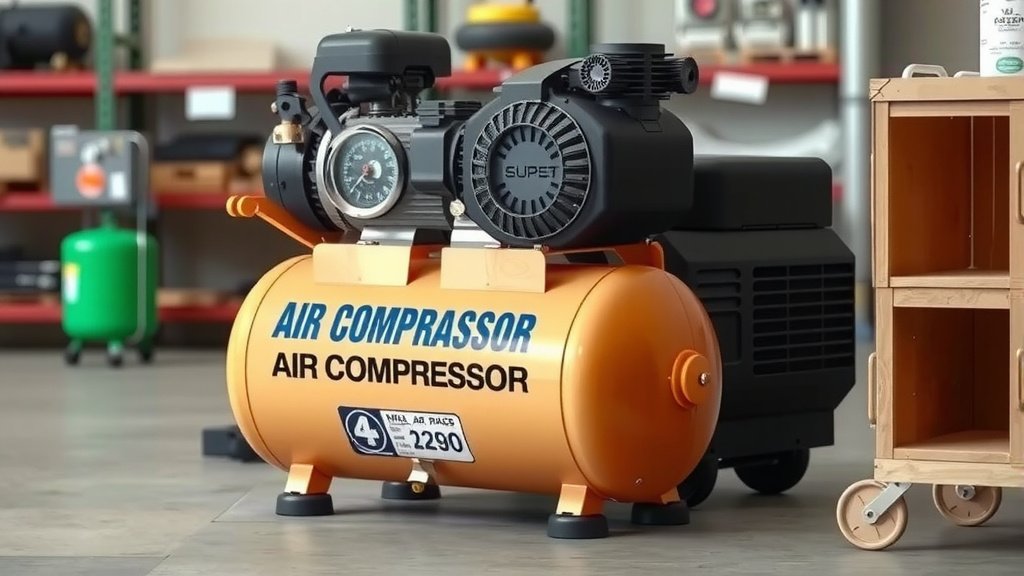
The air tank is where the compressed air is stored. Larger tanks mean you can store more air, which is great for tools that use a lot of air. These tanks are typically made of thick steel. The bigger the tank, the more steel is used, and the heavier the compressor becomes. A small 1-gallon tank adds much less weight than a 60-gallon tank. A small 1-gallon tank adds much less weight than a 60-gallon tank, impacting portability.
Motor and Pump Horsepower
The motor and pump are the heart of the compressor. More powerful motors and robust pumps require larger, heavier components. They often use more metal and stronger materials to handle the increased workload and heat. A 5-horsepower motor is naturally going to weigh more than a 1-horsepower motor. Research shows that materials like cast iron are often used for durability, adding significant weight.
Construction Materials and Durability
Cheaper, lighter compressors might use thinner metal or plastic components. However, professional and industrial-grade compressors are built to last. They use heavy-duty steel frames, thicker gauge metal for the tank, and more robust internal parts. This focus on durability and longevity adds considerable weight. It’s a sign of a well-built machine designed for tough jobs.
Weight vs. Portability vs. Power: Finding Your Balance
When you’re choosing an air compressor, its weight is a direct indicator of its capabilities and limitations. You’re always trading off something. Do you need to move it, or do you need it to run a demanding tool? We found that most people prioritize based on their specific needs.
Consider Your Projects and Tools
What will you be using the compressor for? If it’s just for topping off tires or using a brad nailer, a lightweight portable unit is probably perfect. But if you plan to use impact wrenches, sanders, or paint sprayers extensively, you’ll need a more powerful compressor with a larger tank. This usually means a heavier unit.
Think About Where You’ll Store It
Will it live in a dedicated spot in your garage? Or do you need to stow it away when not in use? Heavy compressors require a stable, permanent location. Lighter ones can be moved and stored more easily. It’s a good idea to measure your available space and consider how you’ll get it there.
The Role of Wheels and Handles
Many mid-weight compressors come equipped with wheels and carrying handles. These features can make a big difference in how easy a heavy compressor is to manage. A unit that weighs 50 pounds but has sturdy wheels can feel much lighter than a 40-pound unit that you have to carry awkwardly. Always check for these mobility aids if you anticipate needing to move it.
Checklist for Choosing Your Compressor Weight
Before you buy, ask yourself these questions:
- What is the heaviest tool I’ll run?
- How often will I move the compressor?
- Do I have a dedicated spot, or does it need to be stored?
- What is my lifting capacity if needed?
- Are wheels and handles important for my use?
- Can my chosen location support the weight?
Conclusion
You’ve learned that an air compressor’s weight tells a story about its capabilities. From the feather-light 20-pound portables perfect for quick tasks, to the massive 500-pound industrial giants built for continuous operation, the weight directly relates to tank size, motor power, and construction materials. We found that understanding this connection helps you balance your need for portability with the power required for your projects. Before you buy, consider your typical jobs, where it will live, and how you’ll move it. The right weight means the right tool for your workshop or job site.
Frequently Asked Questions
What’s the average weight of a portable air compressor?
Portable air compressors typically range from about 20 pounds for smaller pancake and hot dog models up to around 60 pounds for larger, higher-capacity units. These are designed for easy transport around your home or job site. You’ll often find them with wheels and handles to make them even more manageable.
How much do stationary air compressors usually weigh?
Stationary compressors are considerably heavier, designed to stay put. Single-stage models often fall between 100 and 200 pounds, while two-stage industrial units can weigh from 200 to 500 pounds or more. These machines offer more power and are built for consistent, demanding use.
Does the air tank size affect the compressor’s weight?
Yes, the air tank size is a major factor. Larger tanks are made of thicker steel to hold more compressed air. Therefore, a compressor with a bigger tank will naturally be much heavier than one with a smaller tank.
Are heavier air compressors always more powerful?
Generally, yes. Heavier compressors usually feature larger, more powerful motors and pumps, often made with more robust materials like cast iron for durability. This increased mass is a direct result of the higher horsepower and build quality needed for heavy-duty applications.
How can I easily move a heavier air compressor if needed?
Many mid-weight compressors come with built-in wheels and carrying handles, which significantly ease their movement. For even heavier units that lack these features, using a dolly, hand truck, or getting assistance from another person is recommended. Always ensure you have a clear path and a stable surface when moving any compressor.