Scroll vs Reciprocating Air Compressors: Which is Best

Scroll vs Reciprocating Air Compressors: Which is Best

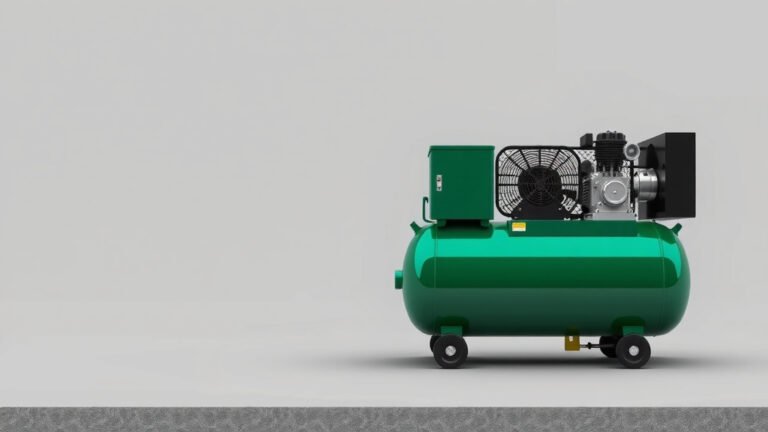
When choosing between a scroll air compressor and a reciprocating compressor, know that scroll compressors generally offer a quieter and more energy-efficient operation for continuous use applications. Reciprocating compressors are typically a good choice for intermittent use and higher pressures, often at a lower initial cost. We found that for many common industrial needs, the…
Scroll vs Screw Air Compressors: Which is Right for You

Scroll vs Screw Air Compressors: Which is Right for You

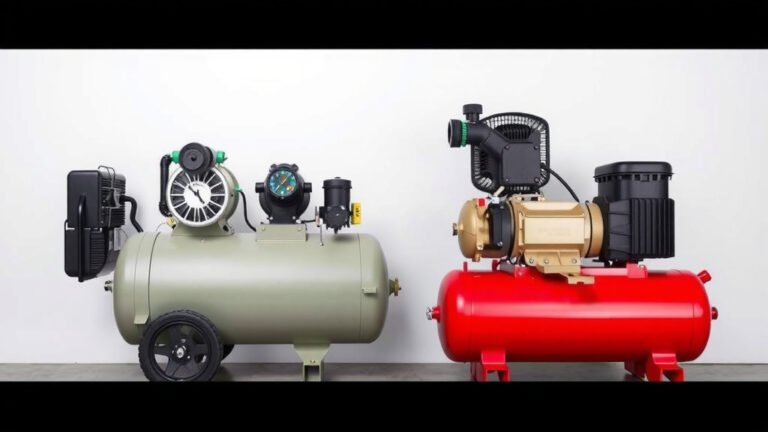
When deciding between a scroll air compressor and a screw air compressor, the main difference lies in their internal design and how they compress air. Scroll compressors are generally quieter and more energy-efficient for smaller, intermittent needs, while screw compressors excel at providing continuous, high-volume airflow for industrial settings. Choosing the right compressor depends heavily…

Master Your Air Compressor Paint Sprayer: A Beginner’s Guide

Master Your Air Compressor Paint Sprayer: A Beginner’s Guide

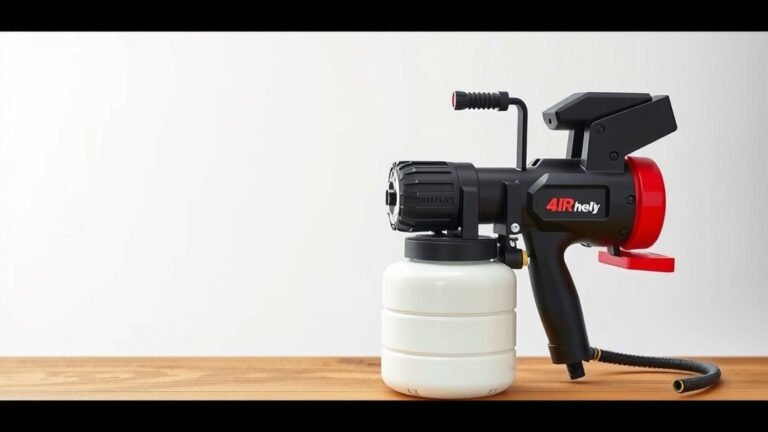
Using an air compressor paint sprayer is a fantastic way to get a smooth, professional finish on your projects. You simply connect the sprayer to your air compressor, load it with paint, and adjust the settings for the perfect spray pattern. It’s a game-changer for big jobs. Mastering this tool will save you time and…

Silent Air Compressor vs Normal: Which is Best for You

Silent Air Compressor vs Normal: Which is Best for You

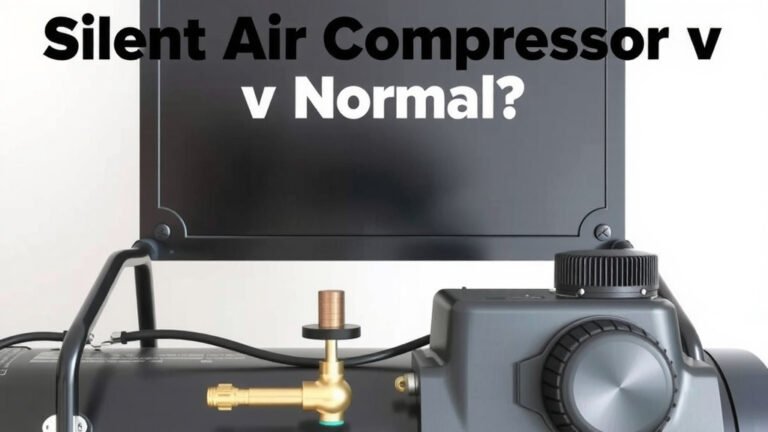
When choosing an air compressor, a silent air compressor is often the better choice for home workshops and small businesses because it’s significantly quieter and less disruptive than a traditional, normal air compressor. While both types serve the same basic function of compressing air, the key difference lies in their noise levels and operational design,…

Campbell Hausfeld 3 Gallon Air Compressor: Quick Start Guide

Campbell Hausfeld 3 Gallon Air Compressor: Quick Start Guide

Using your Campbell Hausfeld 3-gallon air compressor is straightforward. You can typically get it running in just a few simple steps. This compact compressor is great for many household tasks. It’s designed for easy setup and quick use. Before you start, it’s wise to check your owner’s manual. This ensures you’re following the manufacturer’s specific…

Single vs Twin Cylinder Air Compressor: Which Is Best

Single vs Twin Cylinder Air Compressor: Which Is Best

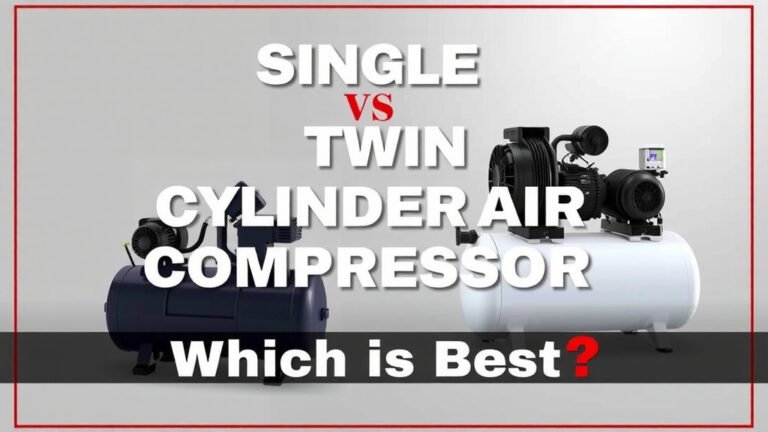
When choosing an air compressor, a single-cylinder unit is best for lighter jobs like inflating tires or powering small air tools, while a twin-cylinder model is generally better for heavier-duty tasks requiring more consistent airflow and pressure. You’ll want to match the cylinder type to your specific needs for the best performance and efficiency. Think…

Single vs Three Phase Air Compressor: Which is Right for You

Single vs Three Phase Air Compressor: Which is Right for You

When deciding between a single-phase and three-phase air compressor, the main difference comes down to power needs and efficiency. Single-phase is suitable for most home workshops and light-duty tasks, while three-phase offers more power for heavy commercial or industrial use. You’ll want to match the compressor’s phase to your available electrical supply. Understanding this distinction…

How to Use a Car Air Compressor: A Step-by-Step Guide

How to Use a Car Air Compressor: A Step-by-Step Guide

Using a car air compressor is a straightforward process to **inflate your tires** when they’re low. You’ll simply connect the compressor’s hose to your tire’s valve stem, turn on the device, and monitor the pressure gauge. It’s a handy tool that can **save you time and money** by keeping your tires properly inflated. For quick…

Single vs Two Phase Air Compressor: What’s the Difference

Single vs Two Phase Air Compressor: What’s the Difference

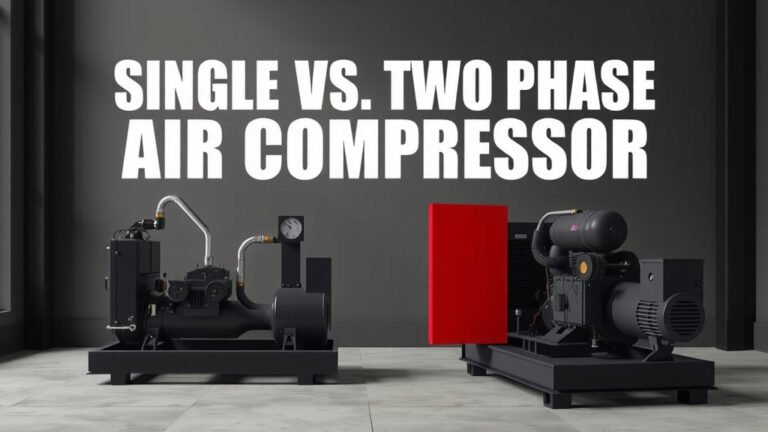
When choosing an air compressor, understanding the difference between single-phase and two-phase power is key. Single-phase power is common for residential use and smaller tools, while two-phase (often referred to as three-phase in industrial settings) is for larger, more demanding applications. You’ll want to match your compressor’s power needs to your available electrical supply to…