DeWalt vs Ridgid Air Compressor: Which is Best for You
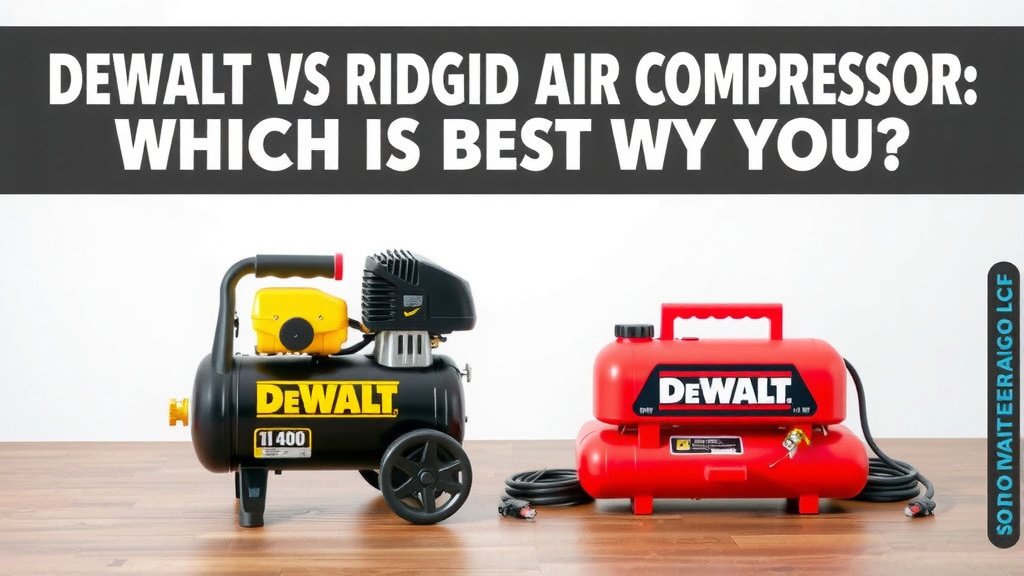
When comparing DeWalt vs. Ridgid air compressors, the choice often comes down to your specific project needs and budget. DeWalt generally offers a wider range of professional-grade options with robust build quality for demanding tasks. Ridgid often provides a solid balance of performance and affordability, making them a strong contender for DIYers and serious hobbyists.
Both brands are well-respected in the tool industry. You’ll find they offer compressors with varying tank sizes, horsepower, and CFM ratings. Understanding these specs is key to picking the right one for everything from nail guns to impact wrenches. We’ve researched what makes each brand stand out.
- DeWalt excels in pro-grade durability and power.
- Ridgid offers a great value proposition for most users.
- Consider your tool’s air demands before deciding.
- Both brands offer reliable options across different price points.
Let’s dive into the details to help you find the perfect air compressor for your workshop. We’ll break down the pros and cons of each so you can make an informed decision.
Choosing between DeWalt and Ridgid air compressors means you’re looking for a tool that won’t let you down. You’ve got projects to tackle, and you need power and reliability. Both brands have earned their stripes in the tool world. Let’s break down what makes each one tick so you can find your perfect workshop companion.
Comparing DeWalt and Ridgid Air Compressors
When you’re sizing up DeWalt versus Ridgid for your air compressor needs, think about your typical tasks. DeWalt often leans towards the professional user. They typically pack more power and are built to withstand heavy, daily use. Ridgid, on the other hand, often hits a sweet spot for DIY enthusiasts and serious hobbyists. They offer a fantastic blend of good performance and a price that doesn’t break the bank.
Power and Performance Differences
One of the biggest things you’ll notice is the horsepower and CFM (Cubic Feet per Minute) ratings. These numbers tell you how much air the compressor can deliver. A higher CFM is essential for tools that are air hogs, like impact wrenches or spray guns. DeWalt models often boast higher CFM ratings, meaning they can keep up with more demanding tools.
Ridgid compressors are no slouches, though. They offer solid CFM output for most common workshop tasks. You’ll find they perform admirably with nail guns, staplers, and even some smaller impact wrenches. It’s really about matching the compressor’s output to your tool’s needs. You wouldn’t use a tiny portable compressor for a big sandblasting job, right?
Durability and Build Quality
This is where DeWalt often shines. They are known for their robust construction. You’ll see features like durable metal tanks, heavy-duty motors, and protective cages on some models. This means they can take a beating in a busy workshop environment. Many users report that DeWalt tools just feel built to last, even under tough conditions.
Ridgid also builds a strong tool. Their compressors are generally well-made and reliable. They might not always have the same tank armor as some DeWalt professional models, but they are more than capable of handling regular use. Many users find their Ridgid compressors to be very dependable over the years. It’s a trade-off between extreme ruggedness and excellent everyday performance.
Key Features to Consider
Tank Size and Portability
Air compressor tanks come in various sizes, usually measured in gallons. A larger tank means you’ll have more reserve air. This is great if your tool uses air quickly or if you plan to use multiple tools. Smaller tanks, often found on portable models, are easier to move around. Think about where you’ll use your compressor most.
DeWalt offers a wide range, from small, easily portable pancake compressors perfect for trim work, to larger stationary units for serious production. Ridgid also provides good options, often with a focus on portability for their mid-range models. Many Ridgid compressors are designed with user convenience in mind, featuring wheels and handles for transport around your garage or job site.
Oil vs. Oil-Free Pumps
This is a critical decision for maintenance. Oil-lubricated pumps generally last longer and run cooler. However, they require regular oil checks and changes. If you forget, you could damage the pump (yikes!).
Oil-free pumps are much lower maintenance. You don’t have to worry about oil levels. They are often lighter and quieter, too. Many modern Ridgid compressors use oil-free pumps, making them a convenient choice for many. DeWalt offers both, so you can pick based on your preference for maintenance and longevity.
Noise Levels
Air compressors can be loud. Really loud. If you work in a residential area or share your workshop space, noise is a big factor. Some compressors are designed to be quieter. We found that many newer oil-free models, especially from brands like Ridgid, have made strides in reducing decibel levels. Look for models that specifically advertise quiet operation if noise is a concern for you.
Price and Value Proposition
DeWalt’s Market Position
DeWalt tools generally sit in the mid-to-high price range. You’re paying for that professional-grade build quality and often higher performance. If your livelihood depends on your tools, or if you’re tackling very demanding projects, the extra investment in a DeWalt compressor often pays off in durability and consistent power.
Ridgid’s Competitive Edge
Ridgid often provides a compelling value. You get a lot of performance and reliability for your money. Their compressors are typically priced a bit lower than comparable DeWalt models. This makes them an excellent choice for homeowners, DIYers, and even small business owners who need dependable tools without the top-tier professional price tag.
To help you visualize, consider this:
| Feature | DeWalt (General Tendency) | Ridgid (General Tendency) |
|---|---|---|
| Price Range | Mid to High | Mid |
| Target User | Professional, Heavy-Duty DIY | Serious DIY, Hobbyist, Homeowner |
| Durability | Excellent, Robust | Very Good, Reliable |
| Power/CFM | Often Higher | Good for most tasks |
| Maintenance (Pump) | Both Oil & Oil-Free | Often Oil-Free focus |
Making Your Final Choice: A Quick Checklist
To sum it up, picking the right compressor is all about your personal needs. Before you click “buy,” run through this quick checklist:
- What air tools will you use most often?
- Do you need extreme portability or a stationary unit?
- How important is low noise in your workspace?
- What’s your budget for this purchase?
- How much maintenance are you willing to do?
- Do you prioritize long-term ruggedness or great everyday value?
Conclusion
So, you’re standing at the crossroads of DeWalt vs. Ridgid air compressors. We’ve looked at how DeWalt often leads in professional power and rugged build quality, perfect for those who push their tools to the limit. Ridgid, on the other hand, really shines with its excellent balance of performance, reliability, and value, making it a fantastic choice for most home workshops and DIY projects. Your final decision hinges on your specific tasks, budget, and how you plan to use your compressor day in and day out. Now that you’ve got the details, head over to your favorite tool retailer or online store and grab the compressor that best fits your workshop’s needs!
Frequently Asked Questions
Which brand is better for heavy-duty, daily use?
For professionals who need a compressor that can handle constant, demanding use, DeWalt often has the edge. Their tools are typically built with more robust materials and higher CFM ratings to keep up with strenuous work. You’re investing in long-term durability for professional applications.
Is a Ridgid air compressor good enough for a serious DIYer?
Absolutely. Ridgid compressors offer a fantastic blend of performance and affordability that many serious DIYers and hobbyists find perfect. They provide ample power for most common workshop tools and are known for their reliability without the premium price tag.
When should I choose an oil-free pump over an oil-lubricated one?
An oil-free pump is generally a lower-maintenance choice. You won’t have to worry about checking or changing oil, which is ideal if you prefer less upkeep. Many modern Ridgid models feature oil-free pumps, making them a convenient and dependable option for regular use.
How do noise levels compare between DeWalt and Ridgid?
Noise is a factor with all air compressors, but some brands focus more on quieter operation. Many newer Ridgid oil-free models have made improvements in reducing decibel levels. If a quieter workspace is important to you, look for models from either brand that specifically advertise quiet technology.
Which brand offers a better warranty?
Both DeWalt and Ridgid generally offer good warranties on their tools, but terms can vary by specific model and region. It’s always wise to check the manufacturer’s warranty details for the particular compressor you’re considering. This ensures you have protection for your investment.