Dual vs Single Tank Air Compressor: Which Is Best
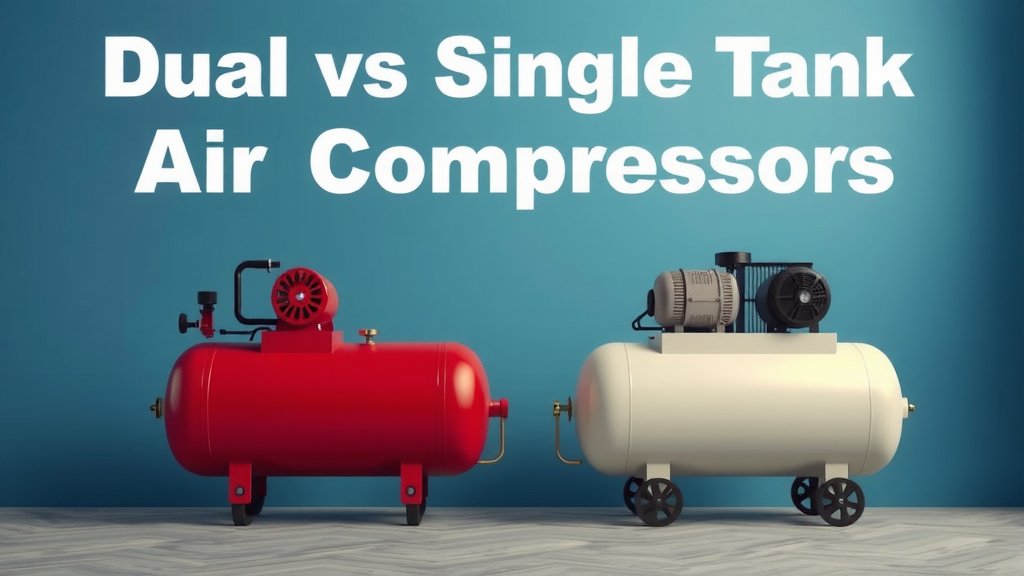
When choosing between a dual tank air compressor vs single tank Our guide to 1 gallon vs 2 gallon air compressors can help clarify tank size differences., the dual tank often wins for applications needing a steady supply of air. A dual tank setup provides more reserve air, meaning less frequent cycling and a more consistent pressure for your tools. This makes them ideal for jobs where airflow interruptions are a problem.
Think of it like this: a single tank is like a small gas can for your tools. A dual tank is more like a larger fuel tank. We found that while single tanks are great for simple tasks, the dual tank’s advantage shines when you’re running tools that demand a lot of air. This often translates to better performance and less downtime.
- Dual tanks offer a larger air reserve.
- This leads to more consistent air pressure.
- Less frequent compressor cycling.
- Better for tools with high air demands.
- Single tanks are simpler and often cheaper.
Let’s dive into the specifics of each type to help you make the best choice for your workshop or job site.
Comparing Air Compressor Tank Designs: Single vs. Dual
When you’re looking at air compressors, the tank is a big deal. It’s where the compressed air waits for your tools. You’ll see two main types: single tank and dual tank models. Each has its own strengths and weaknesses.
Let’s figure out which one is the better fit for what you need to do. Think about your projects. Do you use tools that need a constant blast of air, or just short bursts? This question will guide you.
The Advantages of a Single Tank Air Compressor
A single tank compressor is your go-to for simpler tasks. It’s usually more compact. This makes it easier to move around your garage or take to a job site. Many people start with a single tank because they are generally more affordable.
Simplicity and Portability
These units have a straightforward design. There’s just one tank holding the air. This means fewer parts to worry about. If you need something that’s easy to carry and set up, a single tank is often the answer. They are perfect for DIYers or light professional use. Think tasks like inflating tires, powering a nail gun for short periods, or blowing dust off surfaces.
Cost-Effectiveness for Light Use
We found that for homeowners or hobbyists, the initial cost of a single tank compressor is a big plus. You get a good amount of functionality without breaking the bank. Many experts say that if your air needs are modest, a single tank will serve you well for years. It’s a sensible choice when budget is a key concern.
Understanding the Dual Tank Air Compressor System
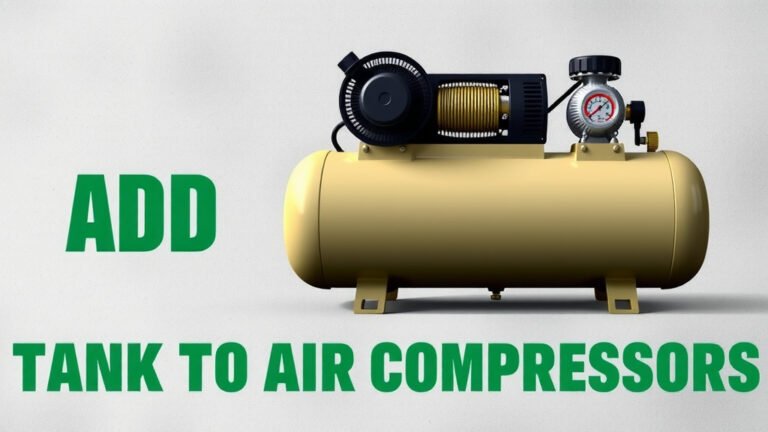
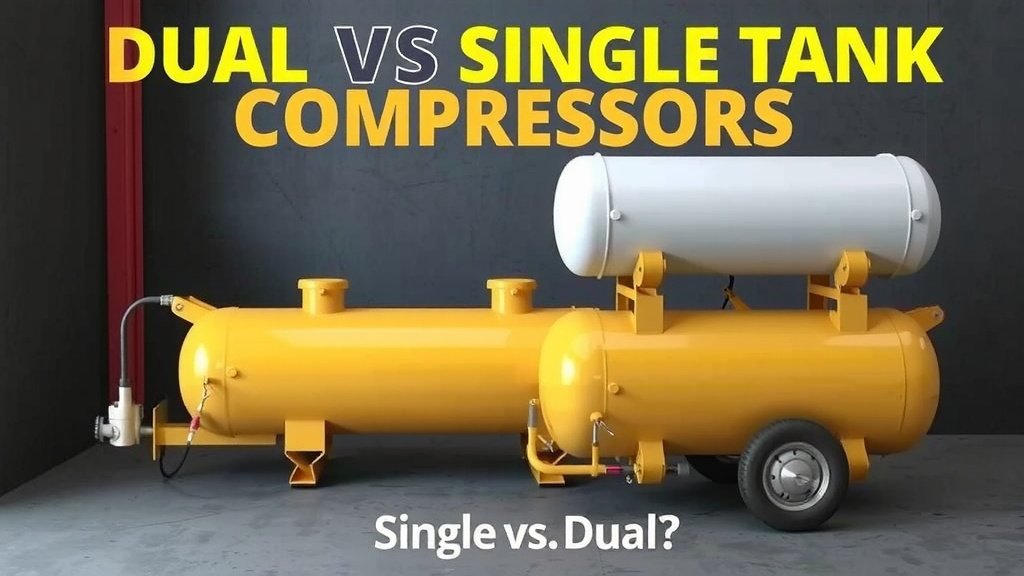
Now, let’s talk about the dual tank setup. This design is all about having a larger, more consistent air supply. How does it work? It typically uses two tanks connected together. This arrangement allows for a greater reserve of compressed air.
How Dual Tanks Provide More Air
Imagine your air needs like a flowing river. A single tank is like a small pond; it can hold water but will drain faster. A dual tank system is more like a larger reservoir. It holds more air, so the flow to your tools is steadier. This means the compressor motor doesn’t have to work as hard, as often.
We’ve seen that this design greatly reduces compressor cycling. That’s the on-and-off of the motor. Less cycling means less wear and tear on the motor. It also means you’re less likely to run out of air mid-job.
Benefits for Demanding Applications
This is where dual tanks really shine. If you use tools like sanders, impact wrenches, or spray guns, they can guzzle air. A single tank might struggle to keep up. It would cycle constantly, and the air pressure could drop. This can lead to poor tool performance and longer project times.
With a dual tank system, you get a more consistent air pressure. This is vital for tools that require a steady stream of air to operate effectively. Many professionals rely on this stability. They find it makes their work faster and produces better results. For example, painting with a spray gun requires a very stable air supply to avoid drips or uneven coats.
Key Differences: A Side-by-Side Look
To make things clearer, let’s compare them directly. Consider what you’ll be doing with the compressor. This will help you decide which tank configuration is best for you. We’ve put together a comparison to highlight the main points.
| Feature | Single Tank Compressor | Dual Tank Compressor |
|---|---|---|
| Air Reserve | Smaller | Larger |
| Airflow Consistency | Can fluctuate | More consistent |
| Motor Cycling | More frequent | Less frequent |
| Portability | Generally higher | Generally lower |
| Ideal Use Cases | Light DIY, inflation, brad nailers | Heavy-duty tools, continuous use, painting |
| Cost | Often lower | Often higher |
Size and Footprint Considerations
Dual tank models are generally larger. They take up more space in your workshop. You’ll need to consider where you’ll store it. Their larger size means they can also be heavier and harder to move. Think about this if you plan to transport it often.
Noise Levels and Power Draw
Because the motor on a dual tank cycles less frequently, it can sometimes be quieter overall. However, the motors themselves might be more powerful to fill those larger tanks. Always check the specs for decibel ratings if noise is a concern. Some larger compressors may also require more electrical power.
When to Choose a Single Tank
A single tank compressor is a smart choice for certain situations. If you’re just starting out, a single tank is a great entry point. It won’t overwhelm you with complexity or cost. We found that many home garages benefit from the simplicity of a single tank.
- You primarily use air tools for short bursts.
- You need a compressor for basic tasks like tire inflation.
- Your budget is a primary consideration.
- Space is limited in your workspace.
- Portability is a key requirement.
When to Opt for a Dual Tank
If your work involves tools that demand a steady, high volume of air, then a dual tank system is likely your best bet. Professionals often choose dual tanks for reliability. When your livelihood depends on your tools working, consistency matters.
- You use tools like grinders, sanders, or impact wrenches frequently.
- You need a stable air supply for painting or sandblasting.
- Minimizing downtime is critical for your projects.
- You want to reduce wear and tear on the compressor motor.
- You have the space and budget for a larger unit.
Making Your Final Decision
Think about your projects, your tools, and your budget. These factors will help you decide. A single tank is simpler and cheaper for light use. A dual tank offers more power and consistency for demanding tasks.
Many users report that investing in a dual tank early saved them frustration down the line. It’s like buying the right size tool for the job. A compressor that can’t keep up will slow you down. It can even damage your tools or your work.
Your Project Needs Checklist
Ask yourself these questions before you buy:
- What air tools will you be using most often?
- How long do you typically run these tools continuously?
- What is the required PSI and CFM for your tools?
- How important is portability for your situation?
- What is your overall budget for the compressor?
- How much space do you have available?
Conclusion
Choosing between a single and dual tank air compressor boils down to your specific needs. For light DIY tasks, occasional use, or a tight budget, a single tank compressor is often the most sensible choice. Its simplicity and portability make it a great starter unit. However, if you’re running demanding tools that require a steady, high volume of air, or if minimizing downtime is essential for your workflow, then a dual tank compressor is a worthwhile investment. It provides the consistent pressure and larger reserve you’ll need. Before you buy, honestly assess your project requirements and tool demands to make the choice that will best serve you long-term.
Frequently Asked Questions
Will a single tank compressor have enough air for my impact wrench?
It depends on the impact wrench and how long you use it. Short bursts for changing a tire might be fine. Continuous use for heavy-duty tasks will likely cause the pressure to drop. We found that demanding tools often outpace a single tank’s reserve.
Are dual tank compressors much heavier and harder to move?
Yes, dual tank models are generally larger and heavier than single tank units. This means they can be less portable. If you plan to move your compressor frequently to different job sites, you’ll need to consider this added weight and size.
How often does a dual tank compressor cycle compared to a single tank?
A dual tank system is designed to cycle much less frequently. Because it holds a larger reserve of air, the motor doesn’t need to turn on as often to maintain pressure. This leads to less wear and tear on the motor.
Can I use a dual tank compressor for simple tasks like inflating tires?
Absolutely. While a dual tank compressor offers more capacity, it can certainly handle simpler tasks like inflating tires with ease. You might just find it’s overkill for those basic jobs, but it will perform them reliably.
Is a dual tank compressor significantly more expensive than a single tank?
Generally, yes. Dual tank compressors typically have a higher upfront cost. This is due to their larger tank capacity and often more powerful motors needed to fill those tanks. However, many users find the long-term benefits in performance and reliability justify the added expense for their specific needs.