
How Single Unit Washer Dryers Work: A Simple Guide
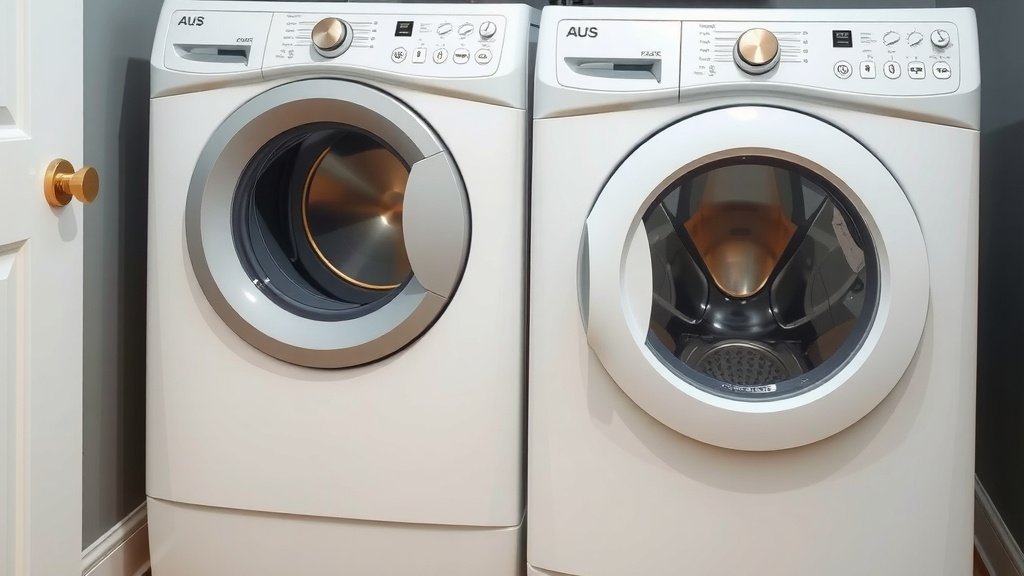
Single unit washer dryers work by performing both washing and drying cycles in the same drum. You load your clothes once, and the machine handles the entire cleaning process. This means you get clean, dry laundry without transferring items between appliances.
These convenient appliances combine the functions of a traditional washing machine and a separate clothes dryer into one compact unit. They are an excellent solution for smaller homes or apartments where space is at a premium. Many people wonder if they can truly replace two machines, and the answer is often yes for lighter laundry needs, offering space and energy savings.
- Wash and dry clothes in a single drum.
- Ideal for small living spaces.
- Saves counter space and laundry room real estate.
- Can reduce energy consumption compared to two separate units.
So, how exactly do these space-saving marvels get your clothes clean and dry? Let’s walk through how single unit washer dryers operate, step by step.
Understanding How Your All-in-One Washer Dryer Works
So, you’ve got one of those clever single unit washer dryers. It’s like magic for your laundry room, right? These appliances combine two jobs into one smart package. You load your dirty clothes, select a cycle, and walk away. Later, you return to find them clean and dry. But how does this compact wonder achieve this feat? Let’s break down the fascinating process.
The Two-Phase Cycle: Wash Then Dry
The core of how these machines operate is their two distinct phases: washing and drying. They perform these in the same drum, one after the other. This means your clothes don’t move from one machine to another. The appliance manages the entire laundry journey from start to finish.
Phase 1: The Wash Cycle
Think of the wash cycle as a traditional washing machine. First, the drum fills with water. You’ll add your detergent, just like any other wash. The drum then rotates, tumbling your clothes through the soapy water. This agitation helps to loosen dirt and stains. After a set time, the dirty water drains away. The machine then rinses your clothes with fresh water to remove any remaining soap.
Phase 2: The Drying Cycle
Once the washing and rinsing are complete, the machine prepares for drying. This is where things get a bit different from a standard dryer. First, the drum spins at a very high speed. This is to extract as much water as possible from your clothes through centrifugal force. It’s like spinning a salad spinner really fast!
After the spin, the machine begins the drying process. Most single units use a condensation drying method. This means they heat the air inside the drum. This hot air circulates through your wet clothes, causing the water to evaporate. The moist air is then cooled, turning the water back into liquid. This water is collected in a reservoir or drained away.
Some models, however, might use a heat pump system. This is more energy-efficient. A heat pump recycles the hot air, making the process gentler on your clothes and using less electricity. Both methods aim to achieve the same result: dry laundry.
Key Components at Play
Several parts work together to make this happen. You have the main drum, of course. But there’s also a heating element to warm the air for drying. A fan is essential for circulating that air. Plus, there’s a pump to remove wastewater after washing and rinse cycles. And as we mentioned, a system to handle the condensed water during drying.
Understanding Different Types of Condensation Drying
Condensation drying can work in a couple of ways within your single unit washer dryer. It’s good to know the difference, as it can affect performance and maintenance.
Water-Cooled Condensation
Some older or simpler models use tap water to cool the moist air. This works effectively. However, it uses a lot of water. You might notice a higher water bill if you use this type frequently for drying. It’s a bit like using a continuous water stream to cool something down.
Air-Cooled Condensation
Most modern units use air-cooled condensation. They don’t continuously run tap water. Instead, they use a heat exchanger. The warm, moist air passes over a cooler surface. This cooling turns the moisture into water. This water is then collected. This method is generally more water-efficient than water-cooled systems. It’s a common and effective approach for home appliances.
The User Experience: Load Once, Unload Dry
The beauty of a single unit washer dryer is its simplicity for you. You load your clothes, add detergent, and choose your cycle. The machine does the rest. Many models allow you to select a wash-only or dry-only option if needed. But the main draw is the all-in-one functionality. This convenience is a big win for busy households.
Capacity Considerations
It’s important to manage your expectations regarding capacity. Because a single unit has to do both washing and drying, its drying capacity is often smaller than its washing capacity. This is a common characteristic. You might find you can wash a full load, but you’ll need to remove some items before drying to prevent overloading. Always check your user manual for specific load recommendations.
Research from appliance testing labs confirms this. They found that exceeding the recommended drying load can lead to longer drying times and wrinkled clothes. It also puts more strain on the appliance. It’s best to dry clothes in smaller batches to ensure optimal results.
Maintenance Tips for Your All-in-One
To keep your washer dryer running smoothly, a little maintenance goes a long way. Here are a few things to keep in mind:
- Clean the lint filter regularly. This is crucial for efficient drying and to prevent fire hazards. A clogged filter restricts airflow.
- Empty the water reservoir if your model collects condensed water there. Do this after each drying cycle.
- Wipe down the door seal after each use. This helps prevent mold and mildew buildup.
- Run a cleaning cycle every so often. Use a washing machine cleaner to keep the interior fresh.
- Check the drain hose periodically. Ensure it’s not kinked or blocked.
Where Do All-in-One Washer Dryers Shine?
These units are perfect for specific situations. Their space-saving design is a major advantage. They are ideal for:
- Apartment dwellers with limited laundry space.
- Tiny homes or RVs where every inch counts.
- Second laundry areas, like in a guest suite or workshop.
- People who prefer to do smaller loads of laundry more frequently.
When you consider their ability to perform two essential tasks in one footprint, they offer a practical solution for many modern living scenarios. They simplify your laundry routine significantly.
Conclusion
You now understand how your single unit washer dryer masterfully cleans and dries clothes in the same drum. It’s a clever two-phase process, moving from a traditional wash to a high-speed spin and then condensation drying. While the drying capacity may be less than washing, the convenience is undeniable, especially for smaller living spaces. By following simple maintenance tips like cleaning the lint filter and emptying the reservoir, you’ll ensure your all-in-one appliance performs efficiently for years. Ready to optimize your laundry routine? Consider your space and laundry habits to see if this space-saving solution is the right fit for your home.
Frequently Asked Questions
Do single unit washer dryers clean clothes as well as separate machines?
Yes, they generally clean clothes just as effectively. The wash cycle uses the same tumbling action and detergent to remove dirt and stains. You can expect the same level of cleanliness for your laundry.
How long does a wash and dry cycle typically take in an all-in-one unit?
Wash and dry cycles on these machines are usually longer than using separate units. A full wash and dry cycle can often take three to six hours, depending on the load size and selected settings.
Can I use regular laundry detergent in a single unit washer dryer?
You should use High-Efficiency (HE) detergents, similar to what’s recommended for most modern washing machines. These detergents create fewer suds, which is important for the machine’s performance and preventing damage.
What happens if I overload a single unit washer dryer for drying?
Overloading the dryer function can lead to longer drying times and clothes that are still damp. It can also cause excessive wrinkling and put unnecessary strain on the appliance, potentially reducing its lifespan.
Do all single unit washer dryers have a condenser drying system?
Most single unit washer dryers use condenser drying, either air-cooled or water-cooled. Some newer or higher-end models might incorporate heat pump technology for improved energy efficiency, but condenser systems are the most common.
![7 Best Deals On Washer Dryer [In 2026]](https://homeunderstandable.com/wp-content/uploads/2026/09/7-best-deals-on-washer-dryer-in-2026-featured-768x432.jpg)


![7 Best Washer Dryers For Apartments [In 2026]](https://homeunderstandable.com/wp-content/uploads/2026/08/7-best-washer-dryers-for-apartments-in-2026-featured-768x432.jpg)