
How Often to Change Your Air Purifier Filter
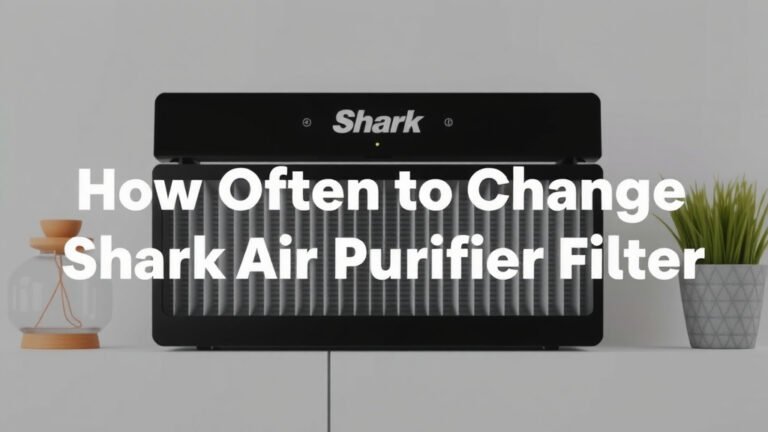
You should change your air purifier filter every 6 to 12 months, depending on usage and the type of filter. This simple maintenance keeps your air clean and your purifier working its best. Ignoring it can mean clogged filters that struggle to capture pollutants.
How often you *really* need to swap it out depends on a few factors. Things like your home’s air quality, whether you have pets, and how often you run the purifier all play a role. We found that consistently changing your filter helps prevent mold growth and ensures your unit doesn’t overwork itself.
- Most filters last 6-12 months.
- Pets or poor air quality mean more frequent changes.
- A dirty filter can lead to mold.
- It helps your purifier run efficiently.
- Check your manual for specific recommendations.
Let’s walk through exactly how to figure out the best schedule for your specific air purifier and home environment.
You’ve got your air purifier humming along, doing its job to make your home’s air cleaner. That’s fantastic! But like any hardworking appliance, it needs a little bit of regular care to keep performing at its best. The biggest piece of this puzzle is your air filter. Thinking about how often to swap out that air purifier filter is key to truly benefiting from your device.
Understanding Your Air Purifier Filter’s Lifespan
Think of your air purifier filter like a sponge. It’s soaking up all the dust, pollen, pet dander, and other tiny particles floating around in your home. Eventually, that sponge gets full and can’t hold any more. When your filter reaches this point, it’s time for a change.
For most standard HEPA filters, you’re generally looking at replacing them every 6 to 12 months. This is a good ballpark figure to start with. Many manufacturers recommend this range in their user manuals. However, this is just a starting point. Your personal home environment and how you use the purifier can shorten this timeframe.
What Affects How Often You Change Your Filter?
Several factors can impact how quickly your air purifier filter becomes saturated and needs replacing. Understanding these can help you fine-tune your filter change schedule. It’s not a one-size-fits-all situation!
Your Home’s Air Quality
If you live in an area with generally poor air quality, like a city with high pollution or near busy roads, your filter will likely get clogged faster. You might find yourself needing to change it closer to the 6-month mark. Similarly, if you live in a region prone to high pollen counts during certain seasons, you might see more frequent filter needs.
Pets in the Household
Do you have furry friends running around? Pets are wonderful, but they also contribute a lot of dander and hair to the air. This means your air purifier is working overtime to capture these particles. If you have one or more pets, you’ll probably need to replace your filter more often than the standard recommendation. Many pet owners find themselves changing filters every 4 to 6 months.
Allergies and Respiratory Sensitivities
For individuals with allergies, asthma, or other respiratory sensitivities, maintaining a clean filter is even more critical. You might choose to check your filter more frequently. You may also opt for more frequent changes to ensure the highest level of air purification. This helps reduce airborne allergens that can trigger symptoms.
Usage Frequency of Your Air Purifier
How often do you run your air purifier? If it’s on 24/7, it’s constantly filtering air. This continuous operation will naturally lead to faster filter saturation. If you only run it during specific times, like when you’re home or during allergy season, the filter might last longer. Constant use means a shorter filter life.
Type of Filter You Have
Not all air purifier filters are created equal. While many units use a combination of pre-filters, HEPA filters, and activated carbon filters, the materials and density can vary. Some high-capacity filters are designed to last longer. Others, like very dense HEPA filters, might need more frequent replacement. Always check your model’s specifications.
Signs Your Air Purifier Filter Needs Changing
Your air purifier might give you some visual or audible cues that it’s time for a filter swap. Paying attention to these signals can prevent you from waiting too long. It’s like listening to your car when it tells you it’s time for an oil change!
Reduced Airflow
One of the most common signs is a noticeable drop in the amount of air coming from your purifier. If it sounds like it’s running on high, but you’re not feeling much air movement, the filter is likely clogged. Clogged filters restrict airflow. This makes the fan work harder and less efficiently.
Unpleasant Odors
Activated carbon filters are excellent at absorbing odors. However, once they are saturated, they can stop working effectively. You might start noticing lingering smells, or even a musty odor, which could indicate the carbon filter is full. This is a clear sign that it’s time for a change (Cleveland Clinic).
Visible Dirt or Discoloration
Take a peek at your filter (if your unit allows easy access). If it looks visibly dirty, gray, or even black, it’s definitely time for a replacement. A filter that’s caked with dust and debris can no longer trap new particles effectively. Don’t wait for it to turn completely dark!
Indicator Lights or App Alerts
Many modern air purifiers come with built-in filter life indicators. These might be lights on the unit that change color or an alert through a companion smartphone app. These are designed to take the guesswork out of filter changes. Trust these alerts; they are usually based on runtime and filter performance.
The Importance of Regular Filter Changes
Skipping filter changes might seem like a way to save money, but it can actually lead to more problems down the line. Keeping your filter clean ensures your air purifier operates optimally and continues to deliver the clean air you expect.
Preventing Mold and Bacteria Growth
A dirty, saturated filter can become a breeding ground for mold and bacteria. Trapped moisture and organic particles create an ideal environment for these microorganisms to grow (CDC). When this happens, your air purifier could actually be recirculating mold spores back into your home, which is the opposite of what you want!
Maintaining Energy Efficiency
When a filter is clogged, the fan motor has to work much harder to pull air through it. This increased strain leads to higher energy consumption. Regularly replacing your filter ensures your purifier runs at its designed efficiency, saving you money on your electricity bill over time.
Ensuring Optimal Air Purification
The primary job of your air purifier is to remove pollutants. A clean, fresh filter is essential for this. A dirty filter simply cannot capture new particles as effectively. For those with allergies or respiratory conditions, this means you might not be getting the full benefit of the device.
Creating Your Air Purifier Filter Schedule
Now that you know the factors, let’s put together a plan. It’s not about perfection, but about consistency and observation.
Here’s a simple checklist to help you:
- Read your air purifier’s manual for manufacturer recommendations.
- Note how often you run your purifier.
- Consider if you have pets or significant allergy triggers.
- Check the filter visually every 2-3 months.
- Respond to any indicator lights or app alerts promptly.
- Set a reminder on your phone or calendar.
By keeping these points in mind and observing your specific unit, you can establish a filter replacement routine that works best for your home. Your lungs will thank you!
Conclusion
You’ve learned that changing your air purifier filter isn’t a set-it-and-forget-it task. It’s a key part of maintaining the clean air you want in your home. We found that factors like pets, air quality, and usage heavily influence how often you’ll need to swap it out, often meaning more frequent changes than the standard 6-12 months. Watching for signs like reduced airflow or odors is also essential. Prioritizing these filter changes helps prevent mold, saves energy, and ensures your purifier truly works its best. Your next step? Check your air purifier’s manual and set a visual inspection reminder for yourself in 2-3 months.
Frequently Asked Questions
Can I just rinse my air purifier filter instead of buying a new one?
Generally, no. Most HEPA and activated carbon filters are designed for single use and cannot be effectively cleaned by rinsing. Washing them can damage the filter media, making it less effective or even unusable. Always check your manufacturer’s guide for specific cleaning instructions, though replacement is usually recommended.
My air purifier has a washable pre-filter. How often should I clean that?
Washable pre-filters are designed to catch larger particles like hair and dust. We recommend cleaning these every 2-4 weeks, depending on your home environment. This protects the main HEPA filter from getting clogged too quickly. A quick vacuum or rinse is usually all it takes.
How do I know if my air purifier filter is truly dirty, not just dusty?
A filter that’s just dusty might still be functioning reasonably well. However, a truly dirty filter will show signs of deep discoloration (gray or black), feel heavy, and significantly restrict airflow. If you notice unpleasant odors or your unit seems to be struggling, it’s likely beyond simple dusting.
Will using a generic filter void my air purifier’s warranty?
It’s possible. Many manufacturers specify using their branded filters to ensure optimal performance and maintain warranty coverage. We found that using a generic or incompatible filter could indeed void your warranty if it causes damage or reduces the unit’s effectiveness. Always consult your manual for warranty details.
Is it okay to wait longer than 12 months if my filter looks okay?
While visual inspection is helpful, waiting much longer than 12 months isn’t advisable, even if the filter appears clean. Over time, filters can lose their electrostatic charge, which is essential for trapping tiny particles. They can also become saturated with microscopic pollutants you can’t see. Sticking to a regular replacement schedule, or replacing it sooner based on usage, is best for air quality.
![5 Best Air Purifier for Basement Smells [In 2026]](https://homeunderstandable.com/wp-content/uploads/2025/06/best-air-purifier-for-basement-smells.jpg)