Car Air Compressor Cost: What to Expect This Year
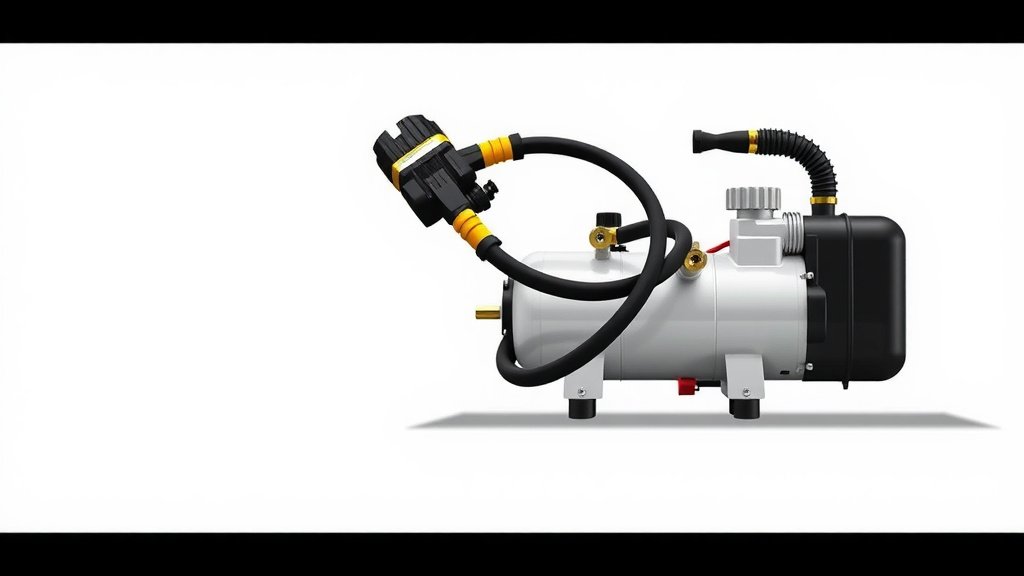
The cost for a car air compressor can range from $20 to $150. You’ll find basic models for tire inflation are much cheaper. More advanced compressors with extra features will cost more. It really depends on what you need it to do.
When looking at car air compressors, consider their power source and duty cycle. Some plug into your car’s 12V outlet. Others are battery-powered for more freedom. Think about the tire pressure you need to reach too.
- Basic tire inflators are usually under $30.
- Mid-range models offer faster inflation and more features.
- High-end compressors can cost over $100 for heavy-duty use.
- Consider portability and power needs.
Let’s break down the different types of car air compressors and what might be the best fit for your needs.
Understanding Car Air Compressor Costs
So, you’re wondering about the price tag on a car air compressor? It’s a fair question! The cost really varies based on what you need. Think of it like buying a tool. A simple hammer is cheap, but a fancy power drill costs more. Car air compressors are similar. You can find basic ones for less than $30. Then you have fancier models that might push past $100. We’re going to break down the factors that influence that price. Our guide to 1 gallon vs 2 gallon air compressors can help you decide.
Types of Car Air Compressors and Their Price Points
Basic Tire Inflators: The Budget-Friendly Option
These are your go-to for simple tire pressure top-ups. They are typically the most affordable. You’ll often find these for under $30. They usually plug into your car’s 12V accessory outlet. Think of them as the roadside emergency essentials. They get the job done when you have a slow leak or need to adjust pressure before a long trip. You won’t get lightning-fast inflation, but they are reliable for their price.
Mid-Range Compressors: Added Speed and Features
Stepping up a bit, you’ll find mid-range compressors. These generally cost between $40 and $70. They offer a step up in inflation speed. Many also include extra features. You might get a longer power cord. Some come with a built-in pressure gauge that’s more precise. You’ll often find them with a selection of nozzle adapters too. These are great for someone who checks their tire pressure regularly or needs a bit more power.
Heavy-Duty and Advanced Compressors: For Serious Users
If you’re looking for serious performance, these are your best bet. These compressors can range from $70 to $150 or more. They are built for durability and speed. You’ll find they can inflate tires much faster than cheaper models. Many have a more robust construction. Some even have dual-cylinder designs for maximum airflow. These are ideal for larger vehicles, off-roading enthusiasts, or anyone who needs to inflate tires frequently. They often come with impressive duty cycles, meaning they can run for longer periods without overheating. Learn about 1 cylinder vs 2 cylinder air compressors to understand power differences.
Key Features That Affect the Price
Power Source: 12V vs. Battery-Powered
Your compressor’s power source plays a role. Most budget-friendly models rely on your car’s 12V outlet. This is convenient but ties you to your vehicle. Battery-powered options offer more freedom. You can use them anywhere without needing your car running. However, these tend to be more expensive, often falling into the mid-range to high-end price brackets. The battery capacity also impacts the cost. A larger battery means longer use but a higher price tag.
Inflation Speed (CFM/PSI): How Fast It Works
Inflation speed is measured in Cubic Feet per Minute (CFM) and Pounds per Square Inch (PSI). Higher CFM means faster inflation. Compressors with higher PSI ratings can handle tougher jobs, like inflating truck tires. For basic car tire top-ups, you don’t need extreme speed. But if you’re inflating a completely flat tire or need to service larger vehicles, a faster compressor is worth the extra cost. We found that models boasting higher CFM often come with a higher price point.
Duty Cycle: How Long It Can Run
The duty cycle tells you how long a compressor can run continuously before needing a break. A common rating is 30 minutes on, 30 minutes off. More expensive, heavy-duty compressors often have a 100% duty cycle. This means they can run continuously. If you plan on using your compressor for multiple tires or extended periods, a higher duty cycle is a valuable feature. It means less waiting time between uses.
Build Quality and Durability
You can often tell the difference in quality by looking at the materials. Metal components tend to be more durable than plastic. A solid metal casing and a sturdy hose suggest a longer lifespan. These well-built compressors usually come with a higher price tag. Think of it as an investment. A cheaply made unit might break after a few uses, costing you more in the long run. Many experts recommend looking for compressors with a metal cylinder and piston for better durability.
Extra Features and Accessories
Some compressors come packed with extras. These can include built-in LED lights for nighttime use. You might find digital pressure gauges with auto-shutoff functions. Many include a variety of nozzle adapters for different items, like balls, air mattresses, or bicycles. These added conveniences contribute to the overall cost. For example, a digital gauge with an auto-shutoff can prevent over-inflation and save you trouble.
Understanding the Price Range: What to Expect
Let’s look at a quick summary of what you might expect to pay based on features:
| Compressor Type | Typical Price Range | Key Features |
|---|---|---|
| Basic Tire Inflator | $20 – $40 | 12V plug, basic gauge, slow inflation |
| Mid-Range Compressor | $40 – $70 | Faster inflation, better gauge, longer cord, extra nozzles |
| Heavy-Duty/Advanced | $70 – $150+ | High CFM/PSI, durable build, 100% duty cycle, digital gauge, portability |
Making Your Choice: What to Consider
When you’re ready to buy, think about your specific needs. How often will you use it? What types of tires will you be inflating? Do you need extreme portability? Consider these points:
- Your vehicle type: Larger vehicles need more powerful compressors.
- Inflation frequency: Daily use warrants a more durable model.
- Portability needs: Do you need to carry it around often?
- Budget: How much are you comfortable spending?
- Desired speed: How quickly do you need tires inflated?
- Extra features: Are lights or digital gauges important to you?
Conclusion
You’ve learned that the price of a car air compressor widely varies, from about $20 to $150. Your needs are the main driver of cost. A basic tire inflator is a budget-friendly choice for simple top-ups. If you need faster inflation, better gauges, or more durability, you’ll look at mid-range or heavy-duty models. Consider the power source, duty cycle, and build quality when making your decision. Think about how often and for what purpose you’ll use your compressor. This will help you find the best fit for your budget and needs.
Your next step is to assess your personal requirements. Visit an online retailer or your local auto parts store. Compare a few models that match your identified needs and budget. You’ll find a reliable compressor that keeps your tires properly inflated.
Frequently Asked Questions
What’s the cheapest type of car air compressor I can buy?
The most affordable car air compressors are basic tire inflators. You can often find these for under $30. They typically plug into your car’s 12V outlet and are best for simple tire pressure adjustments.
Are battery-powered air compressors more expensive than 12V models?
Yes, generally they are. Battery-powered compressors offer more portability and convenience, which adds to their cost. You’ll usually find them in the mid-range to high-end price brackets, whereas 12V models are more common in the budget category.
How does the duty cycle affect the price of an air compressor?
Compressors with higher duty cycles, meaning they can run for longer periods without overheating, tend to be more expensive. Heavy-duty models with a 100% duty cycle are built for continuous use and cost more than those with shorter run times.
Is a digital pressure gauge worth the extra cost?
For many users, a digital pressure gauge is a worthwhile upgrade. They offer greater accuracy and often come with helpful features like auto-shutoff to prevent over-inflation. While they increase the price, they add convenience and peace of mind.
What should I look for in a heavy-duty air compressor for frequent use?
For frequent use, look for a heavy-duty compressor with a high CFM and PSI rating for fast inflation. Prioritize durable build quality, such as metal components, and a high duty cycle. Battery-powered options can also be excellent if you need portability for off-road or remote use.