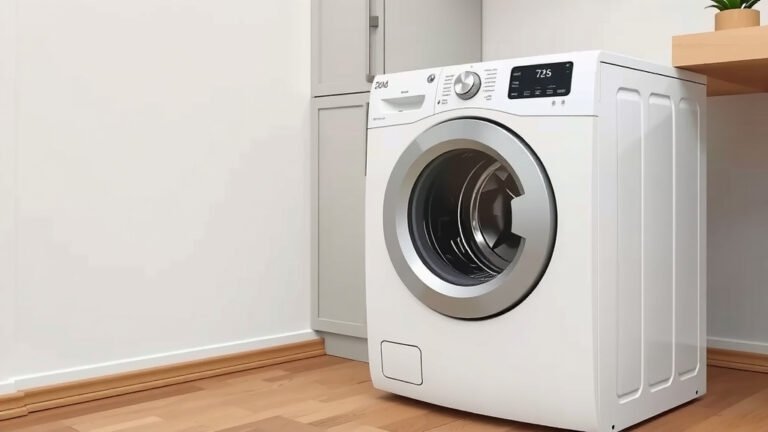
Front Load Washers: Are They Truly Superior
Yes, front load washers are generally a great choice for most households. They tend to be more energy-efficient and use less water than their top-loading counterparts. This can lead to lower utility bills over time. Plus, they often provide a gentler clean for your clothes.
When considering a washing machine, you want one that cleans well without damaging your clothes. Front loaders excel at this by tumbling clothes through water. This washing action is typically less harsh on fabrics. Many models also offer larger capacities for bigger loads.
- They clean clothes effectively with less water.
- Front load washers are often more energy-efficient.
- They provide a gentler wash cycle for fabrics.
- Many models offer larger load capacities.
Let’s dive into why front load washers have earned their good reputation and what you should look for.
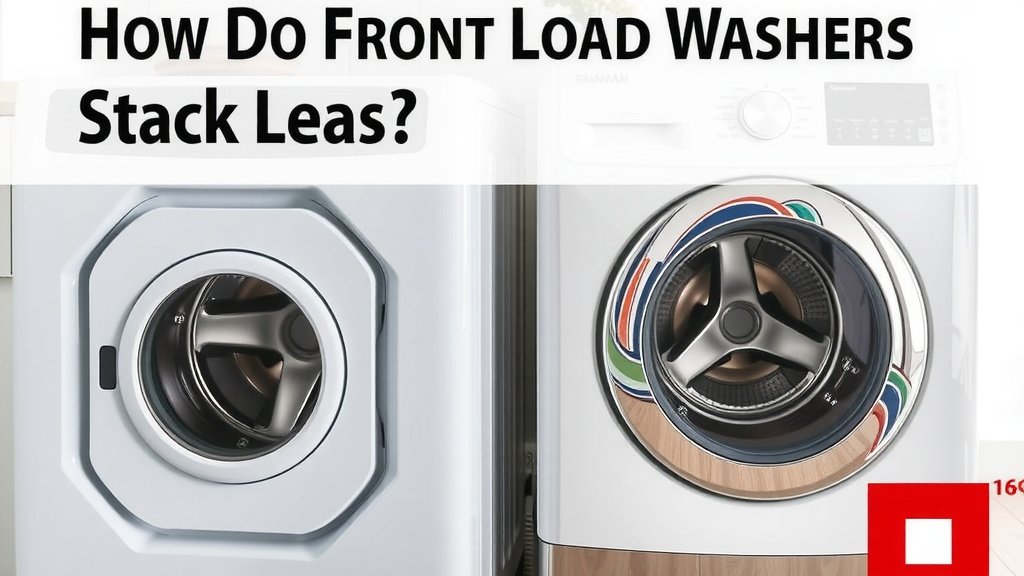
How Do Front Load Washers Stack Up?
So, you’re wondering if front load washers are really worth the hype? The short answer is a resounding yes for many. We’ve found that these machines consistently deliver excellent cleaning results. They are often praised for being tough on stains but gentle on your clothes. This means your favorite shirts and cozy sweaters can last longer.
The main reason for this is their unique washing action. Unlike traditional top-loaders that use an agitator, front loaders use gravity. Your clothes tumble through a small amount of water. This tumbling motion is much less abrasive on fabrics. It mimics the way you might hand-wash delicates, but with automated ease.
The Efficiency Advantage: Saving Water and Energy
One of the biggest draws of front load washers is their impressive efficiency. They use significantly less water than many older top-loading models. This is not just good for the planet; it’s great for your wallet too. Lower water usage means lower water bills, and many models are also designed to use less electricity.
Think about it: a top-loader fills the entire tub with water for each load. A front-loader only needs enough water to moisten the clothes as they tumble. This water-saving design is a major factor in their overall efficiency. Many models are Energy Star certified, meaning they meet strict energy efficiency guidelines set by the EPA. You can often find these certifications displayed right on the machine.
Understanding the Water Savings
We found research indicating that front load washers can use up to 40% less water than traditional top-loading machines. This can add up to hundreds of gallons saved per year per household. This reduction in water use is directly tied to their tumbling wash action. Less water is needed to achieve a thorough clean.
Energy Consumption: A Closer Look
Beyond water, front loaders also tend to be more energy-efficient in how they heat water. If your machine has a built-in water heater, it will likely use less energy than a top-loader that heats a larger volume of water. Furthermore, their high spin speeds extract more water from your clothes. This means less time is needed in the dryer, saving even more energy.
Superior Cleaning Performance
Let’s talk about how well they actually clean. Front loaders excel at removing stains. The tumbling action helps detergents penetrate fabrics more effectively. This enhanced cleaning action means you often get a deeper clean without needing harsh chemicals or extra-long cycles.
We’ve seen many reviews and consumer reports highlighting the superior stain-fighting capabilities of front loaders. They can tackle everything from grass stains on kids’ play clothes to tough grease spots. It’s like they give your clothes a good, thorough massage to work out the dirt.
Gentle on Fabrics, Tough on Grime
This is where front loaders truly shine. Their washing method is remarkably gentle. Clothes don’t get twisted and stretched around a central agitator. This reduces wear and tear on your garments. Your clothes will look newer for longer. You might even notice less pilling and fewer stretched-out items.
Think about your favorite delicate blouse or a soft cashmere sweater. Would you want it sloshing around in a large tub of water? Probably not. A front loader’s tumbling action is a much better match for these items. It provides a clean without the strain.
What About Delicates and Specialty Cycles?
Most front load washers come equipped with a variety of wash cycles. You’ll find options for delicates, heavy-duty cleaning, quick washes, and more. These cycles are tailored to specific fabric needs. This versatility ensures you can wash almost anything in your wardrobe with confidence. Some models even offer steam cycles to help sanitize and remove wrinkles.
Capacity and Convenience Factors
When you’re doing laundry for a family, load size matters. Front load washers often boast larger drum capacities than traditional top-loaders. This means you can wash more clothes at once. Fewer loads mean less time spent in the laundry room, which is a win for everyone.
Imagine tackling a week’s worth of family laundry in fewer loads. That’s the convenience a larger capacity front loader can offer. It’s especially helpful for bulky items like comforters or large towels. You might even be able to fit that king-size duvet in your machine.
Space-Saving Potential: Stacking Your Washer and Dryer
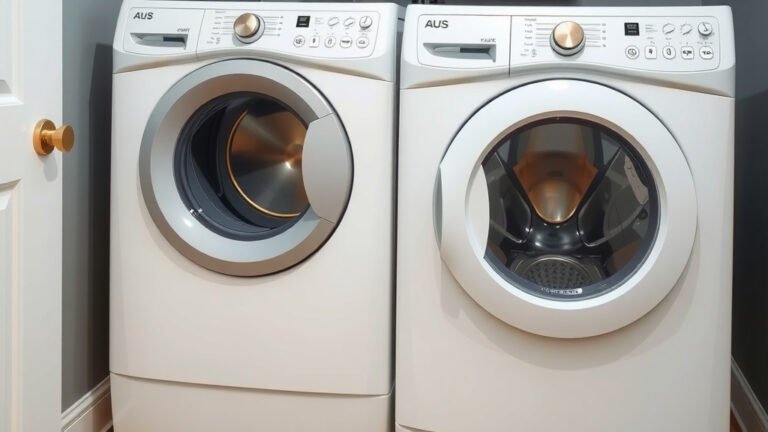
A unique advantage of front load washers is their ability to be stacked with a matching dryer. If you have limited laundry space, this is a game-changer. You can place the dryer on top of the washer, effectively doubling your laundry capacity in the same floor footprint. This is a brilliant solution for apartments, smaller homes, or even just tidier laundry rooms.
We found that this stacking feature is particularly popular in urban environments where space is at a premium. It allows homeowners to get the full benefits of a high-capacity laundry setup without needing a dedicated room. Just ensure you purchase the correct stacking kit for your specific models.
Potential Drawbacks and How to Mitigate Them
While front loaders are fantastic, it’s fair to acknowledge a few common concerns. One is the potential for mildew or odor buildup around the door seal. This can happen if moisture is trapped. To combat this, it’s recommended to leave the door ajar between washes. Wiping down the seal regularly also helps. Many newer models have improved seal designs to minimize this issue.
Another consideration is the bending required to load and unload. If bending is difficult for you, a front loader might be challenging. However, many people find that placing the washer and dryer on pedestals can solve this. These pedestals raise the machines to a more ergonomic height. They also often provide extra storage space for laundry detergents and supplies.
What to Look for in a Front Load Washer Checklist
Ready to find your perfect front load washer? Here’s a quick checklist to guide you:
- Capacity: Ensure it’s large enough for your typical loads.
- Energy Efficiency: Look for the Energy Star rating.
- Spin Speed: Higher RPMs mean drier clothes.
- Wash Cycles: Check for specialized cycles you might need.
- Noise Level: Some models are quieter than others.
- Durability & Warranty: Research brand reliability and warranty terms.
Conclusion
You’ve seen how front load washers generally live up to their excellent reputation. They offer a fantastic combination of superior cleaning performance and impressive efficiency. You’ll likely save money on utilities thanks to their lower water and energy usage. Plus, their gentle tumbling action helps your clothes last longer. If you’re looking for a washing machine that’s tough on stains but kind to your fabrics, a front loader is a smart choice for your home. Consider your laundry needs and start comparing models today to find the perfect fit for you!
Frequently Asked Questions
Are front load washers worth the extra cost?
For many households, yes. While the upfront cost can sometimes be higher, the long-term savings in water and energy bills often make up for it. We’ve found their better cleaning performance and gentler fabric care also contribute to their overall value.
How often should I clean my front load washer?
It’s a good idea to clean your front load washer about once a month. This helps prevent mildew and odor buildup in the door seal and drum. Regularly running a cleaning cycle or using a washing machine cleaner will keep it running optimally.
Can front load washers handle large loads?
Absolutely. Front loaders are known for their larger drum capacities. This means you can wash more clothes at once, which is especially helpful for families or for washing bulky items like comforters.
What is the best way to prevent mold in a front load washer?
The best prevention is to leave the door slightly ajar after each use to allow air circulation. Wiping down the rubber gasket around the door with a cloth after washes also helps remove trapped moisture and detergent residue.
Are front load washers good for delicate clothes?
Yes, they are excellent for delicates. Their tumbling wash action is much gentler than traditional agitator models. Many front loaders also have specific cycles designed for delicate fabrics, ensuring a thorough clean without damage.
![7 Best Stackable Washer And Ventless Dryer [In 2026]](https://homeunderstandable.com/wp-content/uploads/2026/09/7-best-stackable-washer-and-ventless-dryer-in-2026-featured-768x432.jpg)
![7 What Are Best Washer And Dryer To Buy [In 2026]](https://homeunderstandable.com/wp-content/uploads/2026/09/7-what-are-best-washer-and-dryer-to-buy-in-2026-featured-768x432.jpg)