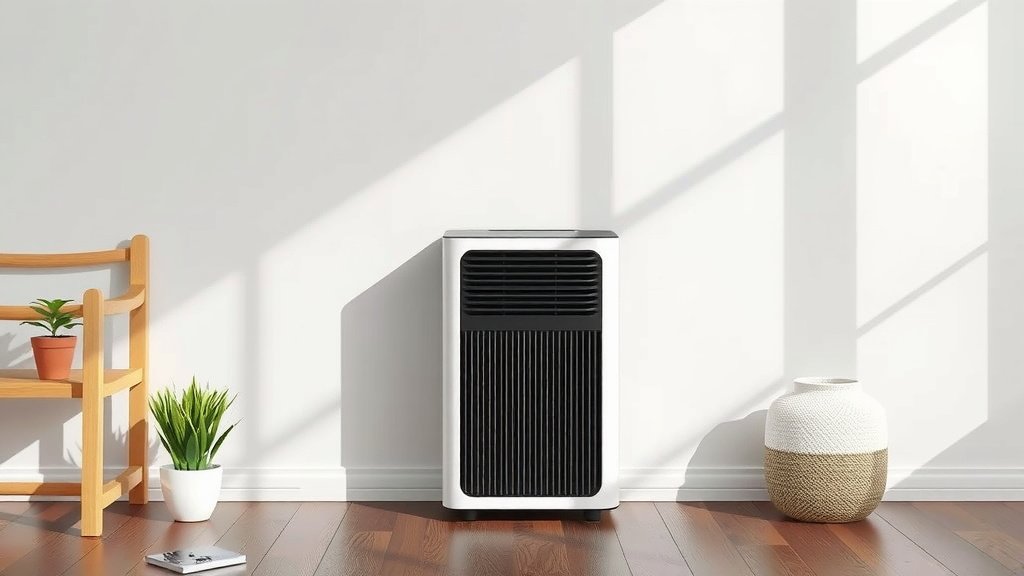
How Often Should You Turn On Air Purifier for Best Results
In 2026, with air quality remaining a top priority for healthy living, the question of air purifier usage is more relevant than ever. To truly maximize your device’s effectiveness and enjoy the cleanest air possible, the general consensus leans towards keeping it running most of the time, particularly when you’re indoors. This continuous operation guarantees your purifier is constantly on the job, diligently tackling airborne irritants and pollutants.
Factors like allergies, pets, or even living in an area with poor outdoor air quality can make running your purifier nearly 24/7 a smart move. Think of it as a tireless guardian for your home’s air, constantly on duty to catch tiny irritants.
- Run it when you’re home.
- Consider 24/7 operation for best results.
- Allergies, pets, and outdoor air matter.
- It’s about cleaner, healthier air daily.
Let’s dive into the specifics of when and how often you’ll get the most benefit from your air purifier.
When to Activate Your Air Purifier for Best Results
So, when is the right time to power up your air purifier? We found that the general consensus among air quality experts is to run your air purifier as much as possible when you are present in the room or the home. Think of it as having a tiny, silent helper constantly cleaning the air you breathe.
For the absolute best air quality, many recommend running your air purifier continuously, 24/7. This ensures that it’s always working to capture those pesky airborne particles. We know that might sound like a lot, but there are good reasons for it. Your air doesn’t just get dirty when you’re actively making a mess!
Your Daily Air Purifier Schedule
Let’s break down a typical day. When you first wake up, your air might have accumulated dust and allergens overnight. Turning on your purifier right away helps clear the air for your morning routine.
During the day, as you move around, cook, or have visitors, you stir up more particles. Running the purifier while you’re home means it’s actively working to remove these airborne irritants. This is especially true if you have pets or open windows frequently.
Even when you’re asleep, your body sheds skin cells, and dust can settle. Continuous operation ensures a cleaner breathing environment all night long. We found that consistently running your unit, even on lower settings, can make a noticeable difference over time.
Smart Usage Based on Your Environment and Needs
While running it all the time is ideal, we understand that’s not always practical or necessary for everyone. Here’s how to fine-tune your usage:
Allergies and Asthma: A Constant Battle?
If you or someone in your household suffers from allergies or asthma, running your air purifier almost constantly is highly recommended. These conditions are often triggered by common indoor allergens like dust mites, pollen, pet dander, and mold spores.
Many experts suggest that continuous purification can significantly reduce the presence of these triggers in the air. We found that keeping the purifier on, especially in bedrooms and living areas, can lead to fewer allergy flare-ups and easier breathing. Think of it as building a protective bubble around your living space.
According to the Asthma and Allergy Foundation of America, controlling allergens in the home is a key strategy for managing symptoms. An air purifier plays a vital role in this control.
Pets: Furry Friends, Fleecy Pollutants
Love your pets? We do too! But pet dander is a common allergen. If you have dogs or cats, running your air purifier whenever pets are present, and ideally 24/7, will make a big difference.
Pet dander, tiny skin flakes, can get everywhere. It’s lightweight and stays airborne for a long time. Your purifier’s filter is designed to trap these small particles, preventing them from circulating and triggering reactions. Many pet owners we’ve heard from report that a good air purifier is a game-changer for maintaining a cleaner, fresher-smelling home.
Outdoor Air Quality: Bringing the Outside In (Hopefully Not the Bad Stuff!)
Are you living in an area with poor outdoor air quality due to pollution, wildfire smoke, or high pollen counts? If so, you’ll want to run your air purifier more frequently, especially when windows are open.
Even with closed windows, outdoor pollutants can seep in. Running your purifier during periods of high outdoor pollution helps to counteract this. Many environmental health organizations advise improving indoor air quality when outdoor conditions are poor. A purifier can be your first line of defense against smog and other airborne toxins.
Cooking and Odors: Banishing Bad Smells
Do your cooking adventures leave lingering odors? Running your air purifier during and after cooking, especially for strong smells like fish or fried foods, can help eliminate unwanted scents.
Most air purifiers have activated carbon filters specifically designed to absorb odors and VOCs (volatile organic compounds). For persistent smells, turning on the purifier about 15-30 minutes before you start cooking and leaving it on for an hour or two afterward can be very effective. We found this simple habit can keep your kitchen and home smelling fresh.
Understanding Different Settings and Their Impact
Most air purifiers come with multiple fan speeds or settings. How does this affect how often you should run them?
Low/Sleep Mode: Gentle, Continuous Purification
The lowest setting is great for quiet, continuous operation. If you want your purifier running all night or all day without being disruptive, this is your best bet. We found this mode is perfect for bedrooms or small living spaces where constant, gentle air cleaning is desired.
Medium/Auto Mode: Responsive Air Cleaning
Many models have an ‘Auto’ mode that uses sensors to detect air quality and adjust fan speed accordingly. This is a fantastic option for effortless, responsive purification. If the air quality dips, it ramps up; if it’s clean, it conserves energy.
We’ve found Auto mode to be a set-it-and-forget-it solution for many households. It ensures your purifier is working hard when needed and quietly when not, offering a good balance.
High/Boost Mode: Tackling Urgent Issues
High speed is for when you need quick, powerful air cleaning. Think of situations like: after a smoke incident, during peak allergy season, or after a particularly dusty cleaning session.
While effective, running on high constantly can be noisy and consume more energy. We recommend using this setting for short bursts to clear the air rapidly, then returning to a quieter mode.
When You Can Probably Turn It Off (Or Down)
Are there times when you don’t need your air purifier running? Absolutely. If you’re leaving your home for an extended period, like a vacation, turning it off can save energy.
If you’re only stepping out for a few hours, though, leaving it on a lower setting might still be beneficial, especially if you have pets or allergies. It’s a balance between energy savings and maintaining air quality.
Consider your personal comfort level. If you feel the air is fresh and clean, and you don’t have specific air quality concerns, you have more flexibility. However, many users find they benefit most from consistent, even if low-level, purification.
A Quick Air Purifier Usage Checklist
Here’s a simple guide to help you decide:
- Always run it when you’re home and sensitive to air quality.
- Consider 24/7 operation for maximum benefit, especially with allergies or pets.
- Use High or Boost for quick cleanups after cooking or dusty activities.
- Utilize Low or Sleep mode for quiet, continuous operation, like at night.
- Auto mode is a great set-and-forget option for everyday use.
- Turn off when away from home for extended periods to save energy.
Conclusion
You’ve learned that running your air purifier most of the time is key for healthier indoor air. For the best results, especially if you deal with allergies, pets, or poor outdoor air, continuous 24/7 operation is often recommended. Even using lower settings consistently makes a difference.
Remember to adjust based on your needs – using high settings for quick cleanups and low/auto modes for daily purification. By understanding your purifier’s settings and your home’s unique environment, you can create a cleaner breathing space. Your next step is to assess your home’s air quality needs and set your purifier to work for you.
Frequently Asked Questions
Does running an air purifier 24/7 really make a difference?
Yes, running your air purifier 24/7 can significantly improve your indoor air quality. Continuous operation ensures that airborne pollutants like dust, allergens, and odors are consistently captured. We found that this constant purification is especially beneficial for those with respiratory issues or pets.
Is it okay to turn off my air purifier when I leave the house?
It’s generally fine to turn off your air purifier when you’re away for extended periods, like vacations, to save energy. However, if you’re only stepping out for a few hours, leaving it on a low setting might still be beneficial for maintaining air quality, particularly if you have pets or allergies.
Can I run my air purifier on a low setting all day and night?
Absolutely. Running your air purifier on a low or sleep setting is a great way to achieve quiet, continuous purification. This mode is ideal for maintaining clean air in bedrooms at night or in living spaces during the day without causing noise disruption.
How often should I run my air purifier if I have pets?
If you have pets, running your air purifier as often as possible is highly recommended, ideally 24/7. Pet dander is a common allergen that stays airborne for a long time. Continuous operation helps trap these particles and reduces odors, leading to a cleaner home environment for you and your furry friends.
What’s the difference between Auto mode and just running it constantly?
Auto mode uses sensors to adjust the fan speed based on detected air quality, working harder when pollutants are present and conserving energy when the air is clean. Running it constantly means it operates at a set speed (like low or medium) all the time. Auto mode offers responsive, energy-efficient purification, while constant operation provides a steady level of cleaning.
![5 Best Home Air Purifier for Pet Odor [In 2026]](https://homeunderstandable.com/wp-content/uploads/2025/05/best-home-air-purifier-for-pet-odor-top-picks-for-fresh-air-768x512.jpg)
![What Is The Best Air Purifier for Closet [In 2026]](https://homeunderstandable.com/wp-content/uploads/2025/06/best-air-purifier-for-closet.jpg)