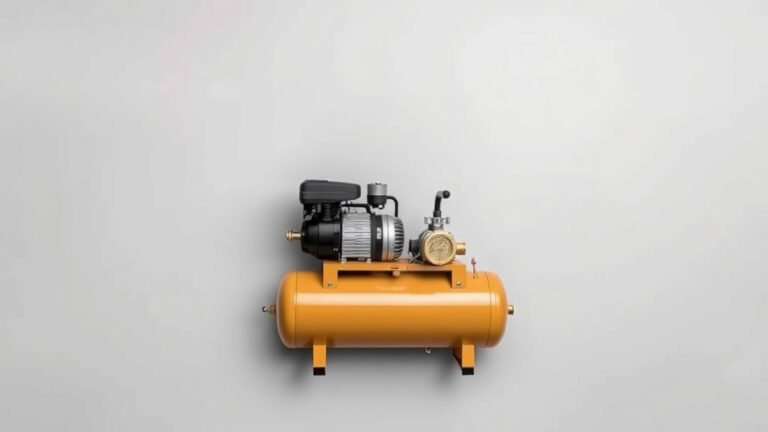
How Long Does an Air Compressor Last? Lifespan Guide
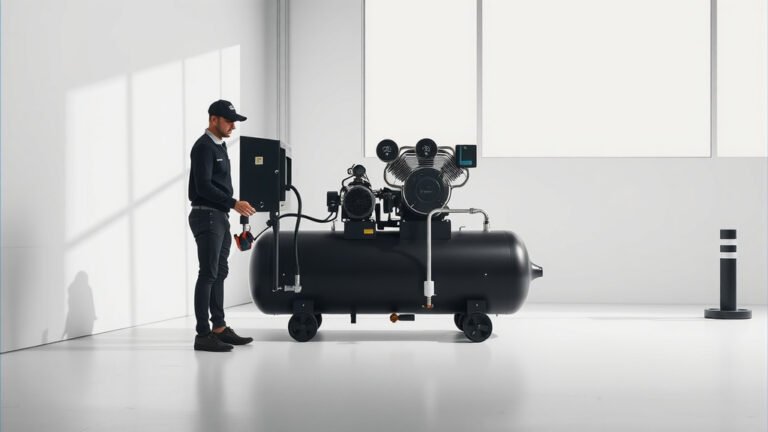
So, how long should your air compressor last? Generally, you can expect a well-maintained air compressor to last anywhere from 10 to 20 years. This lifespan depends heavily on the type of compressor and how often you use it. Smaller, portable units might have a shorter life than larger, industrial models, but proper care is key for them all to reach their full potential.
It’s not just about putting it in the garage and forgetting about it. Regular maintenance, like checking oil levels and cleaning air filters, plays a massive role. We’ve found that air compressors that are used daily for heavy-duty tasks will naturally wear out faster than those used for occasional DIY projects. Think of it like your car: you wouldn’t expect it to last as long if you drive it hard every single day without any tune-ups, right?
- Most air compressors last 10-20 years with good care.
- Usage frequency impacts lifespan significantly.
- Regular maintenance is the biggest factor.
- Smaller compressors may have shorter lifespans.
- Proper storage also plays a role.
Let’s get into the details of what makes an air compressor tick and how you can make yours last as long as possible.
What’s the Expected Lifespan of an Air Compressor?
You’re probably wondering just how long that trusty air compressor is going to serve you. We’ve looked into it, and the general consensus is that most air compressors can last for a solid 10 to 20 years.
This isn’t some hard and fast rule, though. Several factors really play a big part. Think of it like your favorite tool; how you treat it makes a huge difference in how long it sticks around.
Factors Influencing Air Compressor Longevity
Several things can either shorten or lengthen the life of your air compressor. Understanding these will help you make informed decisions about its care.
Type of Air Compressor
Not all air compressors are created equal. The design and intended use greatly affect their lifespan.
Piston (Reciprocating) Compressors
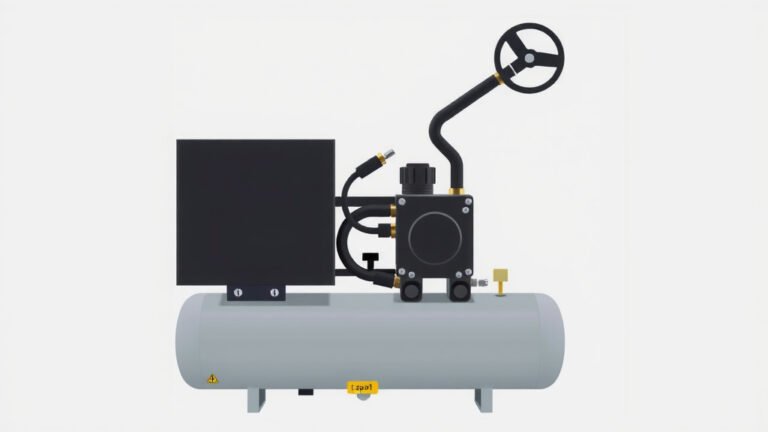
These are the most common types for home garages and workshops. They use a piston and cylinder to compress air. Piston compressors can be either oil-lubricated or oil-free.
Oil-lubricated models tend to be more durable and quieter. The oil helps reduce friction and wear on the internal parts. We found that these generally have a longer service life.
Oil-free compressors are lighter and require less maintenance in terms of oil changes. However, they often run hotter and can be noisier. Their lifespans might be a bit shorter due to increased wear on the piston rings and cylinder walls.
Rotary Screw Compressors
These are typically found in industrial settings. They use rotating screws to compress air. They are built for heavy-duty, continuous use and are designed to last a very long time, often 20 years or more with proper upkeep.
Centrifugal Compressors
These are also industrial workhorses, using impellers to spin air at high speeds. They’re known for their high-volume output and durability, also capable of lasting 20+ years.
Usage Frequency and Intensity
How often and how hard you use your air compressor is a major determinant of its lifespan. Using it daily for demanding tasks will naturally shorten its life compared to occasional use.
For instance, a compressor powering an auto shop with multiple air tools running constantly will wear out faster than one used for a few hours a week to inflate tires or run a brad nailer.
We found that compressors working at or near their maximum capacity for extended periods experience more stress. This can lead to premature wear on components like the motor, pump, and seals.
Maintenance Routine
This is arguably the most critical factor. Regular, diligent maintenance can extend the life of an air compressor significantly.
Oil Changes (for lubricated models)
Just like your car, air compressors that require oil need regular changes. Old, dirty oil loses its lubricating properties. This causes increased friction and heat, which damages internal parts.
Many manufacturers recommend checking oil levels weekly and changing the oil every few months or after a certain number of operating hours. We found that using the correct type of oil specified by the manufacturer is also very important.
Air Filter Cleaning and Replacement
A clogged air filter restricts airflow to the pump. This makes the motor work harder, leading to overheating and reduced efficiency. Dirty filters can also allow dust and debris into the compressor, causing internal damage.
You should inspect and clean your air filter regularly. For most home users, this might mean checking it monthly. Replacement is usually needed annually or when it shows significant wear.
Drain Valve Usage
Moisture is the enemy of an air compressor’s tank and internal components. Every time you compress air, you also condense water vapor. This water can rust the tank from the inside and damage the pump.
You should drain the tank at the end of each use or at least daily. Many compressors have a manual drain valve at the bottom of the tank. Some newer models have automatic drain valves.
Environmental Factors and Storage
Where you keep and use your compressor matters.
Temperature and Humidity
Extreme temperatures can affect compressor performance and longevity. Very cold temperatures can make oil thicker, and very hot temperatures can cause overheating. High humidity increases condensation inside the tank.
We found that operating compressors in a relatively stable, moderate temperature environment is best. A well-ventilated area helps dissipate heat.
Proper Storage
When not in use, your air compressor should be stored in a clean, dry place. Protecting it from dust, debris, and extreme weather is essential.
For portable units, this means keeping them out of the rain and direct sun. For stationary units, ensure the surrounding area is clean and free from obstructions.
Signs Your Air Compressor Might Be Nearing the End of its Life
Even with the best care, all machines eventually wear out. Here are some warning signs that your air compressor might be on its last leg:
- Increased Noise: Unusual grinding, knocking, or rattling sounds can indicate worn bearings or internal damage.
- Reduced Airflow: If you’re not getting the same amount of air pressure or volume as before, the pump or motor may be failing.
- Frequent Cycling: The compressor turning on and off much more often than it used to could mean there’s a leak or the pressure switch is malfunctioning.
- Overheating: If the motor or pump feels excessively hot even after short periods of use, there’s likely an issue with cooling or lubrication.
- Visible Leaks: Air leaks not only waste energy but can also put extra strain on the compressor.
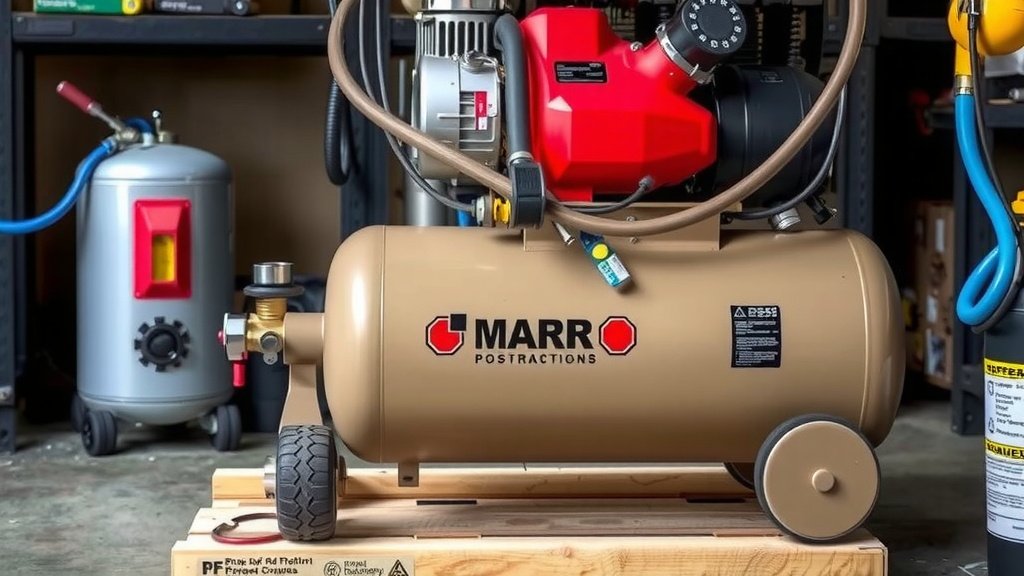
Making Your Air Compressor Last: A Simple Checklist
Want to give your air compressor the best chance at a long life? Follow these simple steps:
- Drain the tank after every use.
- Check and clean the air filter regularly.
- Monitor oil levels and change oil as recommended for lubricated models.
- Keep the compressor clean and free of dust and debris.
- Store it in a dry, well-ventilated area when not in use.
- Listen for unusual noises and address them promptly.
Conclusion
You’ve learned that your air compressor’s lifespan, typically 10 to 20 years, is largely in your hands. Regular maintenance, like draining moisture and cleaning filters, is the most impactful way you can ensure longevity. The type of compressor you own and how often you use it also play a role, but consistent care is the true secret. By following simple checks and keeping your unit clean and protected, you give it the best chance to serve you reliably for many years to come. Start by checking your air filter today to give your compressor a boost!
Frequently Asked Questions
What’s the biggest enemy of an air compressor’s lifespan?
Moisture is the biggest enemy. Water vapor condenses inside the tank as you compress air. This can lead to rust and internal damage over time. Draining the tank after each use is vital to prevent this.
Can I use any type of oil in my lubricated air compressor?
No, you should always use the specific type of oil recommended by the manufacturer. Using the wrong oil can lead to poor lubrication and increased wear on internal parts. Check your owner’s manual for the correct specification.
How often should I replace the air filter?
For most home users, inspecting the air filter monthly and cleaning it is a good practice. You’ll likely need to replace it annually or sooner if it appears damaged or excessively dirty. A clean filter ensures your compressor runs efficiently.
Does running my air compressor too hard shorten its life?
Yes, it can. If you constantly run your compressor at or near its maximum capacity for extended periods, it puts extra stress on the motor and pump. This can accelerate wear and potentially shorten its overall lifespan.
What are the signs that my air compressor needs immediate attention?
Listen for unusual noises like grinding or knocking. Reduced airflow or the compressor overheating quickly are also serious warning signs. These indicate internal issues that should be addressed promptly to avoid further damage.