How Much Does a 60 Gallon Air Compressor Weigh?
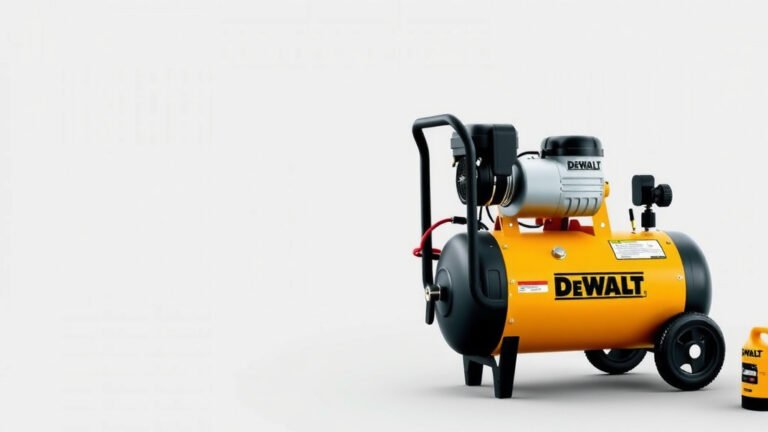
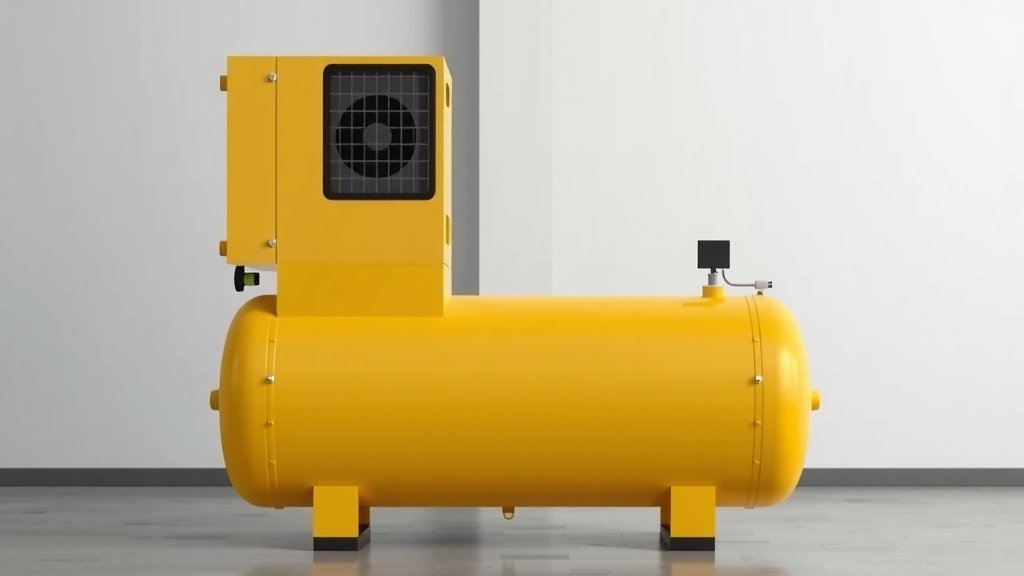
So, you’re wondering about the weight of a 60-gallon air compressor? You’re not alone! Most 60-gallon air compressors typically weigh between 200 and 400 pounds. The exact weight can change based on the tank size, motor, and whether it’s a single-stage or two-stage model. We’ve found that this range covers most common options you’ll see.
This weight is important to consider for a few reasons. You’ll need to think about moving it and ensuring you have a stable place for it to sit. Many units require two people to lift safely. Understanding the weight helps you plan your setup and avoid any heavy surprises.
- A 60-gallon air compressor usually weighs 200 to 400 pounds.
- Factors like motor size and tank design affect the weight.
- Two-stage compressors are often heavier than single-stage ones.
- Weight impacts installation and moving plans.
We’ve gathered the details to help you understand exactly what to expect regarding your new compressor’s heft. Let’s walk through the typical weight ranges and what influences them.
Understanding the Weight of a 60-Gallon Air Compressor
You’re probably wondering about the heft of a 60-gallon air compressor. It’s a fair question, as these machines aren’t exactly pocket-sized. We’ve looked into it, and the typical weight you can expect is between 200 and 400 pounds. This range accounts for most common models you’ll find on the market. It’s good to have this number in mind early on.
This weight is a key factor for a few practical reasons. You’ll need to think about how you’ll move it into place. Plus, you need to ensure it has a stable spot where it won’t tip over. Many of these units require at least two people to lift safely. Knowing the weight helps you plan your setup and avoid any heavy surprises down the line.
Factors Influencing Compressor Weight
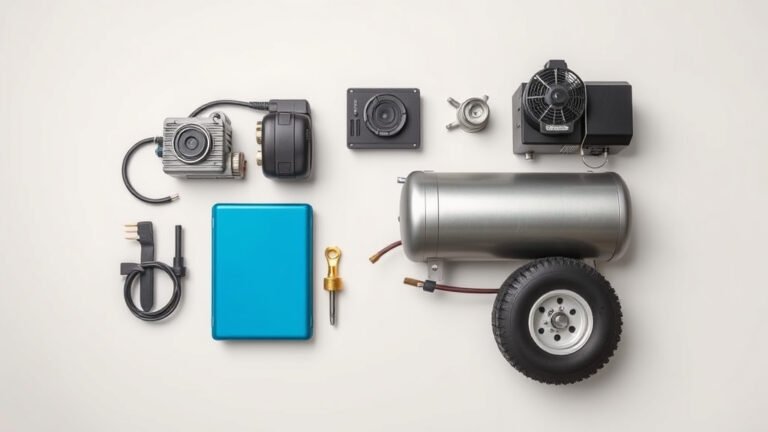
So, what makes one 60-gallon compressor heavier than another? It’s a combination of its components and design. Think of it like building a machine with different parts, each adding its own poundage.
Tank Size and Material
The 60-gallon tank itself is a big part of the weight. Most of these tanks are made from thick steel to withstand the air pressure. A larger tank naturally means more material. We found that the thickness of the steel used also plays a role. Thicker steel offers more durability but adds to the overall poundage.
Motor Horsepower and Type
The motor is the powerhouse of your compressor. Higher horsepower motors are generally larger and heavier. They use more robust materials to handle the increased power output. You’ll also find different types of motors, like induction motors, which tend to be sturdier and thus, heavier.
Single-Stage vs. Two-Stage Compression
This is a big one! Single-stage compressors compress air once. Two-stage compressors compress it twice. This extra step in two-stage models requires additional components, like an intercooler. We found that this complexity often translates to a heavier machine. Many two-stage models will be at the higher end of our weight range.
Pump Design and Materials
The air pump assembly, where the magic of compression happens, also contributes. Pumps made with cast iron are known for their durability and quiet operation. However, cast iron is quite dense. Many research findings suggest that cast iron pumps are typically heavier than aluminum ones. This choice impacts both performance and weight.
Typical Weight Ranges by Compressor Type
Let’s break down the weight a bit more by looking at common types of 60-gallon compressors.
Single-Stage 60-Gallon Compressors
These are generally the lighter of the 60-gallon options. They are great for intermittent use with tools that don’t require a constant, high volume of air. We found their weights often fall in the 200 to 300 pound range. They are simpler in design, with fewer parts to add bulk.
Two-Stage 60-Gallon Compressors
As we mentioned, two-stage compressors are built for heavier, continuous use. This means they often have more robust components. Based on our research, these models tend to weigh more, typically ranging from 280 to 400 pounds. They are the workhorses, and their weight reflects that.
Portable vs. Stationary Units
While most 60-gallon compressors are considered stationary, some might have wheels. Even with wheels, don’t expect them to be easy to move around casually. The presence of wheels doesn’t significantly reduce the core weight of the unit. We found that the overall mass remains high due to the large tank and powerful motor. The wheels are more for repositioning within a workshop than for true portability.
Why Compressor Weight Matters to You
So, why should you care about these numbers? It’s all about practical application.
Installation and Placement
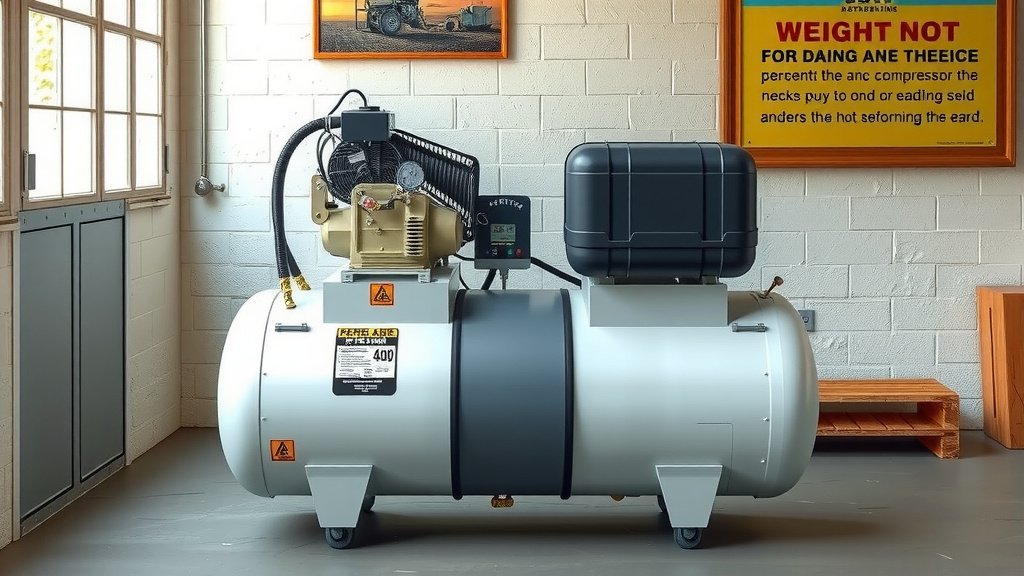
You need a solid foundation for your compressor. A heavy unit can cause uneven settling on softer floors. Many experts recommend placing compressors on a concrete pad or a sturdy workbench. This ensures stability and minimizes vibrations. Remember, a 300-pound machine needs support!
Moving and Handling
As we’ve stressed, these aren’t one-person lifts. You’ll likely need a hand truck or a dolly rated for heavy loads. Always plan ahead for how you’ll get the compressor into your workshop or garage. Asking a friend or two for help is always a good idea. Safety first!
Storage and Seismic Considerations
In some regions, especially earthquake-prone areas, securing heavy equipment is vital. You might need to anchor your compressor to a wall or floor. Check local building codes or guidelines. This prevents the unit from shifting or tipping over during seismic activity. We found that proper anchoring is a key safety step for heavy machinery.
Weight Comparison: A Quick Look
To give you a clearer picture, here’s a general comparison:
| Compressor Type | Typical Weight Range (lbs) |
|---|---|
| Single-Stage 60-Gallon | 200 – 300 |
| Two-Stage 60-Gallon | 280 – 400 |
| (Note: These are averages and can vary by manufacturer.) |
Getting Your Compressor Ready: A Checklist
Thinking about the weight and how to manage it? Here’s a quick checklist to help you prepare:
- Assess your space for a stable, level spot.
- Measure doorways and pathways for moving.
- Gather lifting aids like a heavy-duty dolly or hand truck.
- Enlist help from at least one strong friend.
- Plan for anchoring if required by your location or preference.
- Confirm the exact weight of your chosen model from the manufacturer.
By considering the weight of a 60-gallon air compressor early on, you set yourself up for a smoother installation and a safer workspace. You’re not just buying a tool; you’re bringing a substantial piece of equipment home.
Conclusion
So, you’ve learned that a 60-gallon air compressor typically weighs between 200 and 400 pounds. We’ve seen how factors like motor size, tank material, and whether it’s single or two-stage all add to its heft. This weight means you absolutely need a plan for installation and moving. Don’t underestimate the need for a solid foundation and extra hands (or a good dolly!). Before you buy, confirm the specific weight for your chosen model and prepare your space accordingly. Your preparation will ensure a safe and smooth setup for your new workshop workhorse.
Frequently Asked Questions
Is a 60-gallon air compressor hard to move on my own?
Generally, yes. Most 60-gallon compressors weigh between 200 and 400 pounds, making them very difficult and unsafe to move alone. We strongly recommend having at least one, if not two, helpers or using a heavy-duty dolly or hand truck designed for substantial weight.
Do portable 60-gallon air compressors exist, and how heavy are they?
While some 60-gallon models may have wheels, they are rarely truly portable in the sense of being easily moved. The wheels primarily assist in repositioning within a workshop. Their weight remains considerable, as the large tank and motor are the primary contributors to their heft, not the wheels.
Will the weight of a 60-gallon compressor damage my garage floor?
A heavy compressor placed on a softer surface, like a typical garage floor coating, could potentially cause damage or uneven settling over time. We found that it’s best practice to place these units on a solid concrete pad or a reinforced workbench to ensure stability and prevent floor damage.
Are two-stage 60-gallon compressors always heavier than single-stage ones?
In most cases, yes. Two-stage compressors have additional components for the second compression cycle, which adds to their overall build and weight. We found that these robust machines often sit at the higher end of the 280-400 pound range, while single-stage models are typically lighter.
Where can I find the exact weight of a specific 60-gallon air compressor model?
The most reliable place to find the exact weight of a specific model is on the manufacturer’s official website. You can usually find this information in the product specifications or technical details section of the product page. We also suggest checking retailer product listings, but always double-check with the manufacturer if possible.