Air Compressor Replacement Cost: What You Need to Know
Replacing an air compressor typically costs between $500 and $2,500, depending on the type, size, and brand you choose. Smaller, portable compressors are generally less expensive, while larger, stationary units can be a much bigger investment. The labor costs for installation can also add a substantial amount to the total.
When you’re facing a broken air compressor, the price tag can seem daunting. We found that understanding the different types of compressors and their associated costs can help you budget effectively. Factors like installation complexity and any necessary electrical upgrades will also impact your final bill, so it’s wise to get a few quotes.
- Most air compressor replacements fall between $500 and $2,500.
- Portable units are cheaper than stationary ones.
- Labor costs vary greatly by location and installer.
- Consider potential electrical upgrades needed for larger units.
- Get multiple quotes to compare pricing.
Let’s break down the factors that influence air compressor replacement costs so you can make an informed decision.
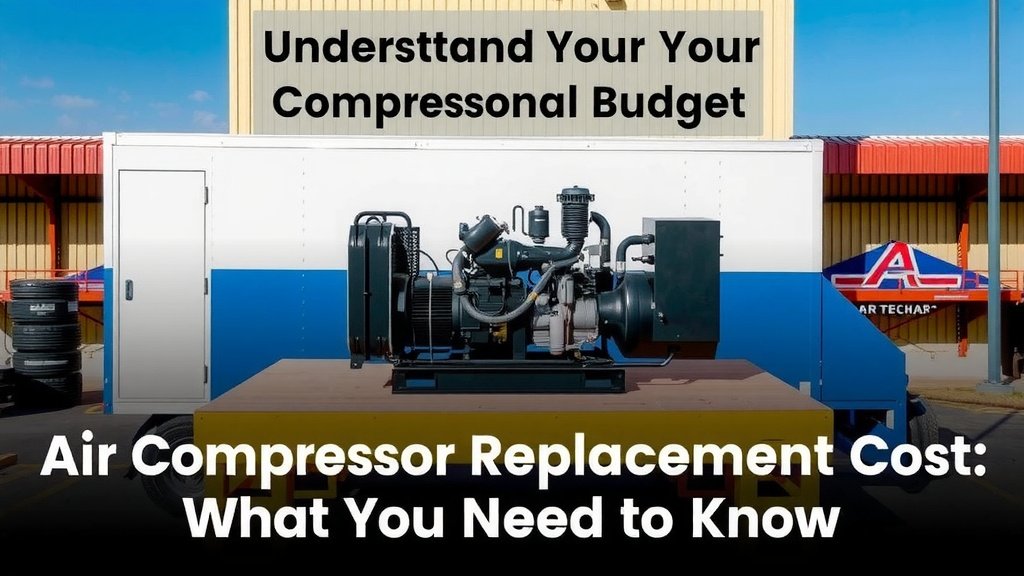
Understanding Your Air Compressor Replacement Budget
So, your air compressor has finally thrown in the towel. It’s a common problem, and the good news is, replacing it doesn’t have to break the bank. We found that most people end up spending between $500 and $2,500 to get a new one up and running. This price range accounts for a wide variety of compressor types and sizes. It’s a big difference, right? Let’s explore what causes this spread.
Factors Influencing Air Compressor Costs
Several key elements play a major role in how much you’ll pay. Think of it like buying a car – a small commuter car costs less than a big truck. Your air compressor is no different. The size, power, and intended use of the compressor are primary drivers of its price tag. We also found that the brand name can sometimes add a premium.
Compressor Type and Size
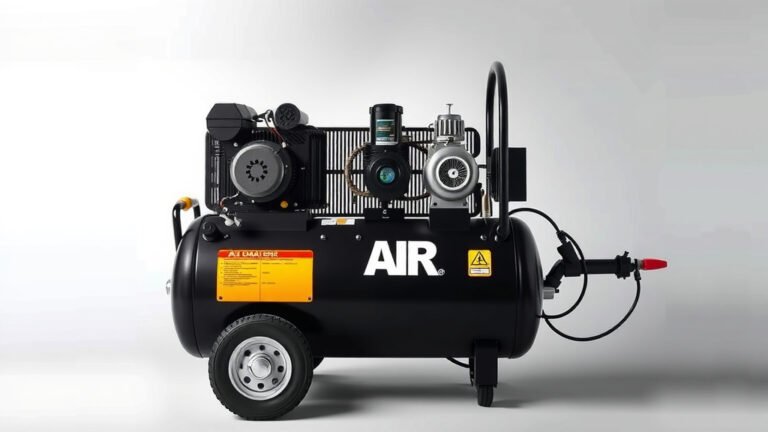
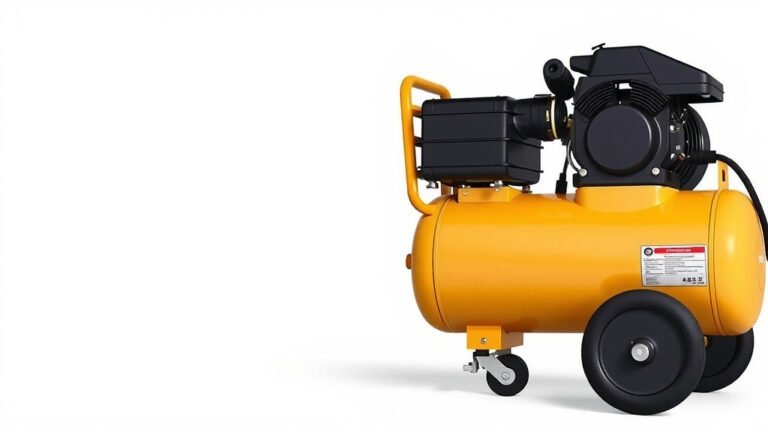
This is where the biggest price differences appear. Are you looking for a small, portable unit for occasional DIY projects, or a powerful, stationary compressor for a professional workshop? Portable compressors are generally much cheaper than their stationary counterparts. We’ve seen portable models start as low as a few hundred dollars, while industrial-grade stationary units can easily climb into the thousands.
Horsepower and Tank Capacity
Horsepower (HP) and tank size are direct indicators of a compressor’s power and performance. A higher HP means more air output. A larger tank means it can store more compressed air, reducing how often the motor needs to run. For example, a 2 HP compressor with a 30-gallon tank will cost more than a 1 HP model with a 10-gallon tank. These specs are crucial for matching the compressor to your specific needs.
Brand and Quality
Just like with other appliances, some brands are known for higher quality and durability, and they come with a higher price. We found that while a budget brand might save you money upfront, investing in a reputable manufacturer can often lead to better performance and a longer lifespan. Think about it as a long-term investment for your tools and projects.
The Price of Installation and Labor
The compressor itself is only part of the cost. How much will it cost to get it installed and ready to go? This is where things can get a bit more unpredictable. Installation costs can vary wildly based on your location, the complexity of the job, and the technician you hire. We found that labor can add anywhere from $100 to over $1,000 to your total bill.
Simple vs. Complex Installations
If you’re simply replacing an old portable compressor with a new one of similar size and power, the installation might be as simple as plugging it in. However, if you’re upgrading to a larger, stationary unit that requires dedicated wiring, new plumbing for air lines, or mounting to a solid foundation, the labor costs will naturally be higher. Some experts suggest that for larger units, budget an additional 20-50% of the compressor’s cost for professional installation.
Electrical Requirements
Many larger air compressors require more powerful electrical outlets and circuits than standard household ones. You might need a qualified electrician to upgrade your existing wiring or install a new circuit. We found that this electrical work can add several hundred dollars to the overall expense. Always check the power requirements of your new compressor before purchasing it to avoid surprises.
Geographic Location and Technician Rates
Labor rates differ significantly from one region to another. A technician in a major metropolitan area might charge more than one in a rural setting. It’s also worth considering whether you’ll use a general handyman or a specialized HVAC or industrial mechanic. We recommend getting at least three quotes from different professionals to ensure you’re getting a fair price for the installation work.
Comparing Compressor Costs: A Quick Look
To give you a clearer picture, let’s look at some estimated price ranges. These are general figures, and your actual costs may vary. We found these comparisons helpful for setting expectations.
| Compressor Type | Estimated Unit Cost | Estimated Installation Cost | Total Estimated Range |
|---|---|---|---|
| Small Portable (1-6 Gallons) | $100 – $400 | $50 – $150 | $150 – $550 |
| Medium Portable/Stationary (10-30 Gallons) | $300 – $1,000 | $100 – $400 | $400 – $1,400 |
| Large Stationary (40-80+ Gallons) | $800 – $2,500+ | $300 – $1,000+ | $1,100 – $3,500+ |
Remember, these are just estimates. The specific features and brand will influence where your compressor falls within these ranges.
What to Consider Before You Buy
Before you commit to a replacement, take a moment to review your needs. Are you using your compressor for inflating tires occasionally, or running multiple pneumatic tools simultaneously? Making sure you choose the right size and type for your intended tasks will save you money and frustration in the long run. Many people find that they actually need a less powerful unit than they initially thought.
It’s also a good idea to check if your current setup can handle a new compressor. For instance, do you have adequate ventilation if you’re getting a larger unit? Are your air hoses in good condition? Addressing these smaller issues now can prevent unexpected costs down the line. We found that a little planning goes a long way.
Your Air Compressor Replacement Checklist
Here’s a quick checklist to help you navigate the replacement process and stay on budget:
- Assess your current and future air tool needs.
- Determine the required HP and tank size.
- Research reputable brands and their warranties.
- Get multiple quotes for installation services.
- Factor in potential electrical or plumbing upgrades.
- Read reviews to gauge long-term reliability.
Conclusion
Replacing your air compressor doesn’t have to be a guessing game. You’ve learned that costs typically range from $500 to $2,500, with the unit’s type, size, and brand playing major roles. Don’t forget to factor in installation, which can add hundreds or even over a thousand dollars depending on the complexity and your location. By assessing your needs and getting multiple quotes, you can confidently budget for this essential piece of equipment. Your next step is to start gathering those installation estimates to pinpoint your exact replacement cost.
Frequently Asked Questions
Do I need an electrician to install a new air compressor?
It depends on the compressor’s power requirements. Smaller units might just need a standard outlet. However, larger, more powerful compressors often require upgraded wiring or dedicated circuits, which a qualified electrician must handle. Always check the electrical specifications before purchasing.
Can I save money by installing the air compressor myself?
For very small, portable compressors, DIY installation might be straightforward. However, for larger stationary units, improper installation can lead to performance issues or safety hazards. We found that professional installation ensures it’s done correctly and safely, often saving you headaches down the line.
Are brand-name air compressors always more expensive?
Generally, yes, reputable brands often come with a higher price tag. This usually reflects better build quality, durability, and longer warranties. While a budget brand might seem appealing upfront, consider the long-term value and potential repair costs associated with less established names.
How does the type of compressor affect the replacement cost?
The type significantly impacts cost. Small, portable compressors for light use are the most affordable. Larger, stationary units designed for continuous, heavy-duty use are considerably more expensive due to their size, power, and construction. You’re paying for increased capacity and performance.
What are common hidden costs when replacing an air compressor?
Hidden costs can include necessary electrical upgrades, new plumbing for air lines, mounting hardware for stationary units, or even disposal fees for your old compressor. Always ask installers about potential additional expenses before agreeing to a price.