How Often to Change Your Air Purifier Filter
You should generally change your air purifier filter every 6 to 12 months. This timeframe is a good starting point for most homes, but it really depends on your specific air purifier and how much you use it. A dirty filter can make your air purifier work harder and less effectively, so keeping it clean is key for cleaner air.
We found that air purifiers are fantastic tools for improving indoor air quality. But, just like any appliance, they need a little maintenance to do their best work. Ignoring your filter is like trying to run a marathon with a clogged nose – not ideal! Knowing when to swap it out ensures you’re getting the most bang for your buck and breathing the freshest air possible.
- Change filters every 6-12 months for best results.
- Usage and air quality affect filter life.
- A clean filter means an efficient purifier.
- Check your model’s manual for specific advice.
- Don’t forget to replace yours – your lungs will thank you!
Ready to learn more about keeping your air purifier in tip-top shape? Let’s walk through exactly how to determine the perfect time to swap out that filter.
You’ve got your air purifier humming along, doing its thing to make your home’s air cleaner and fresher. That’s fantastic! But just like your car needs oil changes, your air purifier needs a new filter now and then. So, how often should you really be swapping out that filter to keep it working at its best?
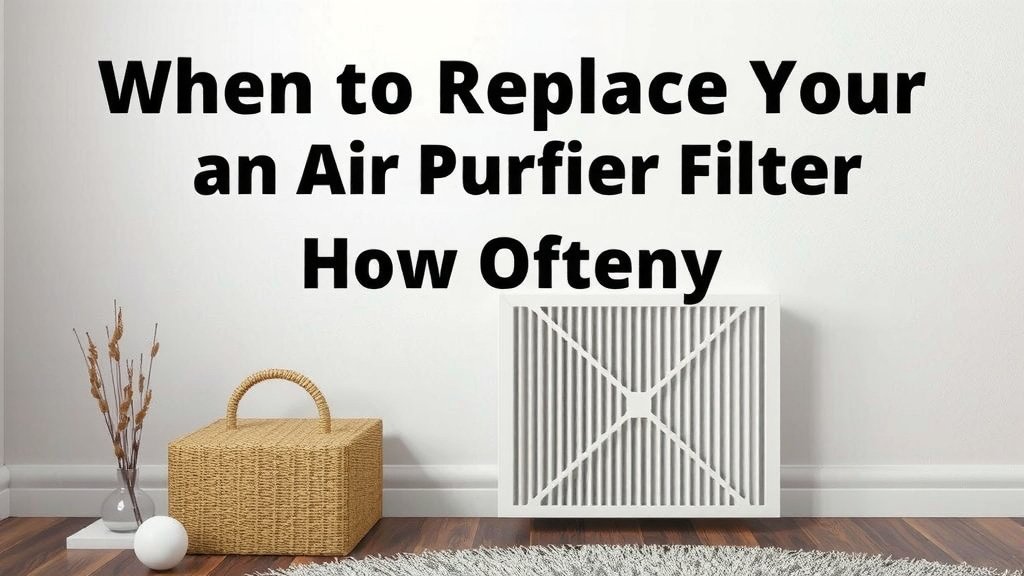
When to Replace Your Air Purifier Filter
The general rule of thumb is to replace your air purifier filter every 6 to 12 months. This is a solid starting point for most households. However, several factors can speed up or slow down this timeline. Think of it less like a strict deadline and more like a guideline to keep your purifier performing optimally.
Factors Influencing Filter Lifespan
Your air purifier’s filter doesn’t operate in a vacuum. Its lifespan is directly impacted by its environment and how hard it’s working. Paying attention to these elements will help you determine the right time to buy a new filter.
Usage Frequency Matters
How often do you run your air purifier? If you have it on 24/7, especially on higher settings, the filter will clog up faster. Running it only when you’re home or during specific times can extend its life. For heavy users, aim for the shorter end of the 6-month range.
Home Environment and Air Quality
Do you live near a busy road? Do you have pets who shed a lot? Are there smokers in the household? These conditions mean your air purifier is working overtime to capture dust, dander, smoke, and other pollutants. High pollution levels can drastically reduce filter life. In such cases, checking your filter more frequently, perhaps every 3 to 4 months, is wise.
The Type of Filter You Have
Air purifiers use different types of filters. The most common are HEPA filters and activated carbon filters.
| Filter Type | Typical Lifespan | What They Capture |
|---|---|---|
| Pre-filters | Washable/Replaceable every 1-3 months | Large particles like hair and lint |
| HEPA Filters | 6-12 months | Fine particles like pollen, mold spores, and dust mites |
| Activated Carbon Filters | 6-12 months (sometimes shorter) | Odors, gases, and VOCs (volatile organic compounds) |
Many air purifiers combine these filter types. The activated carbon filter might need replacing sooner if you’re dealing with a lot of odors. Many experts suggest that if your model has a combined filter, you should follow the replacement schedule for the component that has the shortest lifespan.
Signs Your Air Purifier Filter Needs Replacing
Sometimes, your air purifier will tell you when it’s time for a new filter. Other times, you need to be a little detective. Look for these common clues:
Reduced Airflow
Have you noticed less air coming out of your purifier lately? If the fan is running at the same speed but the air output seems weaker, it’s a strong sign the filter is clogged. A blocked filter makes it harder for air to pass through, similar to trying to breathe through a thick blanket.
Increased Noise Levels
When a filter gets dirty, the motor has to work harder to push air through it. This extra strain can lead to your air purifier sounding louder than usual. If your quiet companion suddenly sounds like a jet engine preparing for takeoff, a dirty filter might be the culprit.
Lingering Odors
If you’re using an air purifier with an activated carbon filter and you start noticing unpleasant smells returning—like pet odors, cooking smells, or smoke—it means the carbon is saturated. It can no longer absorb those odor molecules effectively. We found that this is a clear indicator it’s time for a fresh filter.
Visible Dirt and Dust
Sometimes, you can see the filter itself. If you take it out and it looks visibly dirty, grey, or caked with dust, it’s definitely past its prime. Some manufacturers recommend checking your filter visually every few months, especially if you suspect heavy usage.
Your Air Purifier’s Indicator Light
Many modern air purifiers come with a handy “filter change” indicator light. This light is programmed to come on after a certain amount of runtime or based on sensor readings. It’s a convenient reminder, but don’t rely on it solely. Environmental factors can still cause it to fail early.
The Manufacturer’s Recommendation is Key
While general guidelines are helpful, the best source of information for your specific air purifier is always its user manual. Manufacturers design their systems and filters to work together. They know their product best. They will provide the most accurate recommended replacement schedule for your particular model. We found that most manuals suggest checking the filter every 3-6 months and replacing it based on usage and visible condition, but often state a maximum lifespan of 12 months.
Why Replacing Your Filter is So Important
Think of your air purifier filter as the lungs of your machine. When they get clogged, the whole system suffers. Here’s why keeping up with replacements is essential:
Restores Optimal Performance
A clean filter allows your air purifier to capture pollutants efficiently. Replacing it ensures your machine can do its job effectively, leading to better air quality in your home. Many studies suggest that maintaining filters is key to achieving the advertised purification levels (CDC).
Prevents Strain on the Motor
A dirty filter forces the motor to work harder. This can shorten the lifespan of your air purifier and lead to costly repairs. It’s like pushing your car too hard up a hill without giving it a break.
Saves Energy
When your air purifier isn’t struggling to pull air through a clogged filter, it uses less energy. Regularly changing your filter can contribute to lower electricity bills. You’re essentially helping your machine run more efficiently.
Keeps Your Warranty Valid
Many manufacturers require you to maintain their products according to the manual’s instructions to keep the warranty valid. Not replacing your filter as recommended could void your warranty if something goes wrong.
A Quick Checklist for Filter Replacement
To make things simple, here’s a quick way to remember when to check and replace your filter:
- Check your air purifier’s manual for its specific recommendations.
- Visually inspect your filter every 3 months for signs of dirt.
- Listen for changes in your purifier’s noise level.
- Notice if the airflow seems weaker than before.
- Smell for any returning odors your purifier used to eliminate.
- Set a reminder on your phone or calendar for filter replacement every 6-12 months.
Conclusion
You’ve learned that changing your air purifier filter isn’t a one-size-fits-all situation. While 6 to 12 months is a good general guideline, factors like usage, your home’s air quality, and filter type all play a role. Paying attention to reduced airflow, increased noise, or lingering odors can help you spot a clogged filter. Remember to always consult your air purifier’s manual for its specific recommendations. Your next step is simple: check your manual, set a reminder, and ensure your air purifier keeps working its best for your health.
Frequently Asked Questions
How often should I check my air purifier filter if I have pets?
If you have pets, you’ll likely need to check your filter more often, perhaps every 1 to 3 months. Pet dander is a common airborne irritant that air purifiers work hard to capture. A visible inspection will help you determine if it’s getting clogged faster than the typical schedule.
Can I wash my air purifier filter instead of replacing it?
Some pre-filters are washable, designed to catch larger particles like pet hair. However, HEPA and activated carbon filters are typically not washable and must be replaced. Washing them can damage their structure and reduce their effectiveness, so always check your manual before attempting to clean.
What happens if I don’t change my air purifier filter at all?
If you neglect filter changes, your air purifier will become ineffective. A clogged filter can’t capture new pollutants, and it may even release trapped particles back into the air. You might also notice decreased airflow, increased noise, and potential strain on the purifier’s motor, leading to premature wear.
My air purifier has an indicator light, can I just wait for that?
The filter change indicator light is a helpful reminder, but it shouldn’t be your only guide. It’s often based on runtime, not actual air quality or filter condition. If your home has higher-than-average pollution, your filter might need changing even before the light comes on. It’s wise to check manually between indicator alerts.
Do all air purifier filters need to be replaced at the same time?
Many air purifiers use a multi-stage filtration system, often including a pre-filter, a HEPA filter, and an activated carbon filter. While HEPA and carbon filters usually have similar replacement cycles (6-12 months), pre-filters might need cleaning or replacing more frequently (1-3 months). If your model has combined filters, follow the schedule for the component with the shortest lifespan.