How to Blow Out Pool Lines With an Air Compressor
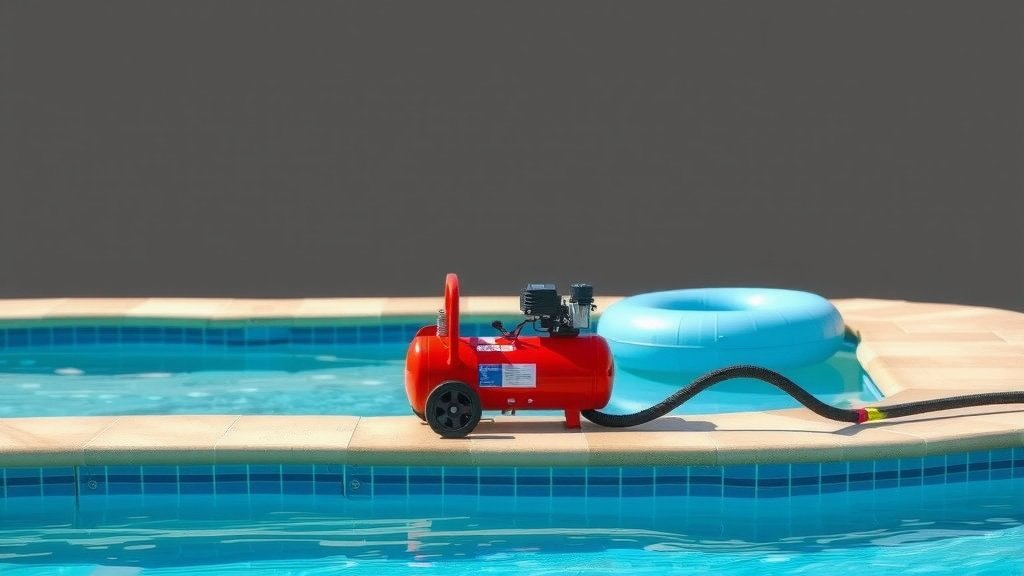
Yes, you can absolutely blow out pool lines with an air compressor to winterize them. This method is very effective at preventing freeze damage. It ensures your pipes are completely clear of water before the cold weather hits.
Using an air compressor is a smart way to protect your pool equipment. It’s a task many homeowners can do themselves. Doing this properly saves you from costly repairs later. It’s a key part of year-round pool care.
- Why blow out pool lines? To prevent costly freeze damage.
- What do you need? An air compressor and the right fittings.
- How often? Annually before winter sets in.
- Is it difficult? With a little guidance, it’s manageable.
- What’s the benefit? Peace of mind and protected equipment.
Let’s walk through exactly how to use your air compressor to get your pool lines winter-ready. We’ll cover the steps to make sure it’s done right.
Winterizing Your Pool: Clearing Lines with an Air Compressor
Using an air compressor is a very effective way to winterize your pool. It helps prevent freeze damage to your pipes and equipment. You want to make sure all the water is out before winter’s chill arrives.
Preparing Your Pool for Air Blowing
Before you connect that air compressor, you need to get your pool ready. This involves a few key steps. It ensures the air can move freely through your lines. You don’t want any blockages.
Lowering the Water Level
The first step is to lower your pool’s water level. You’ll want to drop it below your skimmer. Many experts suggest lowering it about 4-6 inches below the skimmer opening. This prevents water from freezing in the skimmer body itself (Pool and Hot Tub Alliance).
You can drain the water using your pool pump. Or, you might use a submersible pump if you need to lower it more significantly. Just be sure to turn off the power to your pool equipment before you start draining.
Disconnecting and Draining Equipment
Next, you’ll need to disconnect and drain any pool equipment that holds water. This includes your filter, heater, and pump. Each piece has its own drain plug. You’ll find them at the bottom of the unit.
Open these drain plugs and let all the water flow out. For your filter, you might also need to remove the drain cap. Make sure you have a bucket or hose ready to direct the water away. Don’t forget to remove any drain plugs and store them safely. You’ll need them in the spring!
Closing Valves and Plugs
Once everything is drained, close all the necessary valves. You’ll want to close the valves that connect your skimmer and main drain to the pump. This is important. It stops any residual water from flowing back into the pipes you’re about to clear.
Some pools have a freeze protector valve. Make sure this is closed as well. You’re essentially creating sealed-off sections of pipe. This lets the air do its job effectively. You’ll also want to plug the return lines and skimmer opening to prevent air from escaping too easily.
Connecting the Air Compressor
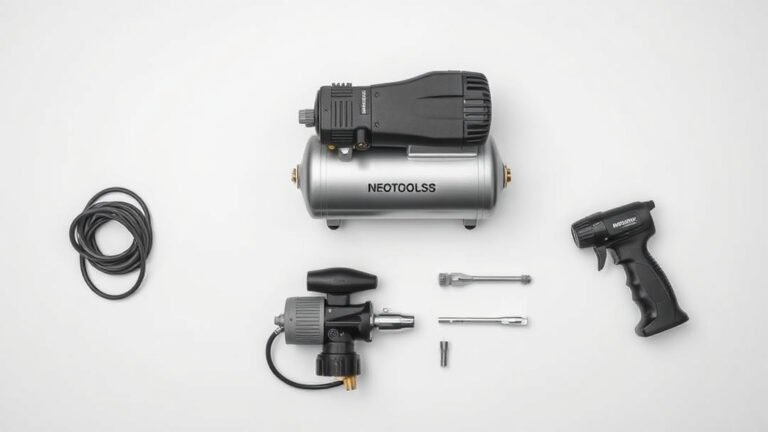
Now for the part you’ve been waiting for: hooking up the air compressor. This is where having the right adapter makes all the difference. You can’t just jam a hose into a pipe!
Choosing the Right Adapter
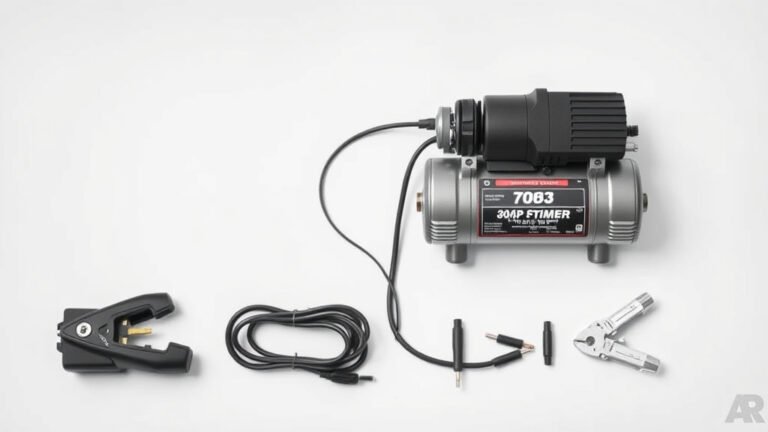
You’ll need a special adapter that fits your air compressor hose and connects securely to your pool’s plumbing. These are often called “air blow-out plugs” or “winterizing adapters.” They usually have a threaded end that screws into your return line fitting or skimmer.
For most standard pool return lines, the adapter will screw directly into the fitting where your return jet used to be. If you’re blowing out the skimmer line, you’ll often use a special plug that fits into the skimmer basket opening. Research and find the adapter that matches your specific pool setup. A good seal is **absolutely critical** here.
Securing the Connection
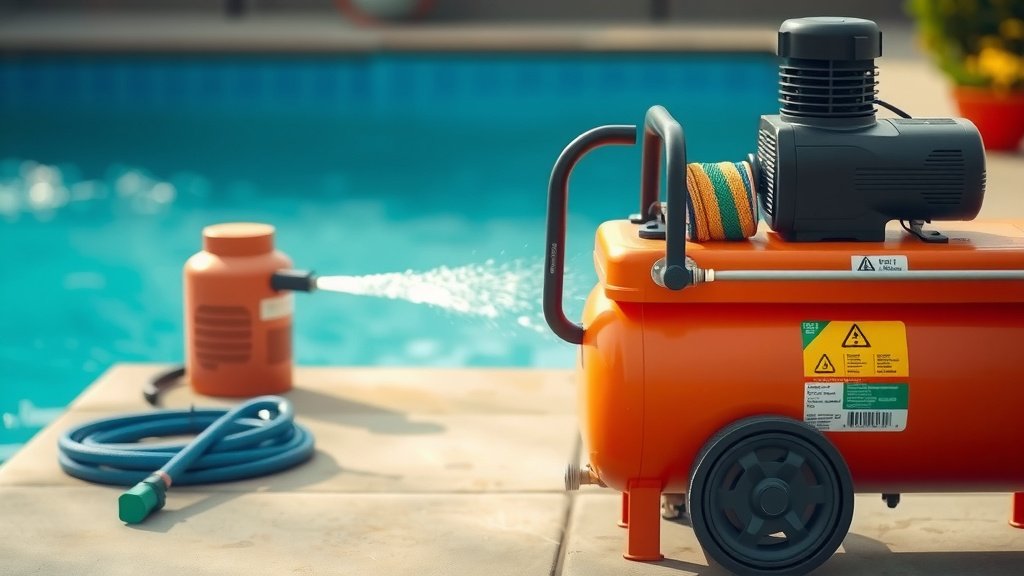
Once you have the correct adapter, make sure it’s attached firmly to your pool line. Then, connect your air compressor hose to the adapter. You want a snug fit. A loose connection will just let all that precious compressed air escape. That’s not good for clearing your lines! Connect your air compressor hose to the adapter, ensuring a snug fit to prevent air escape.
Consider using a hose clamp if your adapter and hose connection seem a bit loose. You want to be confident it won’t pop off. This is especially important as the air pressure builds. A little extra security goes a long way.
Blowing Out the Pool Lines
With everything connected, it’s time to introduce air pressure. This is the core of the process. You’re pushing all that water out of your pipes. This prevents it from freezing and causing cracks.
Setting the Air Compressor Pressure
This is a **very important safety step**. You do NOT want to use excessive pressure. High pressure can damage your pipes or equipment. Most pool lines can be cleared with a pressure of around 20-30 PSI (pounds per square inch).
Check your air compressor’s manual for its maximum pressure. Use the regulator on your compressor to set the output pressure to the lower range. Many experts recommend keeping the pressure below 50 PSI for pool lines (National Swimming Pool Foundation). Start low and you can always increase it slightly if needed.
The Blowing Process – Step-by-Step
Here’s how to do it:
- Turn on the compressor. Let it build up some pressure.
- Adjust the regulator to your desired PSI (around 20-30 PSI).
- Open the valve on your compressor hose slowly.
- Listen and watch. You should hear air rushing through the pipes. You’ll see water being expelled from the discharge point (like your return lines if you’re not plugged).
- Continue until no more water is coming out. You want to hear only air.
- Once clear, turn off the air compressor and disconnect the hose.
Clearing Different Lines
You’ll typically need to repeat this process for each major line. This includes the skimmer line, the main drain line, and any return lines. If you have a spa or water features, those lines need clearing too.
Start with the furthest point from your equipment. For example, if you’re blowing out the return lines, start at one of the return fittings. Connect the adapter, blow it out until clear, disconnect, and move to the next one. This ensures thoroughness.
Final Winterizing Steps
Once the lines are clear, you’re almost done with winterizing. There are a few more things to do to protect your pool.
Adding Pool Antifreeze
After blowing out the lines, it’s wise to add pool-specific antifreeze. This is not automotive antifreeze. Pool antifreeze is non-toxic and designed for your plumbing. It provides an extra layer of protection against any remaining moisture.
Pour the recommended amount directly into the pipes through the return fittings or skimmer line. This helps displace any last bits of water and ensures that whatever might be left won’t freeze and expand. Research and found that this step is highly recommended by pool professionals.
Securing the Pool Cover
The final step is to secure your pool cover. Make sure it’s installed properly. This keeps out debris like leaves and dirt throughout the winter. It also prevents sunlight from encouraging algae growth in any residual water.
A tight-fitting cover is your best defense. It protects your pool from the elements and keeps your water cleaner for the spring opening. You’ve worked hard to get it winter-ready, so don’t let a flimsy cover undo your efforts!
Conclusion
You’ve successfully learned how to blow out your pool lines with an air compressor. This essential step protects your investment from damaging winter freezes. By following these instructions, you ensure your plumbing remains intact. This prevents costly repairs when spring arrives.
Take a moment to confirm all your equipment is drained and plugs are stored safely. Your next step is to properly secure your pool cover. This keeps everything clean and protected until the swimming season returns. Happy winterizing!
Frequently Asked Questions
What is the right air pressure for blowing out pool lines?
You should aim for a low pressure, typically 20-30 PSI. Over-pressurizing can damage your pipes or equipment. Always use your compressor’s regulator to control the output. It’s better to be safe and keep it on the lower end.
How do I know if I have the right adapter for my air compressor?
You need a specialized adapter designed for pool winterizing. These are often called “air blow-out plugs.” They have a threaded end that screws into your return fittings or skimmer opening. Research specific adapters for your pool’s plumbing type.
Can I use my regular shop air compressor for this?
Yes, a standard shop air compressor works well. The key is having the correct winterizing adapter to connect it to your pool lines. You also need to carefully control the air pressure using the compressor’s regulator.
What if I can’t get all the water out of a line?
If a line is stubborn, try slightly increasing the pressure, but stay well below 50 PSI. Ensure your adapter is sealed tightly. Adding pool-specific antifreeze afterwards provides an extra layer of protection against residual water.
Do I need to blow out all the lines, even the spa?
Yes, it’s critical to blow out every line that carries water. This includes your main pool lines, skimmer lines, and any lines for attached spas, water features, or cleaners. Thoroughness prevents damage to all parts of your system.