How to Bypass an Air Compressor Pressure Switch Safely
Bypassing an air compressor pressure switch is a risky procedure that can lead to serious damage or injury. It’s generally not recommended because it overrides your compressor’s safety features, potentially causing an explosion if the tank overpressurizes. You should only consider this if you understand the risks and have a backup safety measure, like a separate pressure relief valve.
This switch is designed to protect your equipment and you. It tells the motor when to turn off and on based on the air pressure. Messing with it means you lose that vital automatic control, which is a big deal for safety. Many mechanics strongly advise against it for good reason.
- Pressure switches are safety devices.
- Bypassing them can cause over-pressurization.
- Over-pressurization risks tank rupture or explosion.
- Always ensure a working pressure relief valve is present.
- Consult a professional if unsure.
If you’re still looking into this, we’ve researched the common methods and the necessary precautions. Let’s walk through what’s involved and why extreme caution is your best friend here. If you’re still looking into this, our guide on how to adjust air compressor pressure offers safer alternatives.
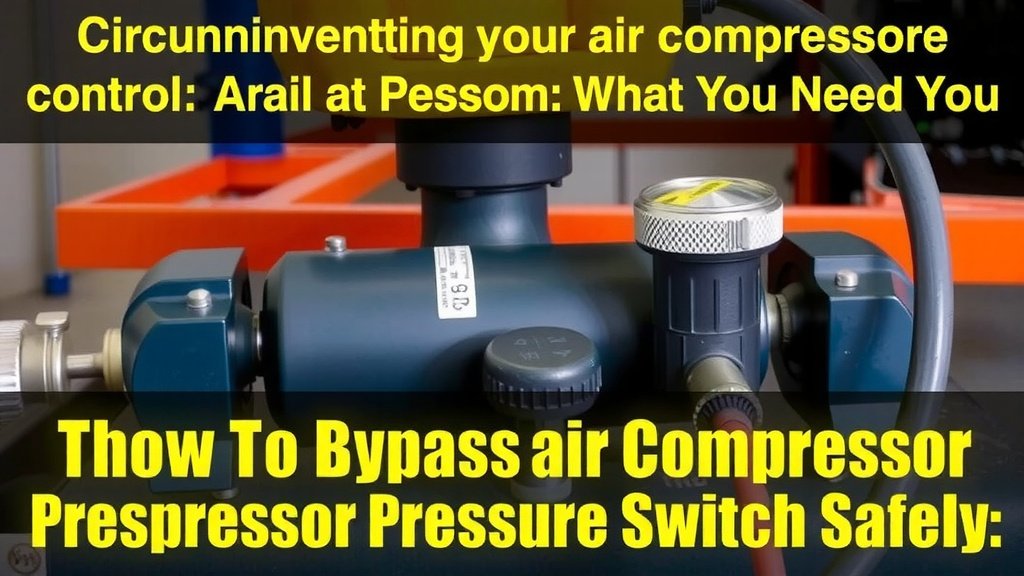
Circumventing Your Air Compressor’s Pressure Control: What You Need to Know
This guide explores methods for bypassing an air compressor’s pressure switch. We understand you might be looking for ways to keep your compressor running longer. However, we must stress that this is a highly dangerous procedure. It removes a critical safety layer. Always prioritize safety and consider the risks before proceeding.
Understanding the Pressure Switch’s Role
Think of your air compressor’s pressure switch like a thermostat for air. It monitors the pressure inside your storage tank. When the pressure drops below a set point, it signals the motor to turn on and build more air. When the tank reaches its maximum safe pressure, the switch tells the motor to shut off. This cycle prevents over-pressurization. It also prevents unnecessary wear on your compressor.
Why Bypassing is So Risky
When you bypass the switch, you essentially tell the compressor to ignore the pressure level. It will just keep running. This can quickly lead to dangerous pressure levels. We found that air compressor tanks are designed to withstand a certain amount of pressure. Exceeding this limit can cause the tank to rupture or even explode. This can cause serious injury or death.
Many safety organizations, like the Occupational Safety and Health Administration (OSHA), have strict guidelines about pressure vessel safety. Bypassing a safety control like a pressure switch goes against these fundamental safety principles. It’s like removing the safety on a firearm; you lose a vital safeguard.
Potential Methods for Bypassing (Proceed with Extreme Caution)
We’ve researched common approaches people consider when attempting to bypass a pressure switch. Remember, these are informational and not an endorsement. If you choose to proceed, you do so at your own significant risk. It’s absolutely vital to have a secondary safety mechanism in place.
Method 1: Disconnecting Wires (Temporary Bypass)
This method involves physically disconnecting the wires that lead to the pressure switch. The switch typically has two terminals where the power supply connects. By removing these wires, you interrupt the signal that would normally tell the motor to shut off.
To do this, you’ll need to access the pressure switch. It’s usually located on top of the air compressor tank, often near the main power cord. You’ll likely need a screwdriver to remove the cover. Once exposed, you’ll see the wires connected to the switch.
Warning: Ensure the compressor is completely unplugged from the power source before touching any wires. We cannot stress this enough. Electrical shock is a real danger.
After disconnecting the wires, you might need to secure them so they don’t touch anything conductive. Some people use wire nuts or electrical tape. The goal is to prevent accidental re-connection or short circuits.
Method 2: Using a Jumper Wire (More Permanent Bypass)
Another method involves using a jumper wire to bridge the two terminals on the pressure switch. This essentially creates a permanent connection, tricking the switch into thinking the circuit is always closed. This means the motor will continue to run regardless of tank pressure.
This requires a bit more mechanical aptitude. You would typically disconnect the wires from the switch terminals and then connect a new wire between those two terminals. This jumper wire should be rated for the appropriate amperage for your compressor.
This method is extremely dangerous because it provides no way for the system to naturally shut off. You are completely reliant on external factors or manual intervention to stop the compressor.
The Critical Importance of a Pressure Relief Valve
If you are bypassing the pressure switch, a functional pressure relief valve (PRV) becomes your only line of defense against over-pressurization. This valve is designed to automatically open and vent excess air if the pressure inside the tank gets too high. It’s a passive safety device.
We found that many compressors come with a PRV. You should verify yours is present and working. To test it, you can often pull the ring on the valve. You should hear air escaping. If it’s stuck or doesn’t release air, it needs immediate replacement. Many experts say a PRV should be tested regularly, perhaps monthly.
Essential Safety Precautions and Considerations
We cannot overstate the importance of safety here. If you’re considering bypassing the pressure switch, you must implement robust safety measures. Think of it like building a backup parachute when you’re already jumping out of a plane.
Backup Safety Systems You Need
Beyond a functioning PRV, consider these:
- Manual Shut-off: Always have a way to manually cut power to the compressor. A clearly labeled emergency stop button or a dedicated circuit breaker is wise.
- Visual Pressure Gauge: Keep a close eye on the tank pressure gauge at all times. If it starts climbing too high, you need to be ready to shut it off immediately.
- External Over-pressure Cut-off: For very advanced users, some opt for an external high-pressure cut-off switch. This is a separate device that monitors pressure and cuts power if it exceeds a safe threshold.
When to Call a Professional
If any of this sounds confusing or intimidating, it’s a clear sign you should not attempt this yourself. An experienced technician can diagnose pressure switch issues and repair or replace them correctly. They understand the safety implications and have the tools and knowledge to do the job safely.
Sometimes, the pressure switch might just be faulty and needs replacement. Trying to bypass it to keep an old unit running might not be worth the risk. We found that replacement parts are often readily available and relatively inexpensive compared to potential accident costs.
Checklist for Considering a Bypass (Not a How-To Guide!)
Before you even think about touching a wire, ask yourself these questions. Treat this as a safety audit:
- Is your pressure relief valve in perfect working order?
- Do you have a reliable way to manually cut all power?
- Are you monitoring the pressure gauge constantly?
- Do you understand electrical safety and basic wiring?
- Is this temporary fix absolutely necessary, or can the switch be repaired?
- Are you prepared for the worst-case scenario?
Alternative Solutions to Bypassing
Before you consider bypassing the switch, let’s look at why you might be thinking about it. Is the switch faulty? Is it cycling too frequently? Often, there are simpler, safer solutions. Before considering bypassing the switch, learn how to build pressure in air safely.
Replacing a Faulty Pressure Switch
Faulty pressure switches are common. They can become sticky, corroded, or simply wear out over time. Replacing the switch is the safest and most effective solution. You’ll need to identify the correct replacement part for your compressor model. This usually involves noting the brand and model number of your compressor and the pressure switch itself. We found that many online retailers and local hardware stores carry these parts.
Adjusting the Pressure Settings
Some pressure switches allow for adjustments to the cut-in (off) and cut-out (on) pressures. If your compressor is shutting off too soon or running too long, this might be an option. However, it’s critical to only adjust within the safe operating limits of your compressor tank. Tampering with these settings can also lead to over-pressurization if done incorrectly. Always consult your compressor’s manual.
Addressing Other Compressor Issues
Sometimes, problems that seem related to the pressure switch are actually caused by other components. Leaks in the air system, a failing check valve, or even a worn-out motor can cause pressure fluctuations. It’s wise to rule out these other possibilities before considering drastic measures like bypassing the switch.
| Troubleshooting Step | Why It’s Safer | Bypassing Risk |
|---|---|---|
| Diagnose faulty switch | Identifies the root problem for repair. | Masks the problem, creates new dangers. |
| Replace switch | Restores original safety function. | Removes safety function entirely. |
| Adjust settings (if possible) | Fine-tunes operation within safe limits. | Ignores safe limits, risks over-pressurization. |
| Check for air leaks | Ensures system efficiency and correct cycling. | Can exacerbate problems by running motor constantly. |
Conclusion
You’ve learned that bypassing your air compressor’s pressure switch is a high-risk maneuver. It removes a vital safety feature designed to prevent dangerous over-pressurization. While temporary bypass methods exist, they eliminate your compressor’s automatic shut-off, making a functioning pressure relief valve and constant monitoring absolutely essential. We strongly advise considering repairs or professional service as the safest routes. If you decide to proceed, ensure you have multiple backup safety systems in place and fully understand the potential consequences.
Frequently Asked Questions
What happens if I bypass the pressure switch and don’t have a relief valve?
If you bypass the pressure switch without a working relief valve, your compressor motor will run continuously. This can cause the air tank pressure to exceed its safe limit, leading to a tank rupture or even an explosion. This is an extremely dangerous situation that could cause severe injury or death.
How often should I test my air compressor’s pressure relief valve?
We found that many experts recommend testing your pressure relief valve at least monthly. You can usually test it by gently pulling the valve’s ring. You should hear air escaping. If it’s stuck or doesn’t release air, it needs immediate replacement.
Can I just replace the pressure switch instead of bypassing it?
Yes, replacing a faulty pressure switch is always the safest and most recommended solution. It restores your compressor’s automatic safety controls and is generally much less risky than attempting a bypass. Parts are often readily available for most compressor models.
Is it illegal to bypass an air compressor pressure switch?
While there might not be specific laws against it in all areas, bypassing safety devices like pressure switches often violates safety regulations, such as those set by OSHA. Operating equipment with disabled safety features can also void warranties and insurance coverage.
What are the signs of a failing pressure switch?
Common signs include the compressor motor short-cycling (turning on and off very rapidly), not building enough pressure, or running constantly without shutting off. You might also hear unusual noises or see sparks around the switch. If you notice these, it’s best to get it checked by a professional.