New Washing Machine Cost: What to Expect in 2026
You’re probably wondering, “How much does a new washing machine cost?” A new washing machine typically costs between $500 and $1,500. Basic models are on the lower end, while high-efficiency and smart features push the price higher. Delivery and installation can add to the total, too.
The price can change based on brand reputation and available features. You might find great deals on simpler, front-load or top-load machines. But if you’re dreaming of a WiFi-connected washer that talks to your dryer, expect to pay more. It’s a big purchase, and we want you to feel prepared.
- New washing machines generally cost $500 to $1,500.
- Prices vary based on features like efficiency and smart tech.
- Don’t forget potential costs for delivery and installation.
- Basic models are budget-friendly, while advanced ones cost more.
- Consider your needs to find the right balance of price and features.
Let’s break down what influences the cost and what you can expect to spend. We’ll help you find a machine that fits your budget and your laundry room. Our guide to the best new washer and dryer sets can help you find a matching pair.
“`htmlUnderstanding the Price Tag of Your Next Washing Machine
So, you’re in the market for a new washing machine. It’s not just about clean clothes; it’s an investment in your home. The cost can really add up. We’ve looked into what you can expect to spend. Most new washing machines fall between $500 and $1,500. This range covers everything from basic models to fancy, feature-packed units.
Several factors influence this price. Think about the type of machine, its energy efficiency, and any smart capabilities. We’ll break down these elements so you can make a smart choice. You want a machine that works hard for you without breaking the bank. Let’s get this sorted!
Washing Machine Types and Their Cost Impacts
The most basic way prices differ is by the machine’s design. You have two main styles: top-load and front-load. Each has its own pros, cons, and price points.
Top-Load Washing Machines
Top-load washers are often the more affordable option. You’ll find many basic models in this category. They are usually easier to load without bending over. Some people also prefer the traditional feel of a top-loader.
Traditional Agitator Models
These are the classic top-loaders. They use a central post, called an agitator, to move clothes. They tend to be less expensive. You can often find these for under $500. However, they might use more water and be rougher on fabrics. Many experts suggest they aren’t as gentle as other types (Consumer Reports).
High-Efficiency (HE) Top-Loaders
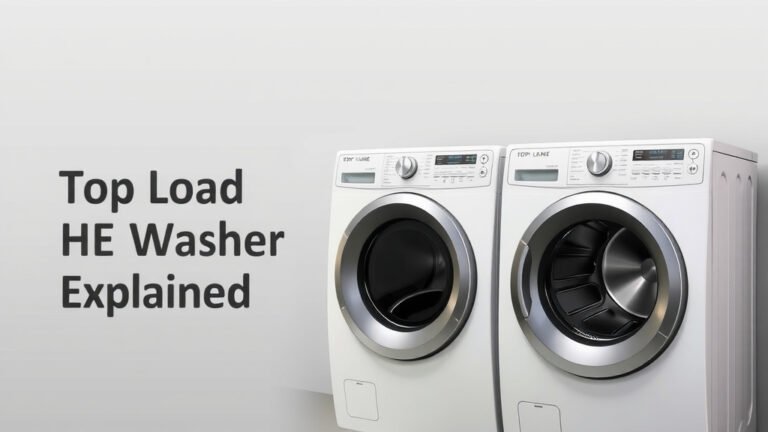
HE top-loaders don’t have the center agitator. Instead, they use an impeller at the bottom to move clothes. They use less water and energy than agitator models. Because of this, they usually cost a bit more, often starting around $600. They tend to be gentler on your clothes.
Front-Load Washing Machines
Front-loaders have become very popular. They are known for their excellent cleaning performance. They also use less water and are more energy-efficient. This efficiency often means a higher upfront cost.
Expect to start paying around $700 for a decent front-load washer. High-end models with advanced features can easily go over $1,500. They stack well with dryers, saving space. Many studies show they are the most water-efficient option (Energy Star).
Key Features That Affect Washing Machine Prices
Beyond the basic type, the features packed into a washing machine significantly change the price. Think of it like buying a car; adding a sunroof and leather seats costs extra.
Capacity: Size Matters
Washing machine capacity is measured in cubic feet. A larger capacity machine costs more. If you have a big family or frequently wash bulky items like comforters, you’ll need a larger machine. These can start around $700 and go up.
Smaller capacity machines are more budget-friendly. They are perfect for individuals or couples. You can often find these for under $600. Just be sure the capacity fits your needs. You don’t want to be doing extra loads because your machine is too small.
Energy and Water Efficiency Ratings
Machines with higher energy and water efficiency ratings usually cost more upfront. They carry labels like Energy Star. While the initial price might be higher, these machines save you money on utility bills over time. The government recommends looking for these labels (Department of Energy).
For example, a highly efficient model might cost $200 more than a standard one. But over its lifespan, it could save you hundreds in water and electricity costs. It’s a long-term saving game.
Smart Technology and Connectivity
This is where prices can really climb. Washing machines with smart features connect to your home WiFi. You can control them with your smartphone. Some even send alerts when a cycle is done.
These advanced features add a premium price. You might be looking at $1,000 to $2,000 or even more. Think about whether you really need to start a load from your office. For many, these features are nice-to-haves rather than must-haves.
Specialized Wash Cycles and Settings
Some machines offer an array of specialized wash cycles. These can include cycles for delicates, heavy-duty, steam cleaning, or allergen removal. More cycles mean more advanced programming. This can add to the overall cost.
A basic machine might have 5-7 cycles. A higher-end model could have 20 or more. Consider which cycles you’ll actually use. Don’t pay extra for features you’ll never touch.
Additional Costs to Consider
The price you see on the tag isn’t always the final price. You need to budget for a few other things.
Delivery and Installation Fees
Many retailers charge for delivery and installation. This can range from $50 to $200 or more. Some stores offer free delivery and installation with certain purchases. Always ask about this before you buy.
Installation involves connecting the machine to your water supply and draining it properly. It’s important to have it done right. Improper installation can lead to leaks or other problems.
Old Appliance Removal
What about your old washing machine? Many retailers offer appliance removal services for an extra fee. This can be around $25 to $75. If you don’t opt for this, you’ll need to find a way to dispose of your old machine responsibly.
Extended Warranties and Protection Plans
Salespeople might offer extended warranties. These can add another $100 to $300 to the cost. While they offer peace of mind, research if the manufacturer’s warranty is sufficient for your needs first. Read the fine print carefully.
Budgeting for Your New Washing Machine: A Quick Checklist
To help you get a clearer picture of your total spending, keep these points in mind:
- Basic top-load or front-load machine price.
- Consider any price difference for HE models.
- Factor in the cost of delivery and installation.
- Decide if you need old appliance removal.
- Think about the value of an extended warranty.
- Don’t forget potential sales tax.
Conclusion
Deciding on a new washing machine involves balancing your budget with your laundry needs. We’ve shown you that costs typically range from $500 to $1,500, depending on the type, features, and brand you choose. Remember to factor in extra costs like delivery, installation, and potential old appliance removal. By considering these elements, you can find a machine that cleans effectively and fits comfortably within your financial plan. Your next step is to assess your household’s laundry habits and prioritize the features that will truly make a difference for you.
Frequently Asked Questions
What’s the average lifespan of a new washing machine?
Most new washing machines are built to last between 10 to 15 years with proper care and maintenance. Regular cleaning of the drum, filter, and detergent dispenser can help extend its life. Avoiding overloading the machine also puts less strain on its components.
Are front-load or top-load washers generally more expensive?
Generally, front-load washing machines tend to be more expensive than top-load models. This is often due to their advanced cleaning technologies, water efficiency, and more robust construction. Traditional agitator top-loaders are usually the most budget-friendly option.
How much can I expect to save by choosing an energy-efficient model?
While energy-efficient models have a higher upfront cost, they can save you a significant amount on utility bills over time. Depending on your local rates and usage, you might save $20 to $50 per year on water and electricity costs compared to less efficient models.
Is a smart washing machine worth the extra cost?
Whether a smart washing machine is worth it depends on your lifestyle. If you value convenience and enjoy controlling appliances from your phone, the extra features might be appealing. For others, the added cost may not justify the convenience of remote control and notifications.
Should I buy an extended warranty for my new washing machine?
You should carefully consider the manufacturer’s warranty first. Extended warranties can add substantial cost, and their value depends on the reliability of the brand and your risk tolerance. Often, the manufacturer’s warranty is sufficient for common issues that arise within the first few years.
![7 Washer And Dryer Set Best Rated [In 2026]](https://homeunderstandable.com/wp-content/uploads/2026/09/7-washer-and-dryer-set-best-rated-in-2026-featured-768x432.jpg)
![7 Best 110v Stackable Washer Dryer [In 2026]](https://homeunderstandable.com/wp-content/uploads/2026/09/7-best-110v-stackable-washer-dryer-in-2026-featured-768x432.jpg)