New Air Compressor Cost: What to Expect in 2026
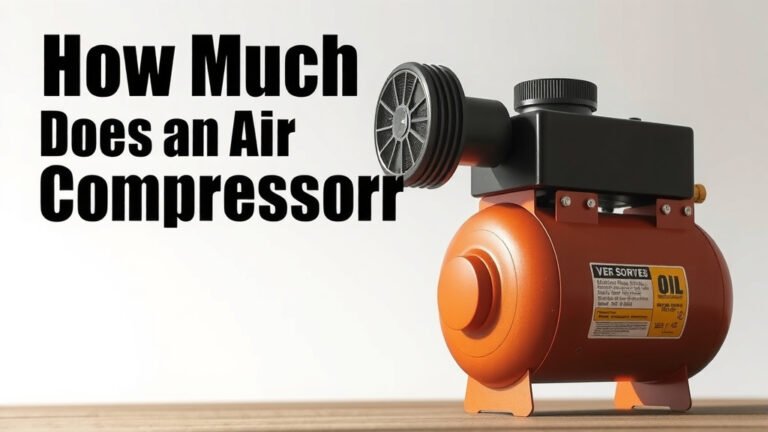
So, you’re wondering, “how much is a new air compressor?” You can expect to spend anywhere from $100 to over $1,000 for a new one. The price really depends on its size, power, and intended use. Don’t worry, we’ll help you find the right fit for your needs and budget.
We found that factors like tank size, horsepower, and whether it’s oil-lubricated or oil-free heavily influence the final cost. Whether you need a small portable unit for occasional DIY tasks or a larger, more powerful one for a professional shop, understanding these differences will save you time and money. Let’s look at the cost ranges you can anticipate.
- Small, portable compressors often start around $100.
- Medium-duty units for home garages can range from $200-$500.
- Large, industrial-grade compressors can cost $500 to well over $1,000.
- Features like quiet operation or oil-free designs can increase the price.
Below, we break down the different types of air compressors and what influences their price tags, so you can make an informed decision.
Understanding Air Compressor Costs: What to Expect
So, you’re looking to buy a new air compressor and the big question is, how much will it set you back? We’ve researched this for you, and the price tag can swing quite a bit. You’re generally looking at a range from around $100 for a basic model to well over $1,000 for a high-end unit. The exact cost hinges on a few key factors we’ll discuss below.
Breaking Down the Price: Key Cost Influencers
Several things make one air compressor cost more than another. Think of it like buying a car; a small economy car is different from a heavy-duty truck. We found that the tank size and horsepower are big players. Whether the compressor uses oil to lubricate its parts or is designed to run oil-free also impacts the price. Let’s dig into these specifics.
Tank Size Matters: Cubic Feet Per Minute (CFM) and Gallons
The capacity of the air compressor’s tank is a primary cost driver. A larger tank means it can store more compressed air. This is measured in gallons. For DIYers, a tank between 2 to 6 gallons might be plenty. If you’re using tools that require a constant air supply, like spray guns or impact wrenches, you’ll need a bigger tank, often 20 gallons or more. Bigger tanks mean higher costs, naturally. We found that units with tanks over 30 gallons typically start at a higher price point.
Horsepower (HP): The Muscle Behind the Air
Horsepower indicates the power of the compressor’s motor. More horsepower means the compressor can build pressure faster and maintain it more consistently. For light tasks, a 1-2 HP motor might suffice. If you plan on running demanding tools or for longer periods, you’ll want something with 3 HP or more. Higher HP units usually come with a correspondingly higher price tag. Many models are rated in continuous HP, which is the most accurate measure of their sustained power output.
Oil-Lubricated vs. Oil-Free: Which is Right for Your Wallet?
This is a common point of decision and cost difference. Oil-lubricated compressors generally tend to be quieter and last longer. They are often found in professional settings. However, they require regular maintenance, like oil changes. Oil-free compressors are typically less expensive upfront and require almost no maintenance. They are also lighter and more portable. The trade-off? They can be louder and may have a shorter lifespan. We found that for home use where noise isn’t a major issue and budget is a concern, oil-free models are a popular choice.
Cost Ranges by Air Compressor Type and Use
Air compressors aren’t one-size-fits-all. They’re built for different jobs. Understanding these categories will help you pinpoint what you need and what you should expect to pay. We’ve broken down the typical price ranges you’ll encounter.
Portable Compressors: For the Mobile DIYer
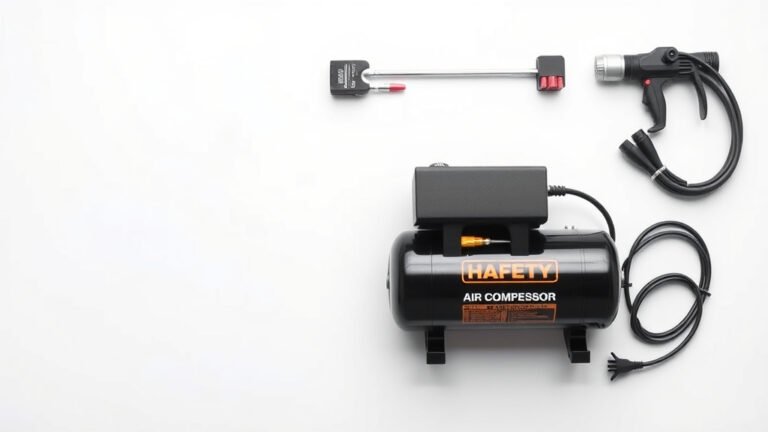
These are your small, lightweight units, often with a handle. Many are oil-free and have small tanks (under 2 gallons). They’re perfect for tasks like inflating tires, powering small brad nailers, or simple craft projects. You can find these starting around $100 to $250. They are incredibly convenient for on-the-go use around the house or in tight spaces.
Pancake and Hot Dog Compressors: Home Garage Staples
These are slightly larger than basic portable units. They usually have tanks in the 3 to 6-gallon range and are often still relatively portable, though a bit heavier. They can handle a wider range of DIY tasks, like using framing nailers, staplers, or air-powered ratchets for car maintenance. The cost here typically falls between $150 and $400. We found these to be a sweet spot for many homeowners tackling weekend projects.
Twin-Stack and Vertical Compressors: For the Serious Hobbyist
Stepping up, you’ll find compressors with larger tanks (around 10 to 30 gallons) and higher horsepower (2 to 3 HP). These are designed for more demanding applications, such as using grinders, sanders, or even small paint sprayers for extended periods. These units can range from $300 to $600. They offer a good balance of power and capacity for a dedicated home workshop.
Stationary and Industrial Compressors: For Professionals and Big Jobs
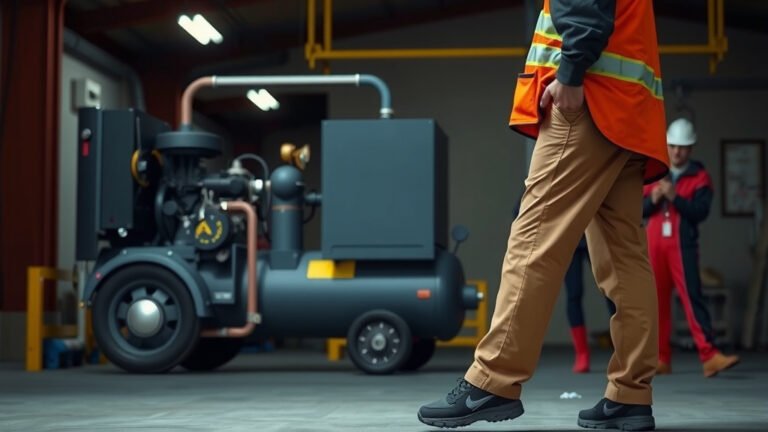
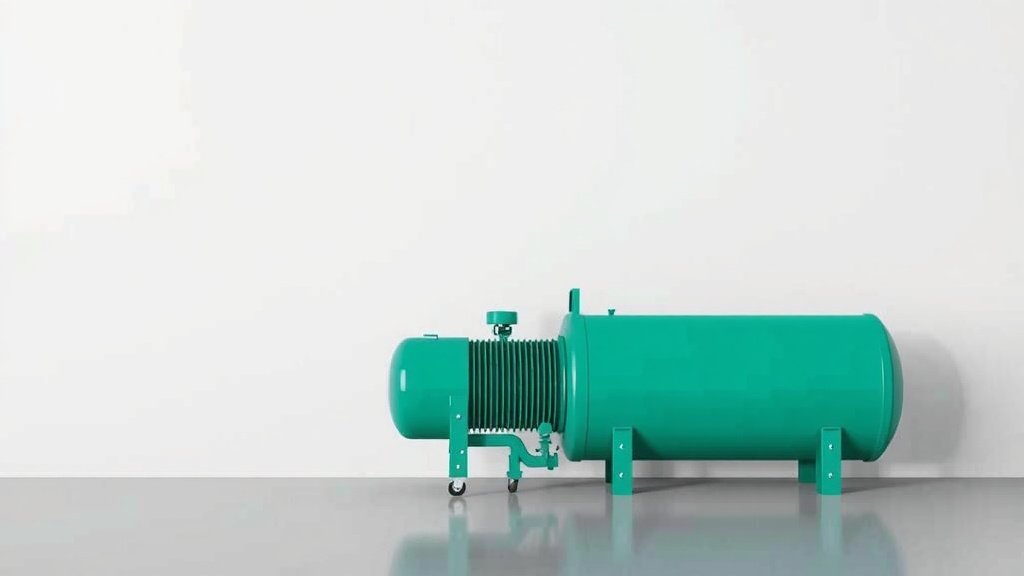
These are the big boys. They feature large tanks (30 gallons and up), high horsepower (3 HP+), and are built for continuous use. You’ll see these in professional auto shops, woodworking studios, or manufacturing facilities. They can be single-stage or two-stage (which compress air twice for higher pressure). The price for these starts around $500 and can easily go up to $1,500 or more, depending on the specifications. Two-stage units are generally more expensive but offer superior performance for heavy-duty work.
Additional Features That Can Affect the Price
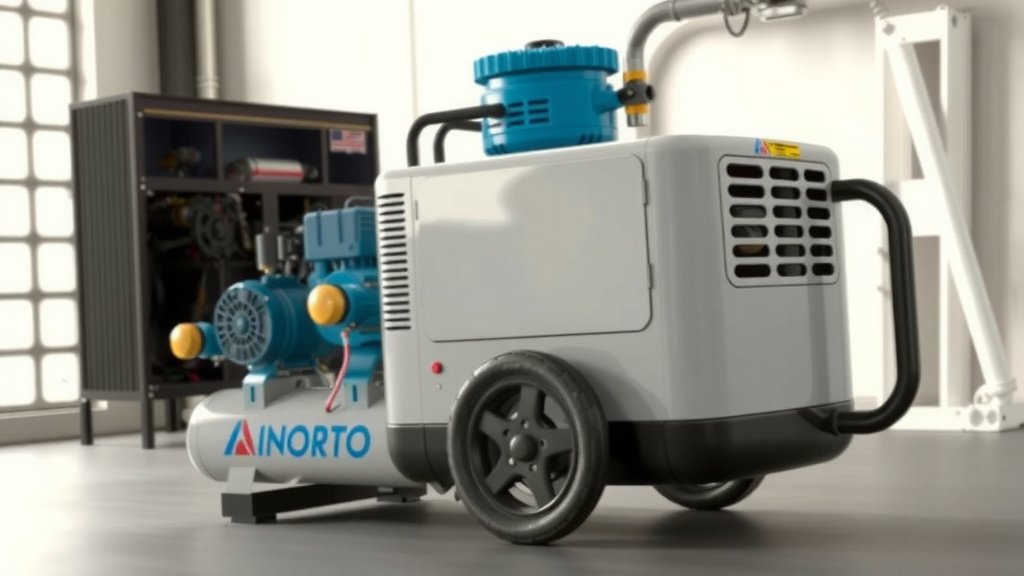
Beyond the core specs, other features can add to the overall cost. Think of these as the “bells and whistles” that enhance user experience or performance. We found that while these might increase the upfront cost, they can be worth it depending on your needs.
Quiet Operation: The Sound of Savings?
Standard air compressors can be quite noisy. If you’re working in a residential area, a shared garage, or just prefer a quieter environment, you might look for a “quiet” or “low-noise” model. These compressors often use improved motor designs, better mufflers, and acoustic insulation. This can add anywhere from $50 to $200 or more to the price. It’s a feature many users appreciate, especially if they’re working indoors or near neighbors.
Power Source: Electric vs. Gas
Most air compressors you’ll find for home or shop use are electric. They plug into a standard wall outlet (though larger ones might need 240V). Electric compressors are generally cleaner and easier to operate indoors. Gas-powered compressors are typically for heavy-duty, outdoor use where electricity isn’t readily available, like construction sites. They are usually more powerful but also more expensive, often starting at $500 and going up. Plus, you have to deal with fuel and exhaust fumes.
Portability Features: Wheels and Handles
While many compressors are designed to be moved, some have enhanced portability features. Think larger, rugged wheels for uneven terrain or clever handle designs for better balance. These might seem like minor additions, but they can add a bit to the final price, usually in the $20 to $50 range. It’s worth considering if you’ll be moving your compressor frequently across different areas.
Making Your Purchase Decision: A Quick Checklist
To help you navigate the options and choose the right air compressor for your budget and needs, consider this quick checklist. We found that going through these points before you shop can save you headaches and money later.
- What tools will you power? (Check their CFM and PSI requirements.)
- How often will you use it? (Occasional vs. daily use impacts durability needs.)
- Where will you use it? (Indoor vs. outdoor, noise considerations.)
- What’s your absolute maximum budget? (Be realistic about what your needs dictate.)
- Are special features like quiet operation essential? (Weigh the cost vs. benefit.)
- Do you need portability? (Consider weight and ease of transport.)
Conclusion
You now have a clearer picture of how much a new air compressor might cost. We found that prices range widely, from around $100 for a small portable unit to over $1,000 for professional-grade equipment. Remember, your needs dictate the price. Consider the tank size, horsepower, and whether an oil-free model suits your budget and maintenance preferences. By matching these factors to your intended use, you can confidently find an air compressor that fits both your tasks and your wallet. Your next step is to review your tool requirements and start comparing models within your identified price range.
Frequently Asked Questions
What is the cheapest type of air compressor I can buy?
The most budget-friendly air compressors are typically small, portable, oil-free units. You can often find these starting around $100. They are great for very light tasks like inflating tires or powering small brad nailers.
Is it worth paying more for an oil-lubricated air compressor?
Oil-lubricated compressors often last longer and run quieter than their oil-free counterparts. If you plan on heavy, frequent use or are sensitive to noise, the higher upfront cost can be a worthwhile investment for durability and a better working environment.
How much does a quiet air compressor typically cost extra?
Compressors designed for quiet operation usually add an extra $50 to $200 or more to the price. This cost reflects the specialized design and materials used to reduce noise, making them ideal for residential areas or indoor use.
Can I find a decent air compressor for around $300-$500?
Yes, this price range generally covers good quality twin-stack or vertical compressors with tanks between 10 to 30 gallons and 2-3 HP. These are excellent for serious hobbyists and can handle more demanding DIY projects and tools.
Are gas-powered air compressors significantly more expensive than electric ones?
Gas-powered compressors are generally more expensive, often starting around $500 and going up. Their higher cost reflects their powerful nature and suitability for heavy-duty, outdoor use where electricity isn’t available, unlike most electric models.