Connect Air Compressor to Car Battery: Easy Guide
Yes, you can absolutely hook up an air compressor to your car battery to inflate your tires. This is a lifesaving trick for emergencies. It uses your car’s electrical system to power a portable inflator, making it a convenient solution when you’re on the go.
Many portable air compressors are designed specifically for this purpose. They come with a long cord that plugs right into your car’s 12-volt outlet, often called a cigarette lighter socket. We found that this method is quite common and works well for topping up tire pressure or inflating a slightly low tire.
- Use a 12V portable air compressor.
- Plug the compressor into your car’s cigarette lighter socket.
- Ensure the car’s engine is running for sufficient power.
- Attach the compressor hose securely to your tire valve.
Let’s walk through exactly how to connect your air compressor to your car battery step by step so you can get your tires back to the right pressure safely.
Powering Up Your Air Compressor with Your Car Battery
You’re probably wondering if you can really use your car’s battery to run that portable air compressor. The simple answer is yes, you absolutely can! It’s a fantastic way to handle a low tire situation, especially when you’re far from a gas station or service center. We’ve found this method to be incredibly reliable for roadside emergencies.
Most portable air compressors designed for vehicles are made to plug directly into your car’s 12-volt power outlet. This outlet is commonly known as the cigarette lighter socket. It’s a straightforward process, much like plugging in your phone charger. You just need to make sure you have the right type of compressor.
Understanding Your Air Compressor Options
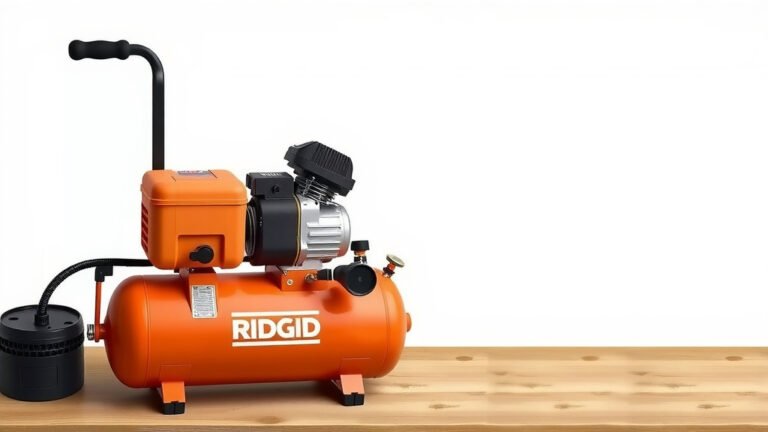
There are a few types of air compressors out there, but for using with your car, you’ll want a 12-volt DC model. These are specifically built to run off your vehicle’s electrical system. They typically have a long power cord with a plug that fits your car’s accessory port.
We’ve seen many different models, and they vary in power and features. Some are quite basic, just for topping up tires. Others are more robust, capable of inflating larger items like air mattresses or sports equipment. For tire inflation, a compact, portable unit is usually all you need. It’s like having a mini gas station in your trunk!
Ensuring Your Car’s Battery is Ready
When you use your air compressor, it draws power from your car’s battery. To ensure you don’t drain your battery and get stranded, it’s crucial to have your engine running. This is a common recommendation from automotive experts and something we always advise.
Think of your car’s engine like a generator. While the engine is running, the alternator is active. The alternator recharges the battery and also provides the necessary power for accessories like your air compressor. Running the engine prevents the compressor from depleting your battery’s charge. It’s a smart way to ensure you have enough juice.
Step-by-Step: Connecting Your Compressor
1. Locate Your Car’s 12-Volt Outlet
First things first, find that 12-volt accessory socket. Most cars have at least one. They are typically located on the dashboard, in the center console, or sometimes in the back seat area. Consult your car’s manual if you’re having trouble locating it. It’s usually a round socket with a small cap.
2. Connect the Air Compressor Plug
Once you’ve found the outlet, simply plug in your air compressor’s power cord. Make sure it’s pushed in firmly to ensure a good electrical connection. If it feels loose, try wiggling it slightly or checking the plug for any debris.
3. Start Your Car’s Engine
As we discussed, this is a key step. Turn your car’s ignition to the “on” position, and then start the engine. Let it run for a minute or two to stabilize. You don’t need to drive anywhere; just having the engine idling is sufficient. This provides a steady power supply.
4. Attach the Compressor Hose to the Tire
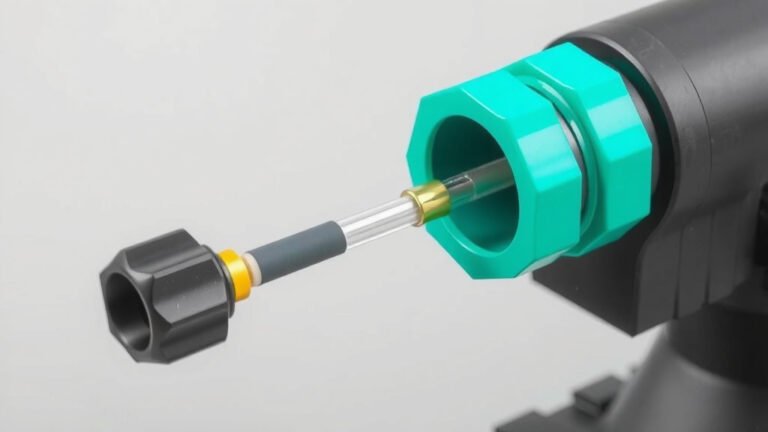
Now, take the air hose from your compressor. You’ll need to unscrew the valve cap from your car’s tire. Then, firmly attach the compressor hose’s connector to the tire’s valve stem. Most compressors have a lever or a screw-on mechanism for a secure fit. You should hear a slight hiss of air if it’s not perfectly sealed, so ensure it’s tight and secure.
5. Inflate and Monitor
Turn on your air compressor. You should see the pressure gauge start to rise. Many compressors have a built-in auto-shutoff feature when a certain pressure is reached, which is super handy. If yours doesn’t, keep an eye on the gauge and your tire’s recommended pressure. You can usually find the recommended tire pressure on a sticker inside the driver’s side doorjamb or in your owner’s manual. Over-inflating can be just as problematic as under-inflating. Remember, a little bit of air goes a long way!
What If Your Compressor Doesn’t Have a Cigarette Lighter Plug?
Sometimes, you might have an air compressor that doesn’t use the 12-volt socket. Maybe it has clamps meant for directly connecting to your car’s battery terminals. While this is also a viable option, it requires a bit more caution. You’ll be working directly with the battery posts.
If your compressor comes with battery clamps (usually red for positive and black for negative), here’s what you need to know. Firstly, ensure your engine is running. Then, connect the red clamp to the positive (+) terminal of your car battery. Next, connect the black clamp to a metal, unpainted part of your car’s chassis. This acts as a ground. Never connect the black clamp directly to the negative (-) terminal if possible, as this can create sparks near the battery, which can release flammable hydrogen gas. Safety first!
Important Safety Considerations and Tips
We can’t stress safety enough. Always consult your air compressor’s manual for specific instructions. Different models have different requirements.
Here’s a quick checklist to keep in mind:
- Check your tire pressure: Know your car’s recommended PSI.
- Engine Running: Always have your car’s engine on.
- Secure Connection: Ensure the compressor hose is tightly attached.
- Don’t Over-Inflate: Monitor the pressure gauge closely.
- Give Your Compressor a Break: Many portable compressors can overheat if run continuously for too long. Check the manual for its duty cycle.
- Keep it Clean: Make sure the 12V outlet and the compressor plug are free of dirt and debris.
Troubleshooting Common Issues
What if it’s not working? Don’t panic! Most problems are easily fixed. Sometimes, the 12-volt outlet in your car might be fused separately. Check your car’s fuse box for any blown fuses related to the accessory outlet. Many vehicles have a spare fuse available.
If the compressor seems to be running but not inflating, double-check the connection to the tire valve. Is it properly seated? Are you hearing a leak? A loose connection is the most common culprit. Sometimes, a small amount of dirt in the valve stem can prevent a good seal. A quick press on the valve core might release a tiny puff of air and clear it.
When to Use Your Car Battery Powered Air Compressor
This method is a fantastic backup for everyday situations. Low tire pressure can affect your car’s handling, fuel efficiency, and tire wear. Keeping your tires properly inflated is essential for safe driving. For instance, under-inflated tires can reduce your gas mileage, as much as 3% according to the Department of Energy.
It’s perfect for those times you notice a slight drop in pressure, or after hitting a nail or screw that causes a slow leak. It can often get you to a repair shop without further damage to your tire or wheel rim. We’ve found it particularly useful for maintaining that perfect tire pressure needed for optimal performance and safety.
Conclusion
You’ve learned that hooking up a portable air compressor to your car’s battery is a straightforward and incredibly useful skill. It’s your go-to solution for maintaining proper tire pressure, ensuring safer driving and better gas mileage. Remember to always run your engine to provide sufficient power and prevent battery drain. Double-check connections and monitor the pressure gauge to avoid over-inflation. With this knowledge, you’re ready to tackle low tire situations confidently. Your next step? Locate your car’s 12-volt outlet and the air compressor in your trunk so you’re prepared when you need it most.
Frequently Asked Questions
Can I use my air compressor if my car battery is completely dead?
No, you should not use your air compressor if your car battery is completely dead. Your car’s engine needs to be running to provide the necessary power through the alternator. Trying to run the compressor on a dead battery could further damage it or leave you stranded.
How long can I run my air compressor from my car battery?
The run time depends on your car’s battery health and your compressor’s power draw. We recommend running your engine while the compressor is in use. Most portable compressors also have a “duty cycle” noted in their manual; avoid exceeding this to prevent overheating.
What happens if I don’t run my car’s engine?
If you don’t run your car’s engine, your air compressor will draw power directly from the battery. This can quickly drain your battery, potentially leaving you unable to start your car. The alternator, which recharges the battery, only works when the engine is running.
Is it safe to connect an air compressor directly to the battery terminals?
Yes, if your compressor has battery clamps, it’s generally safe if done correctly. Always connect the red clamp to the positive (+) terminal and the black clamp to a clean, unpainted metal part of the chassis (ground), not the negative (-) terminal, to avoid sparks near the battery.
My air compressor plug won’t fit my car’s 12V outlet. What should I do?
This usually means your compressor isn’t designed for a standard 12V cigarette lighter socket. You might need an adapter, or your compressor might be intended for direct battery terminal connection using clamps. Always check your compressor’s manual to confirm its power source requirements.