Inflate Exercise Ball With Air Compressor: A Quick Guide
Yes, you can absolutely use an air compressor to inflate your exercise ball, but you need to be careful. Using the wrong adapter or too much pressure can cause your ball to burst. We’ve found the key is using the right nozzle and monitoring the inflation closely.
Inflating your exercise ball doesn’t have to be a workout in itself. While a foot pump works, an air compressor can make the process much faster. Just be sure you have the correct attachment and avoid over-inflating, which can damage the ball’s integrity.
- Use a compressor with the correct adapter.
- Don’t force the air in too quickly.
- Watch the ball’s size as it inflates.
- Stop when it’s firm but still has some give.
- It’s better to under-inflate slightly than over-inflate.
Let’s walk through exactly how to use your air compressor safely and effectively to get your exercise ball ready for action.
Using an Air Compressor for Your Exercise Ball
You’re probably wondering if you can use that powerful air compressor you have sitting in the garage to inflate your exercise ball. The short answer is yes, but with some important precautions. We’ve found that while it’s much faster than manual inflation, you need the right approach to avoid damaging your ball or, worse, causing it to burst.
Understanding the Risks and Rewards
An air compressor can get the job done in seconds, which is a huge plus when you’re eager to start your workout. However, compressors can also deliver air at a much higher pressure than your ball is designed for. This is where the danger lies. Think of your exercise ball like a balloon; too much air too quickly, and it can pop!
What You’ll Need for Safe Inflation
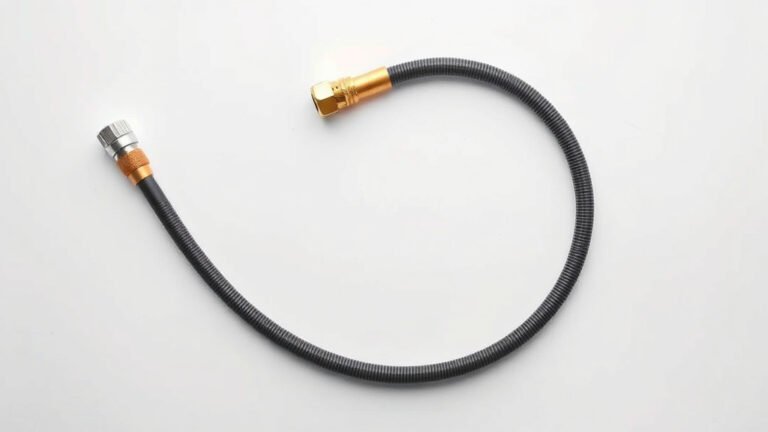
Before you hook up your compressor, gather a few key items. You’ll need your exercise ball, of course, and your air compressor. The most critical piece is the correct adapter. Many compressors come with various nozzle attachments. You’re looking for one that fits snugly into the ball’s inflation valve without being too loose or too tight.
Choosing the Right Adapter
We found that most exercise balls use a standard valve that resembles a tire valve. Therefore, a needle adapter or a specific ball inflation adapter is usually what you need. It’s essential to ensure the adapter creates a good seal. If it’s loose, air will escape, making inflation difficult. If it’s too large, you might damage the valve itself.
Checking Your Compressor Settings
Some air compressors have adjustable pressure settings. If yours does, set it to the lowest possible pressure. The goal isn’t to blast air into the ball but to gently fill it. You’ll be controlling the inflation by how long you run the compressor and by watching the ball’s expansion.
Step-by-Step Inflation Process
Let’s get your exercise ball ready to go. Following these steps will help ensure you inflate it correctly and safely, saving you time and preventing a potential mess.
Preparing the Ball and Compressor
First, find the inflation valve on your exercise ball. It’s usually a small, rubbery flap. Ensure it’s clean and free of any debris. Next, attach your chosen adapter to the air compressor hose. Make sure the connection is secure. If you’re using a compressor with a pressure gauge, it’s helpful to watch it, but your eyes on the ball are the primary tool here.
Connecting the Adapter to the Ball
Gently insert the adapter into the ball’s inflation valve. You don’t want to force it. It should fit snugly. If you feel resistance, don’t push harder; re-check your adapter choice. A secure, but not strained, connection is key. This connection prevents air from escaping prematurely and allows you to control the flow.
Controlled Inflation Technique
Now for the main event! Instead of holding the trigger down continuously, we recommend a pulsed inflation method. Briefly engage the compressor for just a few seconds at a time. After each burst of air, remove the compressor and check the ball’s firmness. This allows you to gauge its expansion and stop before it gets too firm.
As the ball starts to take shape, you’ll notice it becoming firmer. You want it to be firm enough to support your weight without feeling rock-hard. Many experts suggest the ball should still have a slight give when you press it with your hands. This is often referred to as the “squish test.”
Monitoring Firmness and Size
Keep a close eye on the ball. It will expand gradually. If you’re using a compressor with a gauge, a pressure of around 1 PSI is often sufficient for most exercise balls. However, most people don’t have access to such precise gauges for exercise balls. Your best bet is to feel the ball. Research and guidelines often suggest stopping when the ball is firm but you can still indent it slightly with your fingers (Mayo Clinic).
Knowing When to Stop
The point of no return is when the ball feels taut and shows no give. If it looks like a perfectly round, rigid sphere, you’ve likely over-inflated it. Over-inflation can stress the seams and potentially lead to a rupture. It’s always better to err on the side of slightly under-inflating and adding more air later if needed.
Troubleshooting Common Issues
What if the air isn’t going in, or the ball seems to be losing air? These are common hiccups. Often, it’s a simple fix related to the connection. Check if the adapter is seated properly. Is there a small leak around the valve? Sometimes, wiggling the adapter slightly can improve the seal. If you suspect a faulty valve on the ball itself, you might need to contact the manufacturer.
Post-Inflation Checklist
Once you think your ball is ready, take a moment to do a final check. This quick checklist ensures you’ve done everything right:
- Is the adapter removed cleanly?
- Does the valve cap fit securely?
- Does the ball feel firm but have a slight give?
- Is it evenly rounded and not bulging in spots?
- Have you avoided over-inflation?
By following these steps, you can confidently use your air compressor to inflate your exercise ball. Remember, a little caution goes a long way in ensuring your ball is safe and ready for your next workout session.
Conclusion
You’ve learned that using an air compressor to inflate your exercise ball is a quick method. The key is safety and control. Always use the correct adapter and avoid blasting air too quickly. By employing a pulsed inflation technique and constantly checking the ball’s firmness, you can achieve the perfect level of inflation. Remember, a ball that’s firm but still has a slight give is ideal. Now you’re ready to get your exercise ball inflated properly and safely for your next workout!
Frequently Asked Questions
What type of adapter do I need for my air compressor?
You’ll generally need a needle adapter or a specific ball inflation tip. This type of adapter fits into most exercise ball valves, similar to a sports ball needle. Ensure it creates a snug fit without damaging the valve.
Can I just use the standard nozzle that comes with my air compressor?
It’s unlikely. Standard air compressor nozzles are usually too large for the delicate inflation valve on an exercise ball. Using the wrong nozzle can easily damage the valve or over-inflate the ball too rapidly, leading to a burst.
How do I know if I’ve over-inflated the ball?
An over-inflated ball will feel rock-hard with no give when you press it. It might also look like a perfectly rigid sphere, losing its natural elasticity. If it feels like it might pop, it’s definitely too firm.
What’s the safest pressure to inflate an exercise ball with a compressor?
Exercise balls typically require very low pressure, often around 1 PSI. Since most compressors don’t have precise gauges for such low settings, your best bet is to rely on feel. Avoid high pressure and use short bursts of air instead.
My ball isn’t inflating properly. What could be wrong?
This often points to a poor connection. Check that the adapter is firmly seated in the ball’s valve and that there are no leaks around it. Sometimes, gently wiggling the adapter can improve the seal. Ensure the compressor is functioning correctly as well.