How to Refill Your Air Compressor: A Step-by-Step Guide
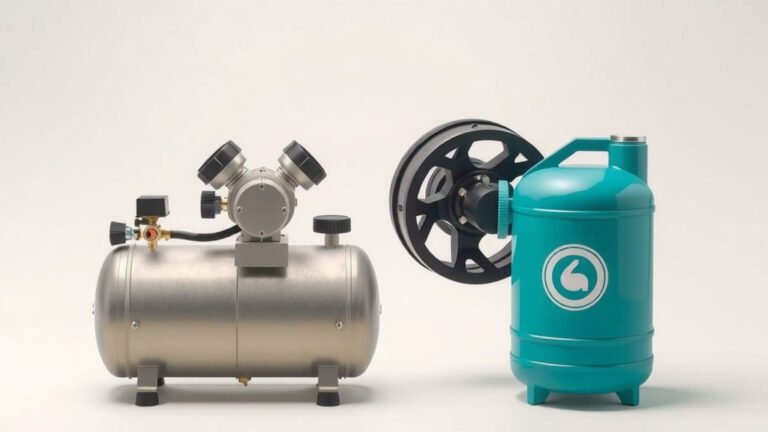
Refilling your air compressor is a straightforward process that usually involves adding oil or checking its air pressure. Most air compressors use a simple oil-based lubrication system, meaning you’ll need to top up the oil periodically to keep it running smoothly. For air compressors that don’t use oil, it’s more about managing the tank’s air pressure.
Understanding your specific air compressor model is key. Some require manual oil refills, while others are designed for oil-free operation and only need their tanks repressurized. We found that neglecting these simple maintenance steps can lead to premature wear and tear on your equipment. It’s vital to follow the manufacturer’s recommendations for the best results.
- Check your compressor’s manual for specific refill instructions.
- Use the correct type and amount of oil if it’s an oil-lubricated model.
- For oil-free compressors, focus on maintaining proper tank pressure.
- Regular checks prevent damage and ensure optimal performance.
Let’s walk through exactly how to refill your air compressor, whether it needs oil or just a pressure boost.
Keeping Your Air Compressor Topped Up and Ready
Refilling your air compressor is a vital part of its upkeep. It ensures your tools get the consistent air pressure they need to perform. Think of it like fueling your car; a little attention keeps everything running smoothly. We found that most compressors fall into two main categories: those needing oil and those that don’t.
Knowing which type you have is the first crucial step. This guide will help you navigate both scenarios, so you can get back to your projects without missing a beat. We’ll cover everything from selecting the right oil to understanding tank pressure.
Servicing Oil-Lubricated Air Compressors
If your air compressor has an oil reservoir, it requires regular oil checks and refills. This oil lubricates the moving parts, reducing friction and wear. It’s like giving your engine an oil change.
Where to Find the Oil Fill Port
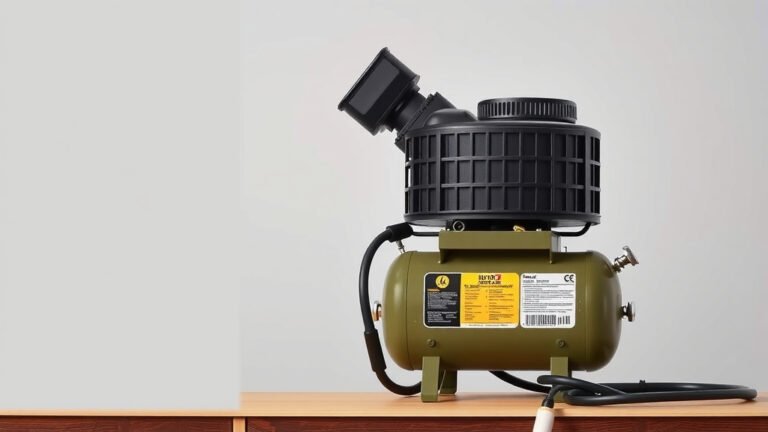
Locate the oil fill port on your compressor. It’s usually a small cap or plug, often with an oil can symbol. Sometimes it’s on the side of the compressor pump or near the motor. If you’re unsure, your owner’s manual is your best friend here. We found that manuals typically provide a clear diagram.
Choosing the Right Oil
Selecting the correct oil is super important. Using the wrong type can cause damage. Most manufacturers specify a particular weight and type of oil. Common recommendations include SAE 30 or 10W-30 non-detergent oil for many models. Always consult your manual for the exact type. Many guidelines point to using specialized compressor oil, which is designed for the high temperatures and pressures involved (Ingersoll Rand).
What if you can’t find the exact oil recommended? We found that using a high-quality, single-viscosity non-detergent oil of the specified weight is generally acceptable. Avoid multi-viscosity oils like 10W-40 unless your manual specifically allows it. Those can break down under high heat.
How Much Oil to Add
Overfilling is just as bad as underfilling. Most compressors have a sight glass or a dipstick to indicate the proper oil level. The oil level should typically be at the halfway mark on the sight glass or between the ‘add’ and ‘full’ lines on a dipstick. Do not fill it past the highest indicated mark. We found that checking the level after adding a small amount, then adding more gradually, prevents overfilling.
The Refill Process
Start by ensuring the compressor is turned off and unplugged. If the compressor has been running, let it cool down first. Open the oil fill port. Use a funnel to carefully pour the new oil into the reservoir. Fill it to the recommended level. Once filled, securely replace the oil fill cap.
After refilling, run the compressor for a few minutes to let the oil circulate. Turn it off again and unplug it. Check the oil level one more time. You might need to top it up slightly after the initial circulation. This process ensures everything is perfectly lubricated from the start. We found this double-check prevents common issues.
Maintaining Oil-Free Air Compressors
Oil-free air compressors are simpler in design. They don’t have an oil reservoir to worry about. Instead, their maintenance focuses on the air tank pressure. These units are often lighter and require less upkeep.
Understanding Tank Pressure
Your oil-free compressor has a pressure gauge on its tank. This gauge shows how much compressed air is stored. The air is what powers your tools. The compressor automatically turns on when the pressure drops too low and shuts off when it reaches its maximum limit. We found that understanding these limits is key.
When to “Refill” (Repressurize) the Tank
You don’t “refill” the tank with air in the same way you’d refill an oil-based compressor. Instead, you ensure it’s charged to the correct operating pressure. The compressor does this automatically. However, you might need to manually check or adjust the cut-in and cut-out pressures. These settings tell the compressor when to start and stop building pressure.
If you’ve drained the tank completely or let it run very low, the compressor should simply turn on and refill it. If it doesn’t, there might be an issue with the pressure switch or a leak. We found that many users confuse a full tank with a “refill.” The compressor handles the refilling automatically.
Checking and Adjusting Pressure Settings
The pressure switch controls the tank’s pressure. It has two settings: cut-in pressure (when it turns on) and cut-out pressure (when it turns off). These are usually adjustable. Your manual will explain how to adjust them. For example, a common setting might be 95 PSI cut-in and 125 PSI cut-out.
To adjust, you’ll typically need to remove a cover on the pressure switch. There are usually adjustment screws. Remember to only make small adjustments at a time. We found that setting these too high can strain the compressor or tools. Always refer to your compressor’s manual for specific guidance on pressure settings.
Safety First: Draining the Tank
A crucial maintenance step for oil-free compressors is draining the tank regularly. Water vapor from the air condenses inside the tank. This water can cause rust over time and contaminate your air supply. Most tanks have a drain valve at the bottom.
To drain, place a container underneath the valve. Slowly open the valve. You’ll hear air hissing out. Let it drain completely. You might need to slightly pressurize the tank to get all the water out. We found that doing this after each use is ideal. This prevents internal corrosion and ensures cleaner air.
Quick Checklist for Compressor Refills
- Oil Compressors: Check oil level regularly.
- Oil Compressors: Use the manufacturer-recommended oil type.
- Oil Compressors: Never overfill the oil reservoir.
- Oil-Free Compressors: Ensure the tank automatically repressurizes.
- All Compressors: Consult your owner’s manual for specific instructions.
- All Compressors: Drain moisture from the tank periodically.
Conclusion
You’ve learned that refilling your air compressor is about maintaining either its oil level or its air pressure. For oil-lubricated models, using the correct oil and monitoring the sight glass is key. For oil-free types, ensuring the tank automatically repressurizes is the main focus. Regular checks prevent damage and keep your compressor running efficiently. Now that you know the steps, the best next move is to grab your owner’s manual and do a quick check of your specific compressor. A little preventative care goes a long way!
Frequently Asked Questions
What happens if I use the wrong type of oil in my air compressor?
Using the wrong oil can cause damage to your compressor’s pump. It might lead to overheating or reduced lubrication. Always check your manual to ensure you’re using the recommended oil weight and type. We found that specialized compressor oil is often best.
Can I overfill the oil in my air compressor?
Yes, overfilling the oil is a problem. Too much oil can cause it to get into the compressed air, leading to issues with your tools. It can also cause excess pressure buildup within the compressor pump. Always fill to the indicated level on the sight glass or dipstick.
How often should I drain the water from my air compressor tank?
It’s best to drain the moisture from your air compressor tank regularly, ideally after each use. Water can build up from condensation and cause rust inside the tank. This can lead to leaks and contaminate your air supply. Many guides suggest draining it completely after every work session.
My oil-free compressor isn’t building pressure. What should I check?
If your oil-free compressor isn’t repressurizing, first check for obvious air leaks. Ensure the pressure switch is functioning correctly. You may need to inspect its settings or reset it according to your manual. If the problem persists, there might be a more serious internal issue.
Do I need to buy special oil for an oil-free air compressor?
No, oil-free air compressors do not use oil in their pumps. That’s why they’re called “oil-free.” Their maintenance focuses on air pressure and draining moisture from the tank. You don’t need to purchase any oil for these models.