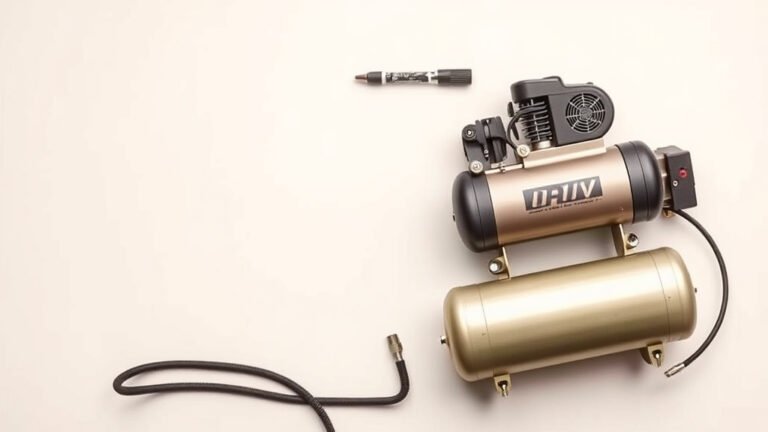
How to Remove an Air Compressor Safely and Easily
Removing an air compressor can seem daunting, but it’s a manageable task with the right steps. The core of the process involves disconnecting power, draining residual air and oil, and then safely moving the unit. Don’t let its size intimidate you; proper preparation makes it much easier.
Whether you’re replacing an old unit or clearing out space, knowing how to remove an air compressor properly is key. This process ensures you avoid accidental damage to your home or the compressor itself. We’ve researched the most effective methods for a smooth and safe removal.
- Turn off the power supply completely.
- Release all remaining air pressure from the tank.
- Drain any oil or lubricant safely.
- Securely disconnect hoses and electrical lines.
- Plan your moving route carefully.
Ready to get that compressor out of your way? Let’s walk through exactly how to do it, step by step, so you can move forward with confidence.
Getting Your Air Compressor Moved Safely
Ready to say goodbye to your trusty air compressor? We’ve all been there. Maybe you’re upgrading to a bigger, badder model, or perhaps it’s time to clear out some space in your garage. Whatever the reason, you want to get it out of there without a hitch. This guide will walk you through the essential steps to remove an air compressor safely and efficiently.
Preparing Your Air Compressor for Removal
Before you even think about unplugging or unbolting, there are a few critical preparation steps you need to take. Think of it like getting a patient ready for surgery – you need to make sure everything is stable and safe. We found that skipping these initial checks can lead to messy surprises or even injury.
Disconnecting the Power Source
This is non-negotiable, folks. You absolutely must cut the power supply before doing anything else. If your compressor is plugged into a standard outlet, simply unplug it. For hardwired units, you’ll need to locate the circuit breaker that controls the compressor and switch it off. If you’re unsure which breaker it is, it’s often safer to turn off the main breaker for your entire house. Many sources, including electrical safety guidelines, stress that working with electrical equipment while it’s still powered is extremely dangerous.
Releasing Stored Air Pressure
Air compressors store air under pressure. Think of that tank like a soda bottle that’s been shaken vigorously. If you try to move it with pressure still inside, it can be a safety hazard. You’ll want to release all that stored air. Most compressors have a drain valve, usually at the bottom of the tank. Slowly open this valve. You’ll hear the air hissing out. Let it all escape until you hear nothing more coming out. This process can take a few minutes, so be patient.
We also found that some larger or older units might have a safety relief valve. If you can’t get the tank fully depressurized with the drain valve, you might need to manually activate the relief valve. Just be aware that this can release air more forcefully.
Draining Oil and Lubricants
If your air compressor is a type that uses oil (most larger stationary models do), you’ll need to drain the oil. This prevents spills during the move. Locate the oil drain plug, typically on the side or bottom of the compressor pump. Place a suitable container underneath to catch the old oil. For smaller, portable compressors that might be oil-free, you can skip this step. We recommend checking your owner’s manual if you’re unsure about your specific model’s lubrication system.
Proper disposal of used oil is important. Many auto parts stores or local recycling centers accept used motor oil. Don’t just pour it down the drain; that’s bad for the environment. Many environmental agencies highlight the importance of responsible disposal of hazardous waste.
Detaching Connected Components
Now that the compressor is powered down and depressurized, it’s time to disconnect any hoses or lines attached to it. This might include air hoses, water drain hoses, or even exhaust vents on gas-powered models. Simply unscrew or unclamp these connections. Keep any fittings or adapters you might need later.
If the compressor is plumbed into a permanent air line system, you’ll need to disconnect that main line as well. This might involve using a pipe wrench or specialized fittings. For these more complex setups, it’s wise to consult the manufacturer’s guidelines or even get help from a qualified technician if you’re not comfortable.
Moving Your Air Compressor
Okay, the preparation is done! Now comes the actual moving part. Air compressors can be surprisingly heavy, especially the larger ones. You don’t want to hurt yourself or damage your floors.
Assess the Weight and Size
Get a feel for how heavy the unit is. If it’s a small portable model, you might be able to manage it yourself with a dolly. For bigger, stationary units, you’ll almost certainly need help from another person or even multiple people. We found that underestimating the weight is a common mistake people make.
Gather Your Moving Equipment
Having the right tools makes a huge difference. A sturdy appliance dolly or hand truck is your best friend for moving heavy compressors. Make sure it has straps to secure the unit. If you have a very large or heavy unit, consider renting a pallet jack or a furniture dolly. Don’t forget gloves for a better grip and to protect your hands.
Plan Your Exit Route
Before you lift a finger, map out your route from where the compressor is now to where it needs to go. Are there stairs? Tight corners? Narrow doorways? Measure doorways and hallways if necessary. Clear the path of any obstacles. This planning step can save you a lot of frustration and potential damage to your walls or the compressor itself. Many moving guides suggest a dry run of the path without the item to ensure it’s clear.
Lifting and Transporting Safely
When it’s time to move, use proper lifting techniques. Bend your knees, keep your back straight, and let your legs do the work. If using a dolly, carefully tilt the compressor onto the dolly and secure it tightly with straps. Roll it slowly and steadily. If you have help, make sure you and your helper communicate clearly. One person should be in charge of giving directions.
For larger compressors, you might need to secure them to a vehicle for transport. Use heavy-duty ratchet straps to tie it down securely. Ensure it won’t shift or slide during transit. Many automotive safety resources recommend using at least two straps for heavy items.
Checklist for Smooth Removal
- Confirm power is OFF at the breaker.
- Completely drain all air from the tank.
- Drain any motor oil into a suitable container.
- Disconnect all air hoses and electrical cords.
- Gather your dolly, straps, and protective gear.
- Plan and clear your moving path.
Conclusion
You’ve got this! Removing your air compressor is totally doable when you follow these safety steps. Remember to always disconnect power first, then release all pressure and drain fluids. Planning your move with the right equipment and help is key to avoiding strains or damage. You’re now ready to move your compressor safely and efficiently, whether it’s to a new spot in your workshop or for disposal. Go ahead and tackle that removal with confidence!
Frequently Asked Questions
Can I move an air compressor while it still has pressure?
No, you absolutely should not. Moving a pressurized tank is extremely dangerous. We’ve found that releasing all air pressure through the drain valve is a critical safety step before any transport. Failure to do so could lead to an explosion or injury.
How do I know if my air compressor needs oil drained?
Most larger, stationary air compressors require oil. Portable or smaller units are often oil-free. We recommend checking your owner’s manual for specifics. If it has an oil fill cap or dipstick, you likely need to drain the oil.
What if my air compressor is hardwired?
If your compressor is hardwired, you’ll need to locate and switch off the correct circuit breaker. If you’re not certain which breaker controls it, it’s safest to turn off the main power to your home. Always confirm the power is off before touching any wires.
Do I need help to move an air compressor?
For most air compressors, especially stationary models, yes. We’ve learned that they are often much heavier than they look. Getting a helper or using an appliance dolly or hand truck is highly recommended to prevent injury and property damage.
What’s the best way to transport an air compressor in a truck?
When transporting, secure the compressor tightly using heavy-duty ratchet straps. Make sure it’s placed on a stable surface in your truck bed and won’t shift during transit. We found that using at least two straps provides the best security.