Philips Air Purifier: Your Ultimate Setup Guide
Using your Philips air purifier is quite simple, even for a first-time user. You’ll want to place it correctly and set the fan speed. Most models automatically adjust based on air quality. Just plug it in and let it do its work cleaning your air.
Philips air purifiers are designed for easy operation. They often come with smart features like sleep mode and auto-mode. Research suggests that proper placement and regular filter checks are key to maximizing its effectiveness. You’ll notice cleaner air and potentially fewer allergens circulating.
- Place purifier away from walls.
- Choose the right fan speed for your room.
- Understand auto mode for hands-off cleaning.
- Know when to check or replace your filter.
- Enjoy healthier air in your home.
Ready to breathe easier? Let’s walk through the simple steps to get your Philips air purifier up and running perfectly.
“`htmlGetting Your Philips Air Purifier Set Up for Success
So, you’ve got your new Philips air purifier. That’s fantastic! Getting it set up correctly is the first step to cleaner air. It’s really not complicated at all. We’ll guide you through the simple steps to make sure your purifier works its best for you and your family. Our guide to setting up an air purifier provides all the steps for achieving cleaner air.
Finding the Perfect Spot
Placement matters more than you might think. Where you put your air purifier can really impact how well it cleans your air. Think of it like giving your purifier the best chance to do its job.
Room to Breathe: Clearance is Key
You’ll want to give your Philips air purifier some space. Aim for at least a foot of clearance on all sides. This means keeping it away from walls and furniture. Your purifier needs to be able to draw air in freely from all directions. Research from organizations like the EPA suggests good airflow is essential for particle capture.
If you block its vents, it’s like trying to breathe through a pillow. The purifier will struggle to pull air in. This means it won’t filter as effectively. Place it in an open area where air can circulate around it. This allows it to capture more pollutants.
Central Location for Maximum Impact
For the best results, try to place your purifier in a central location. A busy living area or a bedroom where you spend a lot of time is ideal. This ensures it’s cleaning the air in the rooms where you need it most. Think about where the air tends to get the most stuffy or dusty.
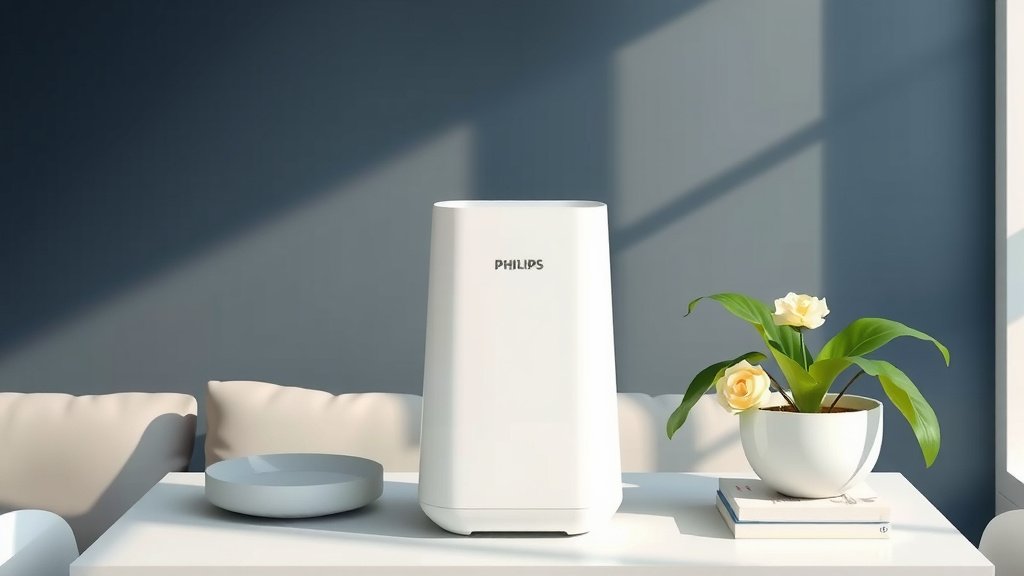
Many users find placing it on a table or shelf works well. This elevates it slightly. It allows for better air intake and distribution. Just be sure it’s stable and won’t be easily knocked over.
Understanding Your Purifier’s Controls
Philips air purifiers are known for being user-friendly. Most models have intuitive controls. You won’t need a degree in engineering to operate yours.
Basic Operation: Power On and Go
Once plugged in, most Philips purifiers are ready to go. You’ll usually see a power button. Press it, and your purifier will start. Many models will default to a medium fan speed. This is a good starting point for general air cleaning.
You might notice some lights or a display showing the current air quality. This is your purifier telling you what it senses. It’s a helpful way to see how hard it’s working.
Selecting the Right Fan Speed
Your Philips air purifier likely has several fan speed settings. You’ll find options ranging from low to high. Sometimes there’s an ‘Auto’ mode, which we’ll discuss next.
For everyday use, a lower setting is often sufficient. It’s quieter and uses less energy. If you notice a sudden increase in dust or odors, you can bump up the fan speed. A higher speed means the purifier works harder to clean the air faster. Think of it like turning up the fan when you’re trying to cool down a room quickly.
Embracing Auto Mode
Auto mode is a fantastic feature on many Philips air purifiers. It uses built-in sensors to detect the air quality. When it senses pollutants, it automatically adjusts the fan speed. This is great because you don’t have to constantly monitor it.
When the air is clean, it will run at a lower, quieter speed. If it detects dust, pollen, or odors, it will ramp up the fan speed. This hands-off approach is perfect for busy households. Many experts recommend using auto mode for consistent air purification (Cleveland Clinic).
Sleep Mode for Peaceful Nights
Most Philips purifiers also offer a Sleep Mode. This is designed for nighttime use. It reduces the fan speed to its lowest setting. The display lights are usually dimmed or turned off. This ensures your purifier runs quietly without disturbing your sleep.
It’s a thoughtful feature for bedrooms. You can still benefit from cleaner air while you rest. Sleep mode is often the preferred setting for overnight operation.
Maintaining Your Philips Air Purifier
To keep your air purifier working its best, some simple maintenance is needed. The most important part of this is the filter.
Understanding Your Filter
Your Philips air purifier uses filters to trap pollutants. These filters have a lifespan. They get clogged over time. When they do, their effectiveness decreases. Think of it like a vacuum cleaner bag filling up.
There are usually different types of filters. A pre-filter captures larger particles like dust and pet hair. The main filter, often HEPA, traps smaller allergens. Some also have an activated carbon filter for odors and gases. It’s good to know what type of filter your model uses.
Knowing When to Check and Replace Filters
Your Philips air purifier likely has an indicator light or a display message. This will tell you when it’s time to check or replace the filter. Some models have a filter life indicator that counts down.
Don’t ignore these alerts! A dirty filter can’t clean your air properly. It might even make your purifier work harder and use more energy. Replacing the filter is usually straightforward. Consult your user manual for specific instructions for your model.
Here’s a quick checklist for using your Philips air purifier:
- Place it in an open area with good airflow.
- Keep it at least 1 foot from walls and furniture.
- Select a fan speed or use Auto Mode.
- Use Sleep Mode in your bedroom for quiet operation.
- Monitor filter life indicators and replace as needed.
- Enjoy breathing cleaner, fresher air! Our guide on how to tell if your air purifier is working can help ensure you’re breathing cleaner, fresher air.
Conclusion
You’ve learned how simple it is to get your Philips air purifier working effectively. By focusing on proper placement and understanding its smart features like Auto and Sleep modes, you’re set for cleaner air. Remember, consistent filter maintenance is key. You’re now equipped to maximize your purifier’s benefits. Take the next step today and ensure your home environment is as healthy as possible.
Frequently Asked Questions
How often should I clean my Philips air purifier?
Your Philips air purifier itself doesn’t require frequent cleaning, but its filters do. Always check your user manual for specific guidance. Generally, wiping down the exterior with a dry cloth when you change the filter is sufficient. Ensure the unit is unplugged before any cleaning.
Can I leave my Philips air purifier on all the time?
Yes, you can generally leave your Philips air purifier on all the time. Most models are designed for continuous operation. Using Auto Mode allows it to adjust fan speed as needed, making it efficient for constant use. This ensures your air is always being cleaned.
What do the different light colors on my Philips air purifier mean?
The lights on your Philips air purifier often indicate air quality. A common system uses colors like blue for good, yellow for moderate, and red for poor air quality. Some models may also use lights to show filter status or mode. Always refer to your specific model’s manual for exact light meanings.
Do Philips air purifiers help with pet odors?
Yes, Philips air purifiers with activated carbon filters are very effective at reducing pet odors. The carbon filter absorbs odor molecules from the air. Combined with a HEPA filter trapping dander, it can significantly improve air quality for pet owners.
How do I know if my Philips air purifier filter needs replacing?
Your Philips air purifier will alert you when it’s time to replace the filter. Most models have a dedicated indicator light or a message on the display. Some also have a filter life indicator that counts down usage time. Don’t ignore these alerts for optimal performance.